

Nozawa Onsen vs Furano
Village steam or Hokkaido cold smoke?
Nozawa Onsen and Furano are both very good, but they are good in completely different ways. Nozawa is the one for people who want their ski trip wrapped in steaming laneways, old-school inns, public baths, and that lovely feeling that the town matters just as much as the mountain. Furano is more polished and mountain-first: colder snow, cleaner resort flow, and a sharper ski-day rhythm.
If Nozawa feels like a ski holiday inside a proper Japanese hot spring village, Furano feels like a really dialled Hokkaido ski base that happens to have a town attached. Both work. They just suit different moods, different crews, and different definitions of a good day.
The quick verdicts
- First-timers to Japan: Nozawa Onsen. It delivers the Japan feeling more immediately, with hot springs, village streets, and a stronger sense of place off the snow.
- Family with young kids: Furano. The resort setup is easier, the beginner infrastructure is cleaner, and the daily routine feels less chaotic.
- Family with older kids or teens: Furano. It has better progression from cruisy laps to steeper terrain, so stronger kids do not get bored as quickly.
- Mates trip: Nozawa Onsen. Better village energy, more character after dark, and a much stronger soak-feed-drink-repeat rhythm.
- Budget trip: Nozawa Onsen. There is more village-style accommodation variety, and the town format makes it easier to keep things simple.
- Luxe trip: Furano. It leans more naturally into resort hotels, polished stays, and convenient ski-day comfort.
- Powder reliability: Furano. Nozawa gets plenty of snow, but Furano’s inland Hokkaido climate gives it that famously dry, cold quality many powder chasers love.
- Big mountain terrain and variety: Furano. Two linked zones, stronger fall-line skiing, and a more powerful top-to-bottom feel give it the edge.
- Culture and Japan-ness: Nozawa Onsen. This is not close. Nozawa feels lived-in, traditional, and deeply tied to bathing culture and village life.
- Short trip and easy logistics: Nozawa Onsen. It is the cleaner choice if Tokyo is part of the plan and you do not want a full logistics spreadsheet before lunch.
The Resorts
Explore each full review for a deeper look at what each resort has to offer.
Resort Comparison
Vibe check
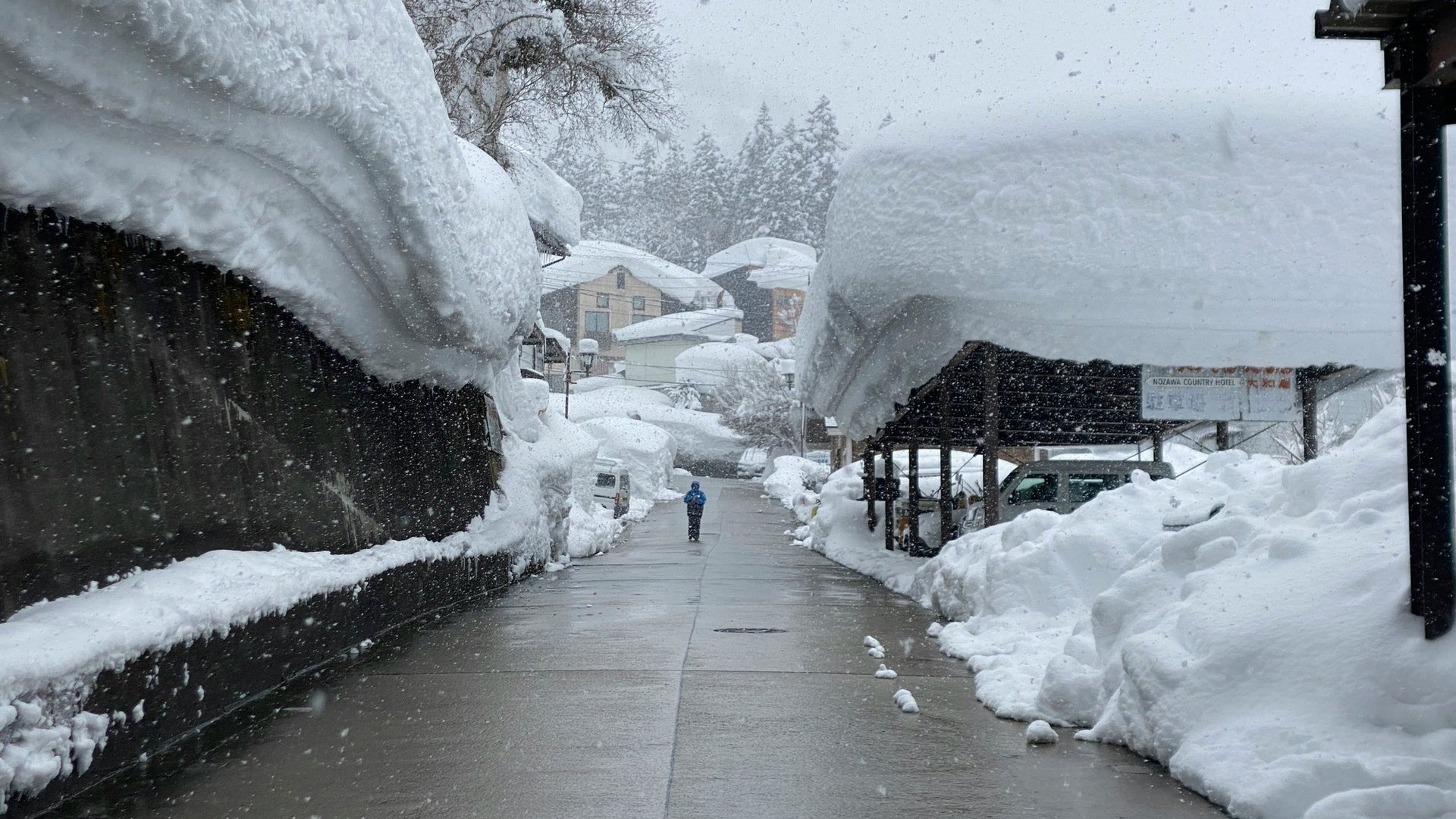
Nozawa has soul in a way that is hard to fake. You ski, shuffle through snowy streets in boots, duck into a bathhouse, wander past little shops and old inns, then somehow end up eating well without ever feeling like you are trapped inside a resort bubble. It feels textured and a bit messy in the best possible way.
Furano is neater and more composed. The mountain is the main event, the resort layout is easier to read, and the whole trip can feel more efficient from breakfast to last chair. It is not as romantically Japanese as Nozawa, but for plenty of travellers that is exactly why it works so well.
Snow and weather
Estimated cumulative fresh snowfall at major on-mountain ski areas; actual totals vary substantially by resort, elevation, measurement location, and season.
Furano’s big calling card is snow quality. Being inland in Hokkaido helps it produce that cold, dry, silky snow people bang on about for good reason, and it often gets clearer weather than some of the stormier Honshu resorts. When it is on, it feels crisp, fast, and very addictive.
Nozawa is more of a storm-cycle romance. The snow can be generous and the village looks unreal during a proper dump, but the weather can feel moodier and a bit more full-send. Great for atmosphere, great for midwinter stoke, slightly less great if you want every day to be a sunny postcard.
Where you stay
In Nozawa, staying in the village is part of the experience rather than just where you put your bag. You have traditional inns, smaller lodges, bathhouses scattered through town, and a layout that encourages walking around and bumping into the place rather than hiding from it. Check our Nozawa Onsen Accommodation Guide for suggestions.
Furano is more split between practical resort stays and modern apartments or hotels. That makes it a strong option for families, couples wanting a smoother trip, or anyone who likes the idea of clean ski-day convenience over old-village character.
For the other half of the matchup, see where to stay in Furano.
Terrain and tree skiing
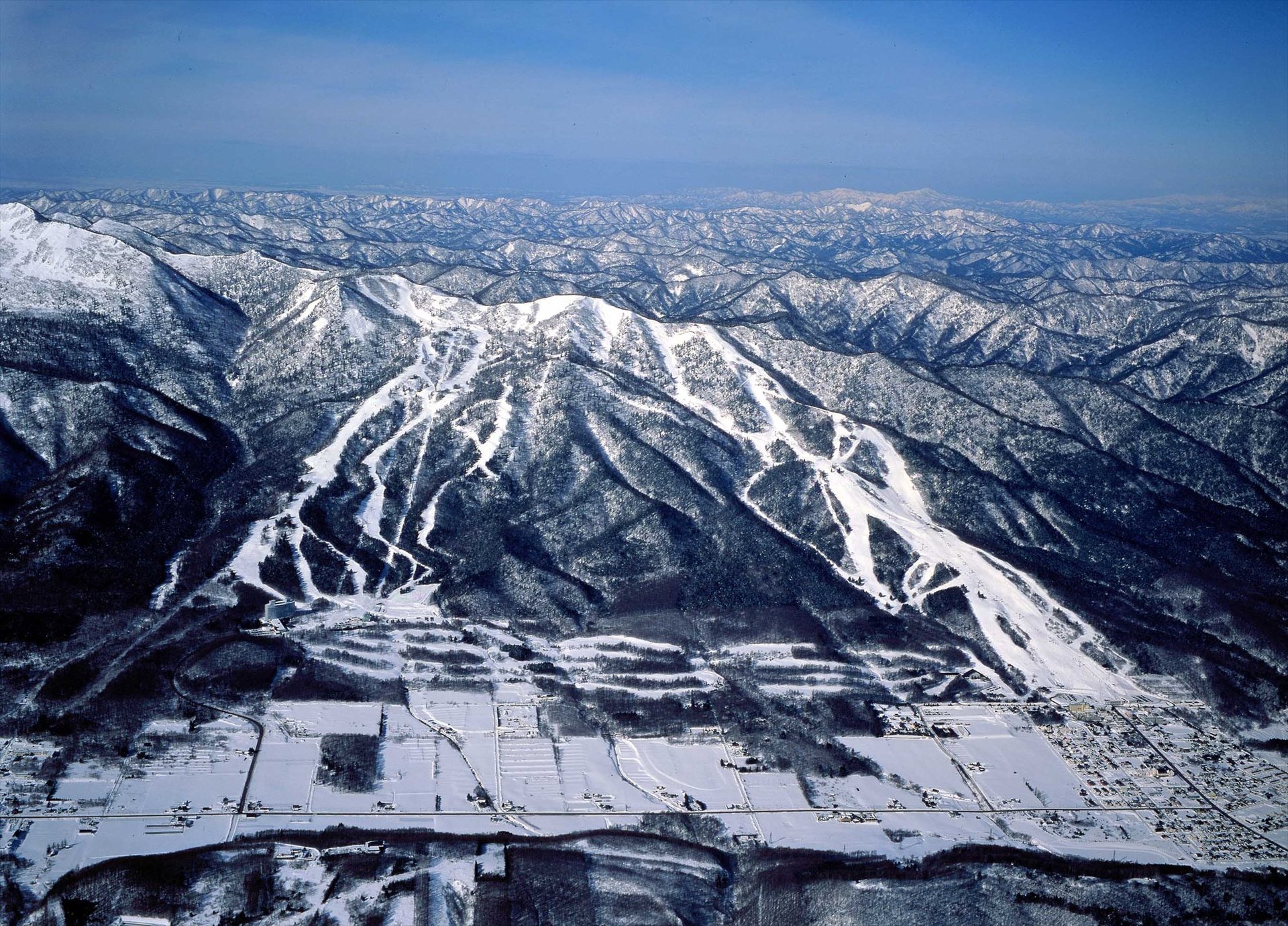
Furano wins this section for stronger skiers and riders. The two connected zones, proper vertical, steeper groomers, ungroomed runs, and race-hill pedigree give it a more serious ski feel. It is one of those places where even a standard groomer lap can feel a bit more grown-up.
Nozawa is still very fun, just less punchy. It is better for playful resort days, mixed-ability groups, and people who like variety without needing every lap to feel like a leg-burner. There is enough there to keep good skiers interested, but the mountain experience is broader and looser rather than all-out.
Crowds and lift flow
Nozawa can feel busier, partly because the village is compact and partly because so much of the trip funnels through the same social rhythm. That does not ruin it, but it does mean the place can feel more bustling, especially when the snow is good and everyone has had the same bright idea.
Furano usually feels a bit more orderly on snow. The resort layout is simpler to understand, the mountain spreads people a little better, and the overall flow tends to suit travellers who like their ski days to feel smooth rather than slightly chaotic.
Cost and value
Nozawa generally feels friendlier for travellers who want charm without turning the trip into a premium-resort exercise. There is more of that traditional village range in the stay options, and the town itself gives you plenty to enjoy beyond just paying for convenience.
Furano can still be good value, especially if you care about comfort, convenience, or travelling with family. But it leans a bit more toward polished resort spending, so it often feels like better value for ease rather than better value for atmosphere.
Food and nightlife
Nozawa wins for après without needing a flashy après scene. It is more about izakaya dinners, wandering the village, stumbling into a bath before or after food, and feeling like the evening is part of the adventure rather than just recovery time. It has much more personality once the lifts stop spinning.
Furano is better described as quietly pleasant after dark. You can eat well, settle in comfortably, and have a tidy night out, but it is not the kind of place that throws itself at you once the skiing is done. That is not a flaw, just a different flavour.
Logistics
Nozawa is easier to love for shorter trips. The train-and-bus access via Iiyama is straightforward, and it fits neatly into a Tokyo-first itinerary without making you feel like half the holiday disappeared into transfers.
Furano is more natural when the whole trip is already Hokkaido-shaped. Access via Asahikawa works well, and there are bus and road links into town, but it is more of a dedicated ski move than a quick add-on. Great when planned that way, less ideal for a fast in-and-out.
The X-factor
Steam-town soul vs cold-smoke precision
Nozawa’s secret weapon is the ritual. Ski, snack, soak, wander, repeat. The 13 public baths are not just a cute cultural extra; they shape the whole rhythm of the place, and they make even an average ski day feel like a very good Japan day.
Furano’s superpower is how cleanly it delivers ski quality. The mountain layout, the colder inland snow, the stronger sense of vertical, and the generally more efficient day-to-day flow make it the better choice for people who want the skiing itself to stay front and centre.
The tiebreaker
Pick Nozawa Onsen if you want your trip to feel unmistakably Japanese, with a proper village atmosphere and hot spring ritual built into every day.
Pick Furano if you want colder snow, stronger ski-day flow, and a more polished resort setup that keeps the mountain front and centre.
FAQ
Is Nozawa Onsen or Furano better for families?
For younger families, Furano is the safer pick because the resort layout is simpler and the beginner setup is easier to manage. Nozawa can still work well, but it suits families who like a village holiday as much as a ski holiday.
Which resort is better for powder?
Furano gets the nod for snow quality thanks to its inland Hokkaido climate and famously dry feel. Nozawa is still excellent in a good storm cycle, but Furano is the more reliable answer if cold-smoke powder is the goal.
Which one feels more Japanese?
Nozawa, comfortably. The village history, the public bathhouse culture, and the traditional hot spring identity make it feel far more culturally immersive than a more conventional resort-style stay.
Which resort is better for advanced skiers?
Furano is the better pick for stronger skiers who want steeper pistes, stronger fall lines, and a bit more bite to the mountain. Nozawa is still fun for advanced riders, but its strength is the overall experience rather than pure ski muscle.
Which one is easier to get to?
Nozawa is easier if Tokyo is on the itinerary, thanks to the straightforward train-and-bus combo via Iiyama. Furano is easier when you are already committing to Hokkaido and flying into that side of Japan.
When should you go?
Midwinter is the sweet spot for both. Nozawa is brilliant when the storms are rolling through and the village is fully in snow-globe mode, while Furano shines when the cold settles in and the snow stays light and dry.