

Niseko vs Furano
Big-Name Japow or Hokkaido’s Dry-Snow Sleeper?

Choosing between Niseko and Furano is a bit like choosing between the biggest pub in town and the one your well-travelled mate quietly swears is better. Niseko is the famous one. Big resort system, big dining scene, big international energy, and enough buzz that half the chairlift already knows where you are staying.
Furano is the calmer operator. It is still a serious Hokkaido resort, but it plugs into a real Japanese city, gets properly cold inland snow, and does not feel like it is performing for an international ski crowd every waking minute. You get more local flavour, less theatre, and a trip that often feels more grounded from the moment you arrive.
Both can absolutely deliver the goods. But they are good in different ways.
The quick verdicts
- First-timers to Japan: Niseko. Bigger English-speaking ecosystem, broad ski school choice, and more accommodation spread make it the easier soft landing.
- Family with young kids: Furano. A more compact setup, children’s lesson options, beginner areas, and less day-to-day chaos make family logistics easier.
- Family with older kids or teens: Niseko. More terrain variety, more non-ski options, and proper night skiing keep the trip interesting once the novelty of hot chocolate wears off.
- Mates trip: Niseko. More bars, more restaurants, more après energy, and the sort of night skiing that can turn one more lap into a whole evening.
- Budget trip: Furano. The regular 1-day pass is cheaper, and the mix of city stays and local dining usually makes the whole trip easier on the wallet.
- Luxe trip: Niseko. It has a much deeper bench of premium accommodation and high-end dining across Hirafu, Hanazono, and Niseko Village.
- Powder reliability: Niseko. Slight edge for sheer storm reputation and deeper total snowfall.
- Big mountain terrain and variety: Niseko. Four linked resorts on one mountain is a big card to throw on the table.
- Culture and Japan-ness: Furano. It is attached to a real Hokkaido city, not just a resort village with excellent espresso.
- Short trip and easy logistics: Furano. Flying into Asahikawa and being on the ground fast is a very tidy setup.
The Resorts
Explore each full review for a deeper look at what each resort has to offer.
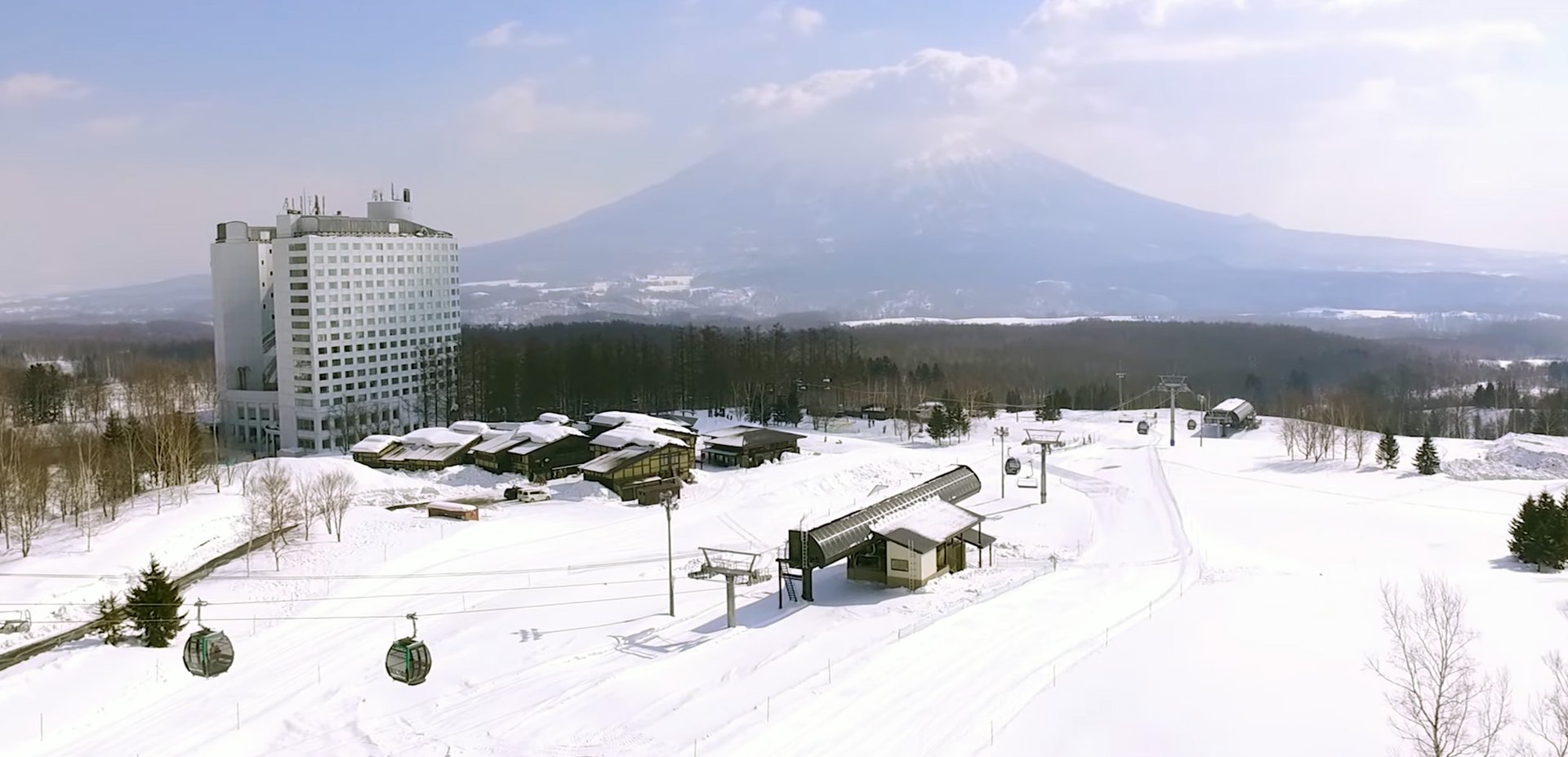
Niseko Village
Powder, Pines, and the Mizuno no Sawa Myth
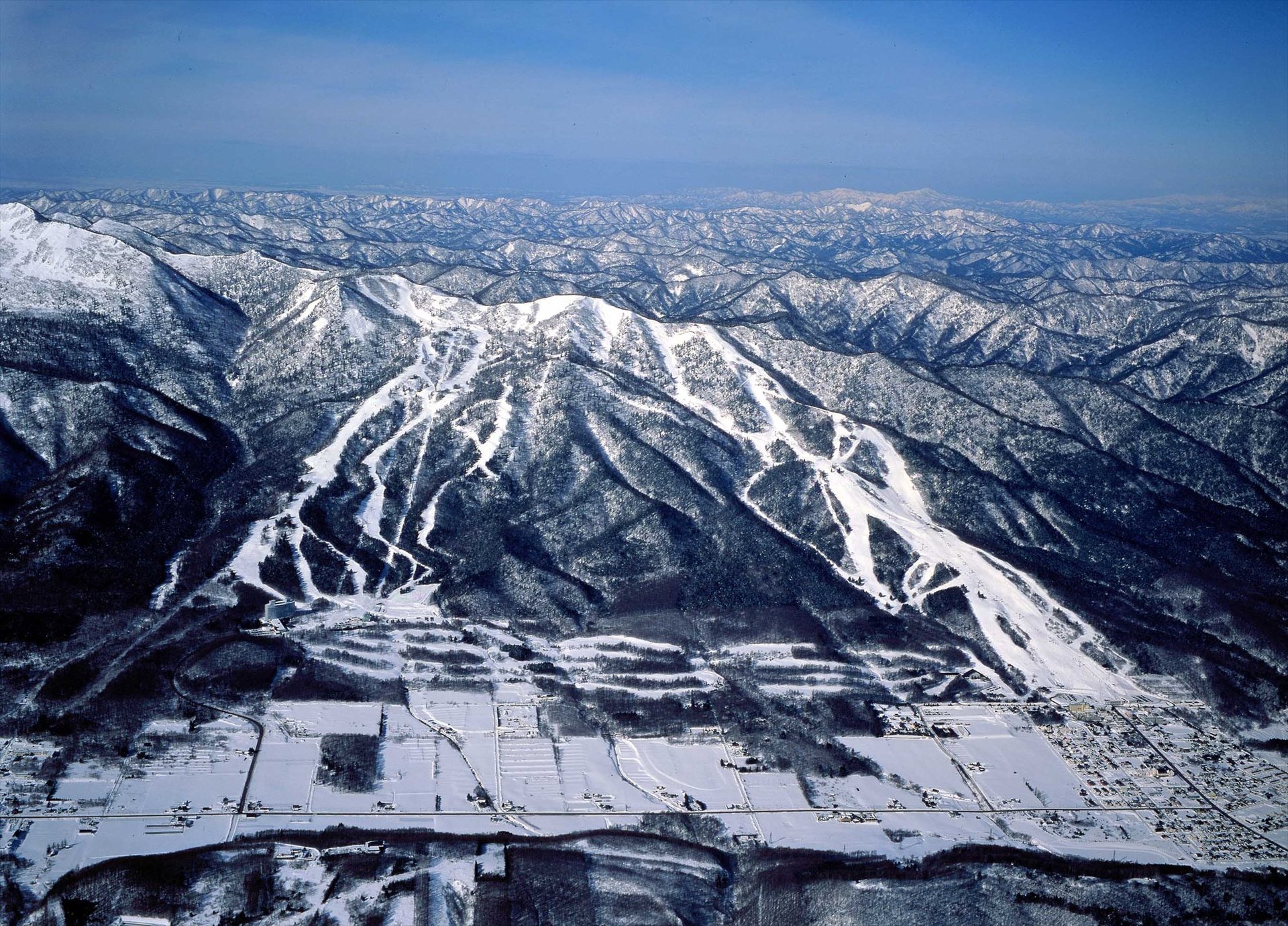
Furano
Quiet Pow, Deep Roots, and Big Views
Resort Comparison
Vibe check
Niseko feels like Japan’s best-known international powder machine because, well, that is what it is. Four resorts share the same mountain, Hirafu is packed with hotels, condos, shops, restaurants and bars, and the whole place has the hum of a destination that knows people have flown a long way to be there. It is slick, easy to navigate as an overseas visitor, and rarely lacking in somewhere to eat or something to do.
Furano feels more local and more understated. The resort sits beside an actual city rather than a giant resort bubble, and that changes the whole tone of the trip. It is still foreigner-friendly, with English lessons and solid tourism infrastructure, but the day-to-day feel is more Japanese ski town than international powder circus. That is not a knock on Niseko. It is just a very different flavour of holiday.
If you want a trip with more scene, more movement, and more social energy, Niseko wins. If you want something that feels a bit more grounded, a bit less shiny, and a bit more Hokkaido on the ground, Furano is the better vibe.
Snow and weather
Estimated cumulative fresh snowfall at major on-mountain ski areas; actual totals vary substantially by resort, elevation, measurement location, and season.
Niseko gets its reputation from proper volume. Official Niseko material says the mountain gets its snow from seasonal winds crossing the Sea of Japan, delivering some of the driest, lightest powder in the world, and the resort’s storm-chasing reputation is very much built on that reload pattern. If your idea of romance is waking up to another deep overnight top-up, Niseko speaks your language.
Furano’s snow story is a bit different, and it is one of the most important differences in this pairing. Furano tourism describes the resort as getting an average eight metres of very light powder, helped by its inland climate and temperatures that can drop to around minus 28C. In practice, that often means drier snow, colder mornings, better visibility than stormier coastal zones, and that lovely squeaky kind of cold where your face knows it is in Hokkaido.
So who wins? If you want the classic headline Japow storm cycle, Niseko still gets the nod. If you love cold, dry inland snow and are happy trading some total volume for cleaner visibility and race-track crisp mornings, Furano makes a very persuasive case.
Resort bubble or real town
This is where the two resorts stop feeling even remotely interchangeable. Niseko gives you multiple bases and multiple personalities. Hirafu is the big one, with the main dining and nightlife hub, while Hanazono, Niseko Village and Annupuri each have their own accommodation and slope-side feel. That gives you choice, but it also means the trip can feel a little spread out unless you book very deliberately.
Furano gives you two ski zones, Furano and Kitanomine, plus a proper city centre just 10 minutes from the ski area. That is a very different rhythm. You can stay slope-side, but you can also dip into a real town for dinner, sake, karaoke, and cheaper stays without feeling like you have left the ski universe entirely.
That real-town factor is a big reason Furano feels more Japanese on the ground. Niseko is more polished and broader in range. Furano feels more lived-in. Depending on your tastes, one of those is going to sound much more appealing than the other.
Ready to book? Our guides to where to stay in Niseko and where to stay in Furano break down every base area.
Terrain and tree skiing
Niseko wins on scale and variety. Four resorts on one mountain means more ways to shape a ski day, more terrain personality, and more scope to change tack when weather, crowds, or tired legs start dictating terms. Grand Hirafu is the biggest of the four, Hanazono adds excellent tree-run appeal and a modern feel, and the whole network simply gives stronger week-long range than Furano.
Furano is smaller, but it is not one-note. Officially it has two connected zones, 28 trails, beginner areas, ungroomed powder runs, and steep cruisers that have been used for FIS World Cup races. That last part matters. Furano has a bit more racehill DNA in its skiing than Niseko, and the resort has a great mix of clean groomers, steeper fall-line pitches, and side-hit energy when the snow is on.
For tree skiing and freeride style, Niseko is the broader playground. For skiers and riders who also appreciate a proper pitch, quality groomers, and a bit of edge to the on-piste terrain, Furano can be ridiculously satisfying. It feels a little more old-school in a good way.
Crowds and lift flow
Niseko’s popularity is both one of its strengths and one of its trade-offs. It has the biggest profile, the biggest village scene, and the biggest share of overseas demand, so powder mornings can feel like powder mornings at a famous resort. You can still have an all-time day, but you are more likely to need a plan and a little bit of lift-line awareness.
Furano generally feels calmer. It is hardly secret, and it is increasingly well known internationally, but it still does not carry the same crowd intensity as Niseko. The day often starts with less fuss, less rush, and less sense that the entire mountain has simultaneously decided the exact same first move.
If crowded powder zones drain your soul, Furano is the safer pick. If you are willing to accept more traffic in exchange for a bigger resort and more total choice, Niseko still absolutely works. You just want to go in with eyes open and coffee already consumed.
Cost and value
This is one of the clearest wins in the whole comparison. Niseko’s regular-season 1-day adult pass is currently ¥12,000. Furano’s regular-season 1-day adult pass is ¥8,000. That is not a tiny gap. That is real money, especially once you multiply it across a week or a family.
Then there is the rest of the trip. Niseko has a huge accommodation spread, which does help, but it is also the more internationally priced resort, especially around Hirafu and the premium end of the market. Furano’s mix of ski-in ski-out hotels, guesthouses, and city accommodation, plus its easier access to local food options, usually makes it the stronger value play overall. That second part is an inference from the tourism and resort information, but it is a pretty grounded one.
So the budget verdict goes to Furano without much argument. Niseko can still be worth the spend if you want the bigger destination experience. But if value matters, Furano is sitting there with a very smug expression.
Food and nightlife
Niseko wins this one and does not need much help doing it. Grand Hirafu is officially described as the main restaurant and dining hub in the area, full of restaurants and bars, and Niseko Village and Hanazono have pushed hard into quality food and après as well. If food variety and a lively night scene matter, Niseko is playing a different game.
Furano is quieter, but not dead. Tourism material points out that the city centre is about 10 minutes from the ski area and easy for Japanese cuisine, sake, and karaoke, and local listings include sports bars and music bars around Kitanomine and town. So you can absolutely have a fun evening here. It is just more local, more low-key, and less polished-resort party town than Niseko.
If your evenings matter almost as much as your ski days, Niseko is the obvious winner. If you are happy with a good izakaya, a drink, maybe a bit of karaoke, and an earlier night before another cold morning, Furano is more than enough.
Logistics
For Aussies and Kiwis, both are basically fly-to-Hokkaido trips, not easy little shinkansen add-ons from Tokyo. But one is definitely tidier. Niseko’s official airport bus timetable currently puts New Chitose Airport to Hirafu at about 3 hours 33 minutes, with Annupuri a bit earlier along the route. It is straightforward, but it is not exactly a quick pop up the road.
Furano has the better short-trip setup. Official Furano tourism access info lists Asahikawa Airport at about 1 hour away and New Chitose at about 2 hours 10 minutes. That makes Furano a much cleaner option if you want to minimise transfer pain, and it is one of the better Hokkaido choices for a shorter domestic flight connection.
So if you have a full week and want the big-name experience, Niseko is easy enough. If you only have four or five nights and hate wasting half a day on airport logistics, Furano starts looking very clever very quickly.
The X-factor: storm circus vs cold-smoke ski town
Niseko’s superpower is obvious. It is the place where the storm hype, the village energy, the night laps, and the giant international Japow reputation all pile into one trip. You can ski all day, ski under lights across all four resorts, then step straight into dinner or a bar. That sense of momentum is hard to beat if you want the full destination experience.
Furano’s superpower is subtler and, for some people, better. It is the colder inland snow, the city-next-door feel, the ropeway-to-racehill character, and the fact that the trip can feel more Japanese without being hard work. Furano also leans into first-track experiences and still carries proper World Cup heritage, which adds a slightly different flavour to the skiing than the classic Niseko tree-pow dream.
This is why the choice matters. Niseko is not just bigger Furano. Furano is not just cheaper Niseko. They scratch different itches.
The tiebreaker
Pick Niseko if you want the bigger, busier, more social Hokkaido trip with more terrain variety, stronger nightlife, and the full international powder-destination experience.
Pick Furano if you want a more grounded ski town, better value, easier logistics, colder inland snow, and a trip that feels a bit more Japanese without giving up serious terrain.
FAQ
Is Niseko or Furano better for first-timers to Japan?
Niseko is usually the easier first pick. The English-speaking support, broad ski school options, and big accommodation ecosystem make it a smoother first Japan ski trip. Furano is still very accessible, but it feels a little less plug-and-play.
Which resort has better powder, Niseko or Furano?
Niseko gets the edge for sheer storm reputation and overall snowfall volume. Furano fights back with colder inland conditions and very dry snow, so some skiers and riders love the texture there just as much, especially when visibility stays better.
Is Furano cheaper than Niseko?
Usually, yes. Furano’s regular 1-day lift pass is ¥8,000 compared with Niseko’s ¥12,000, and the town-based dining and accommodation mix often helps keep the wider trip more affordable too.
Which resort feels more Japanese?
Furano, comfortably. The resort connects to a real Hokkaido city with local restaurants, sake, karaoke, and everyday town life, while Niseko feels more like an international ski destination with several base areas and a much bigger foreign visitor bubble.
Which is better for families?
For younger kids, Furano often wins because the whole trip is simpler and less hectic, and it has dedicated children’s lesson options. For older kids and teens, Niseko’s bigger terrain spread and stronger mix of skiing and evening activity can be more exciting.
Which is easier to get to?
Furano is usually easier, especially if you can fly into Asahikawa. Official access info puts Asahikawa Airport at about 1 hour from Furano, while Niseko’s direct airport bus to Hirafu is about 3 hours 33 minutes from New Chitose.
When should you go to Niseko or Furano?
January and February are the classic deep-winter months for both. Niseko suits storm-chasers beautifully in that window, while Furano is especially appealing if you like very cold, dry inland conditions and do not mind properly brisk mornings.