

Kiroro vs Zao Onsen
Powder Panic Button or Snow Monster Fairytale?
Kiroro and Zao Onsen are both very Japanese ski trips, but they land in completely different parts of your holiday brain. Kiroro is the one you book when you want storm snow, smooth resort convenience, and a strong chance of spending the week scheming about your next tree lap. Zao Onsen is the one you book when you want skiing wrapped around an old-school hot spring town, a bit of beautiful chaos, and one of the strangest winter landscapes in Japan.
If Kiroro feels like a powder-focused resort bubble in Hokkaido, Zao feels like a proper mountain town with steam rising off rooftops and sulfur in the air. One leans polished and purpose-built. The other wins on character before you have even clipped into your bindings.
The quick verdicts
- First-timers to Japan: Zao Onsen. You get skiing, real onsen-town atmosphere, and a stronger sense that you are in Japan rather than just at a ski resort.
- Family with young kids: Kiroro. The resort layout is simpler, the stay options are more contained, and the logistics are easier to keep tidy.
- Family with older kids or teens: Kiroro. Better if the crew wants to ski hard, chase fresh snow, and not spend half the day traversing the mountain plan.
- Mates trip: Kiroro. If your crew measures holiday quality in powder turns first and everything else second, Kiroro is the cleaner play.
- Budget trip: Zao Onsen. It usually feels less like you are paying the premium Hokkaido resort tax at every turn.
- Luxe trip: Kiroro. Club Med, ski-in ski-out convenience, and a more polished resort stay give it the nod.
- Powder reliability: Kiroro. This is the heavyweight category, and Kiroro is one of Japan’s safer bets when the mission is deep, dry snow.
- Big mountain terrain and variety: Zao Onsen. It spreads wider, feels more like a mountain network, and gives you more room to roam.
- Culture and Japan-ness: Zao Onsen. Hot spring town wins over modern resort enclave almost every time.
- Short trip and easy logistics: Kiroro. Getting in from the Sapporo side is generally smoother than stitching together the Zao transfer chain.
The Resorts
Explore each full review for a deeper look at what each resort has to offer.
Vibe check
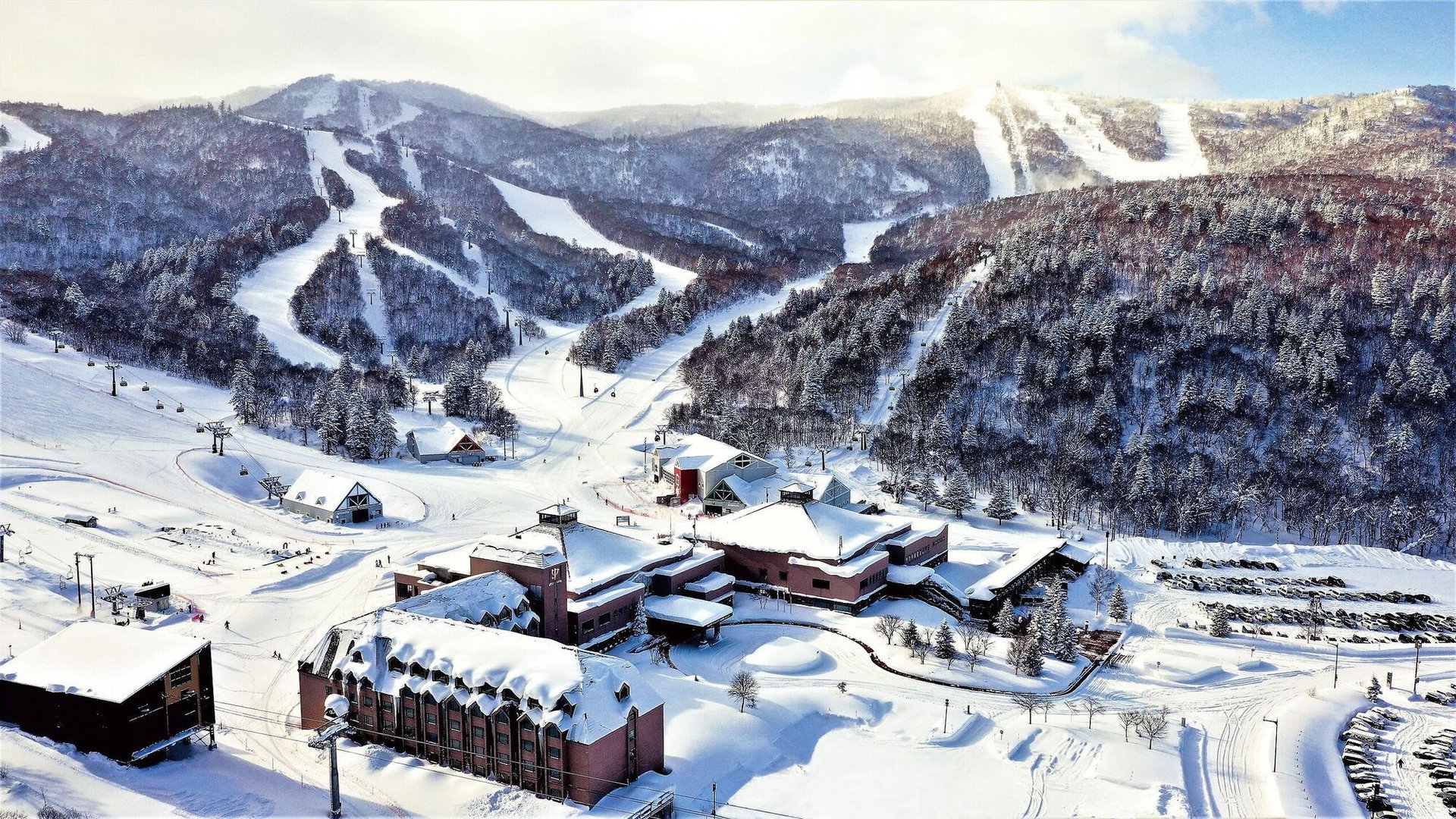
Kiroro feels clean, compact, and a bit insulated from the outside world. You stay in or near the resort, you wake up thinking about snow totals, and the whole place is set up to get you from breakfast to lift line with minimum fuss. It is not trying to be a soulful village. It is trying to make your ski trip run smoothly.
Zao Onsen is messier in the best way. It has that proper hot spring town texture: narrow streets, old inns, steam vents, little restaurants, and the feeling that the ski hill and the town grew into each other rather than being master-planned on a clean sheet. If you like a bit of mood and mountain-town weirdness, Zao has far more of it.
Snow and weather
Estimated cumulative fresh snowfall at major on-mountain ski areas; actual totals vary substantially by resort, elevation, measurement location, and season.
Kiroro’s whole reputation is built on snow volume and snow quality, and fair enough too. This is Hokkaido storm country, and Kiroro has a habit of delivering exactly the kind of dry, soft refresh that makes people start using words like all-time by 10 in the morning. When the weather turns nasty, that is often when Kiroro starts looking even better.
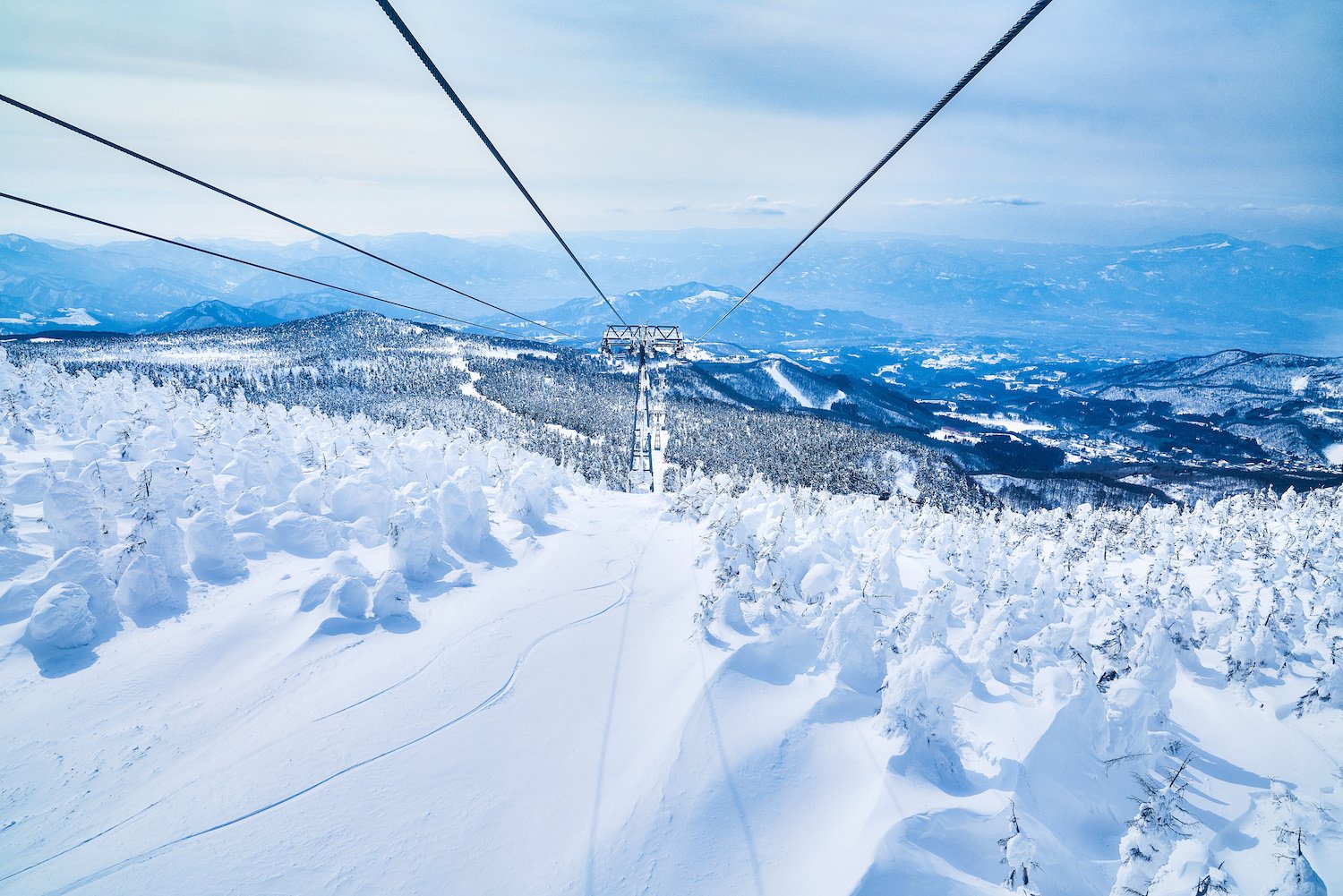
Zao Onsen gets good snow, but the weather story here is bigger than just totals. The upper mountain can be wild, visibility can get moody, and the famous juhyo snow monsters turn the mountain into a frozen alien forest. It is stunning, but it can also mean colder, windier, more dramatic days than the brochure version of a casual ski holiday suggests.
Where you stay
At Kiroro, staying slopeside is part of the appeal. The accommodation picture is resort-style: modern, convenient, and built around making skiing easy. Good for couples, families, and groups who want a tidy operation and do not care if the nightlife outside the hotel zone is a bit thin.
At Zao Onsen, where you stay is part of the experience. Ryokan, small inns, older hotels, and onsen-focused stays give the trip far more flavour. The trade-off is that not every property feels sleek, and some of the town involves uphill trudges, shuttle thinking, or a bit more effort than a pure ski-in ski-out crowd may want.
Terrain and tree skiing
Kiroro is the better choice for the skier or rider who wants to spend the trip hunting soft snow and ducking into glades whenever the opportunity appears. The resort spans Asari and Nagamine, has 23 courses, and is well known for powder-oriented skiing rather than just piste mileage. It is not the biggest trail map in Japan, but it punches above its size for the kind of terrain most powder chasers care about.
Zao’s terrain is broader and more old-school networked. It is one of Tohoku’s larger mountain resorts, with long cruising lines, different zones, and a more exploratory feel across the mountain. But if your dream day is face shots in trees rather than chalking up kilometres, Kiroro is usually the one that feels more dialled-in for that mission.
Crowds and lift flow
Kiroro usually wins this category because the mission is clearer and the movement is simpler. You are dealing with a contained resort and a setup that feels built for efficient skiing. On a powder day, everyone knows why they are there, but the mountain still tends to feel more straightforward to navigate than a sprawling old village-linked setup.
Zao can feel more fragmented. Different sectors, ropeways, connecting lifts, and weather impacts mean the day can get a little fiddly if you are trying to maximise vertical or chase specific zones. Some people love that rambling feel. Others start muttering by late morning because the mountain has turned into a logistics side quest.
Cost and value
Kiroro is not shy about being a premium Hokkaido resort. Between slopeside accommodation and the general feel of the place, it can become a fairly luxurious trip even when you were pretending to yourself it would be a sensible one. The value is there if what you care about most is snow quality and convenience. If you are price-sensitive, you will notice the difference.
Zao Onsen usually feels more forgiving. Not necessarily dirt cheap, but more flexible. You have more traditional accommodation styles, more town-based choices, and less of that polished-resort markup energy. For travellers who want a fuller Japan experience without leaning hard into the luxury lane, Zao often looks better on the balance sheet.
Food and nightlife
Kiroro is comfortable rather than electric. You will eat well enough, especially if you are staying in the main resort properties, but nobody flies there for a buzzing village strip or a long list of late-night decisions. It is more dinner, a drink, maybe a quiet regroup, then straight back to plotting tomorrow’s storm skiing.
Zao Onsen has more texture after lifts close. Small eateries, local flavour, bathhouses, and the simple pleasure of wandering a proper town in the cold give the evenings more personality. It is still not some wild party resort, but it has a lot more soul than Kiroro once the skis are off.
Logistics
Kiroro’s big win is that it fits neatly into the broader Hokkaido travel machine. It is reachable from the Sapporo side and works well for people who want their arrival day to feel like a transfer, not an expedition. For Aussies doing a shorter trip, that matters more than people sometimes admit.
Zao Onsen asks a bit more from you. The access is very doable, but it usually involves more stitching together: getting yourself to Yamagata, then on to the resort by bus. That is fine if you want the reward at the end of it, but it is not the one I would choose for a no-fuss long weekend.
The X-factor
Snow monsters vs storm-proof powder confidence
Zao Onsen has one of Japan’s genuine winter spectacles. The juhyo snow monsters are not just a side attraction. They shape the atmosphere of the place and make the upper mountain feel like nowhere else in the country. If part of your trip is about seeing something iconic and a little surreal, Zao has a card Kiroro cannot match.
Kiroro’s X-factor is simpler but brutally effective: confidence. Confidence that if the forecast is firing, the snow will be worth the trip. Confidence that the resort setup will not get in your way too much. Confidence that your holiday can basically become a powder-eating routine with very little fluff around the edges. For a lot of skiers and riders, that is not boring. That is ideal.
The tiebreaker
Pick Kiroro if you want the stronger powder bet, easier resort flow, and a cleaner, more premium ski-focused holiday.
Pick Zao Onsen if you want the more memorable Japan experience, proper onsen-town character, and a mountain that feels stranger, older, and far more atmospheric.
FAQ
Is Kiroro or Zao Onsen better for powder?
Kiroro is the better powder pick for most people. Its reputation is built on deep Hokkaido snow and a ski experience that leans hard into soft-snow laps.
Is Zao Onsen better for culture and onsen?
Yes. Zao Onsen gives you a real hot spring town wrapped around the ski trip, which makes the whole holiday feel more distinctly Japanese once the lifts stop spinning.
Which is better for families?
Kiroro is easier for families who want convenience and less day-to-day friction. Zao can still work well, especially for families who like character, but it usually asks for a bit more organisation.
Which is better for advanced skiers and snowboarders?
Kiroro usually gets the nod if advanced means powder, trees, and storm-day excitement. Zao is better if advanced means covering ground, exploring a bigger mountain network, and mixing skiing with the full town experience.
Which resort is better for beginners?
Zao Onsen can be a more rounded first Japan trip because the town experience adds so much beyond the skiing. Kiroro is still beginner-friendly in a resort sense, but it tends to appeal more strongly to people already sold on the snow side of the equation.
Which is easier to reach from Australia for a shorter trip?
Kiroro is generally the easier short-trip play because it plugs into the Sapporo side of Hokkaido more neatly. Zao Onsen is absolutely reachable, but usually with more transfer moving parts.
When should you choose Zao Onsen over Kiroro?
Choose Zao when you want the trip to be about more than just chasing snow totals. If steam-filled streets, hot spring sessions, and the snow monster landscape sound as important as the skiing, Zao is the more memorable package.