

Hakuba vs Furano
Valley-Hopping Chaos or Hokkaido Clean Lines?
Hakuba and Furano are both very good at making you look smart when you book them. That is where the similarity ends. Hakuba is the big, sprawling Northern Alps operator with Olympic DNA, multiple villages, and enough resort-hopping to make every morning feel like a fresh plan. Furano is tidier, calmer, and more composed: two zones, one mountain rhythm, a proper Hokkaido town nearby, and that dry inland snow quality people get weirdly emotional about.
If Hakuba is the trip for people who like options, Furano is the trip for people who like things clicking into place. One is bigger, busier, and more dramatic. The other is smoother, more efficient, and usually easier to live with day to day. Neither is the wrong call. But they are definitely not the same holiday in different jackets.
The quick verdicts
- First-timers to Japan: Furano. Smaller scale, one-pass simplicity, and a cleaner resort-to-town setup make it easier to settle in fast.
- Family with young kids: Furano. Kids care, beginner-friendly zoning, and a more compact daily routine mean less faff and fewer meltdowns.
- Family with older kids or teens: Hakuba. More resorts, more variety, more side quests, and more chance of everyone finding their lane.
- Mates trip: Hakuba. Bigger dining and bar spread, more terrain debates, and enough resort choice to keep the crew entertained for days.
- Budget trip: Furano. Still not dirt cheap, but it generally feels less inflated and less chaotic to organise than Hakuba’s premium pockets. This is an inference based on Furano’s more compact setup and Hakuba’s larger, more international accommodation scene.
- Luxe trip: Hakuba. More polished upper-end stay options, more dining range, and more ways to spend money with style.
- Powder reliability: Furano. Central Hokkaido cold and light, dry snow give it the edge for consistency.
- Big mountain terrain and variety: Hakuba. Ten resorts across one valley is hard to argue with.
- Culture and Japan-ness: Furano. It feels more like you are staying in a Japanese town that happens to have a ski hill attached.
- Short trip and easy logistics: Hakuba. From Tokyo, the shinkansen-plus-bus route is seriously handy.
The Resorts
Explore each full review for a deeper look at what each resort has to offer.
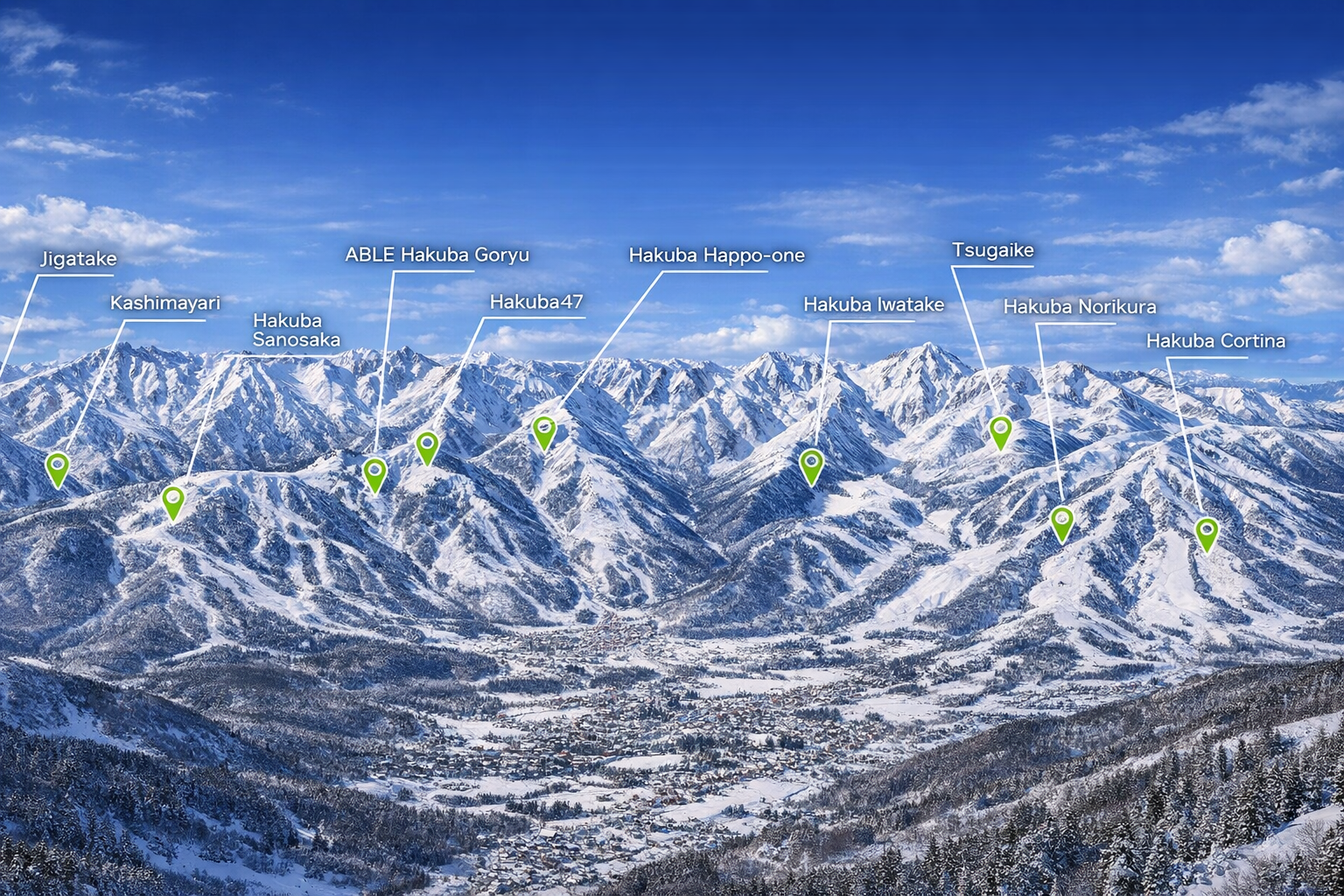
Hakuba Valley
Hakuba Valley: Japan’s alpine playground with ten different personalities
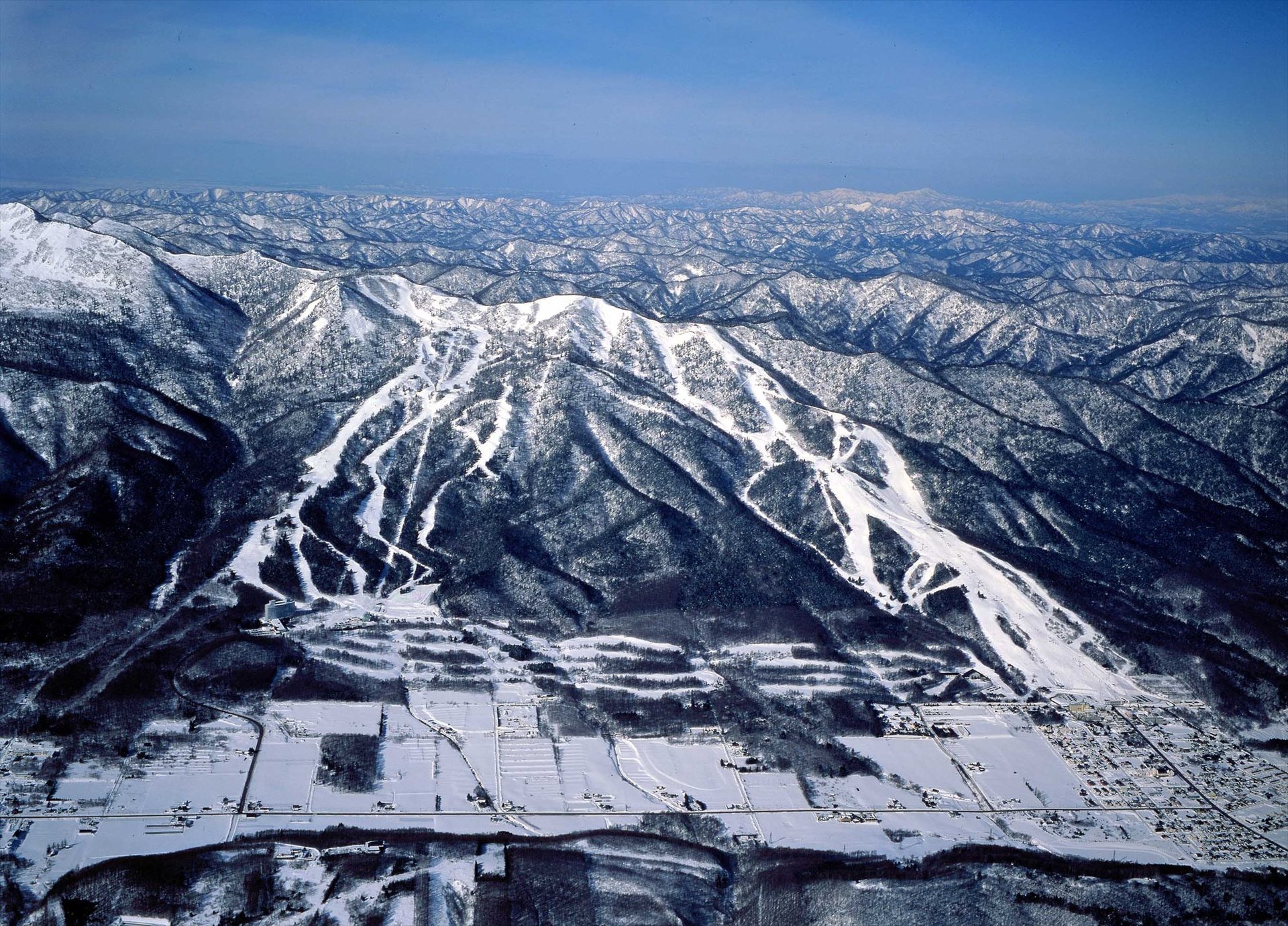
Furano
Quiet Pow, Deep Roots, and Big Views
Resort Comparison
Vibe check
Hakuba feels like a whole ski region, not one resort. You have multiple base areas, different resort personalities, more international traffic, more transfer decisions, and more of that classic what-are-we-riding-today energy. On a good trip, that feels exciting. On a tired trip, it can feel like you accidentally signed up to coordinate a small expedition.
Furano feels more locked in. The mountain is split into the Kitanomine and Furano zones, the town is close, and the rhythm is easier to learn quickly. You spend less time decoding the valley and more time skiing, eating, and getting on with it. That cleaner flow is a big part of Furano’s charm.
Snow and weather
Estimated cumulative fresh snowfall at major on-mountain ski areas; actual totals vary substantially by resort, elevation, measurement location, and season.
Hakuba gets proper storms and has serious mountain presence, but it is also a little more weather-exposed in the way big alpine terrain often is. The reward is drama, scale, and that huge Northern Alps backdrop. The trade-off is that conditions can feel more varied across the valley, and your best call sometimes depends on picking the right resort for the day.
Furano’s advantage is not chest-beating snowfall totals. It is snow quality and consistency. Official tourism sources describe some of Hokkaido’s lightest, driest powder, with roughly eight to nine metres a season, and that inland cold helps keep the surface quality very nice when other places can get chopped or damp. If you are the kind of rider who notices snow texture by the second turn, Furano gets your attention quickly.
Where you stay
Hakuba gives you range. You can base in busier pockets, quieter pockets, more traditional spots, or more international-feeling zones, and that flexibility is one of its biggest strengths. It also means booking choices matter a lot, because a great Hakuba trip and an annoying Hakuba trip can come down to whether you chose the right village for your priorities.
Furano is easier to explain. Stay near Kitanomine if you want a lively slope-adjacent base, near the Furano side if you like the Prince hotel setup, or in town if you want more everyday Japan around you. The resort zones and town are close enough that the whole thing feels connected rather than scattered.
Terrain and tree skiing
Hakuba wins on sheer menu size. The valley’s 10 resorts, long cruisers, and broad range of pitches mean you can go from mellow laps to steeper, more committing terrain depending on weather, legs, and appetite. This is the place for people who like opening the trail map and feeling a little greedy.
Furano is not as broad, but it is sharper than people expect. Official sources highlight ungroomed powder runs, steep cruisers, World Cup history, and a very balanced spread for different ability levels. It is especially good for intermediates who want better skiing without getting overwhelmed, and for strong skiers who enjoy quality fall-line laps over endless map acreage.
Crowds and lift flow
Hakuba’s blessing is choice, and its curse is that everyone else has noticed. The valley attracts huge international visitation, and the headline resorts and hot zones can feel busy, especially when everybody has the same storm-day idea. The shuttle system helps, but Hakuba still rewards people who are willing to think one step ahead.
Furano is the cleaner operator here. JNTO literally pitches it as being away from the crowds, and local official material leans into the idea that on deep mornings you are not fighting a giant lift queue circus. It is not empty, and it is certainly well known now, but it generally skis calmer than Hakuba.
Cost and value
Hakuba can be brilliant value if you book smart, stay in the right pocket, and do not insist on the flashiest chalet fantasy. But it also has more ways to become expensive. Bigger international demand, more premium accommodation stock, and a more developed food-and-drink scene mean the casual holiday spend can creep fast. This is an inference based on the scale and range of Hakuba’s tourism and hospitality ecosystem.
Furano usually feels more contained financially. Not cheap, not secret, not some miracle budget loophole, but more controlled. You are less likely to burn cash bouncing around villages, less likely to get trapped in peak-location pricing just to make the trip functional, and more likely to feel like the whole holiday fits together without as much wallet damage.
Food and nightlife
Hakuba takes this one and does not need a recount. There are proper restaurant zones, bars, izakaya, and enough nightlife texture that a mates trip can keep rolling after lifts close. It is still Japan, not Ibiza in ski pants, but for a Japanese ski town it has serious range.
Furano is more about good dinners than big nights. The tourism association lists bars, music bars, sports bars, hotel bars, and a spread of dining around town and Kitanomine, but the mood is calmer and more local-facing. You can have a very good evening in Furano. You are just less likely to end it by accident at 1am.
Logistics
Hakuba’s ace card is how easily it plugs into a Tokyo trip. Official access info puts it at as little as 2 hours 50 minutes from Tokyo via Hokuriku Shinkansen and express bus, and once you are there the resort shuttle network helps stitch the valley together. For Aussies and Kiwis flying into Tokyo, that is a very convincing argument.
Furano is a little more destination-y. It is very workable, especially via Asahikawa Airport in about an hour, or from Sapporo and New Chitose by bus or train, but it usually asks for a bit more commitment upfront. The flip side is that once you arrive, the local layout is simpler than Hakuba’s.
The X-factor
Olympic valley-hopping vs Hokkaido race-town rhythm
Hakuba’s X-factor is that it feels like a skiing region with proper scale and legacy. The 1998 Olympic connection, the valley-wide pass, the shuttle-linked resort network, and the sense that you can keep changing the flavour of your trip without changing accommodation all make Hakuba feel bigger than one holiday base. It is the place for skiers who want choice, movement, and a bit of grand-alpine theatre.
Furano’s X-factor is its polished rhythm. This place has World Cup pedigree, a strong groomer game, genuinely appealing family infrastructure, and a real town nearby rather than just a resort bubble. It feels calm, precise, and efficient in a way that sneaks up on you. By day three, you are usually thinking less about what is next and more about how nice it is when a ski trip just flows.
The tiebreaker
Pick Hakuba if you want maximum terrain choice, bigger-trip energy, and a ski holiday that feels like a whole mountain region.
Pick Furano if you want drier snow, easier day-to-day flow, and a cleaner mix of serious skiing with proper Hokkaido town vibes.
FAQ
Is Hakuba or Furano better for families?
Furano is usually the easier family pick, especially with younger kids, because the setup is more compact and there is dedicated kids care near Kitanomine plus beginner-friendly infrastructure. Hakuba works well for active families too, but it suits families better when the kids are older and everyone wants more terrain variety and off-snow options.
Which has better powder, Hakuba or Furano?
Furano gets the nod for powder reliability and snow quality thanks to its cold, dry central Hokkaido climate and tourism sources citing roughly eight to nine metres of very light snow. Hakuba can score huge storm days and more dramatic alpine visuals, but Furano is the safer bet if your main love language is dry snow underfoot.
Which is better for advanced skiers?
Hakuba is better if advanced to you means variety, resort-hopping, and a bigger terrain menu over a full trip. Furano is better if you love strong groomers, steep on-piste sections, and high-quality laps without needing a giant valley to keep you amused.
Which is easier for first-time visitors to Japan?
Furano is easier once you are on the ground because the mountain and town layout are simple to read. Hakuba is easier to reach from Tokyo, so if your trip starts there and you want to keep the transfer pain low, Hakuba has a strong case.
Is Hakuba or Furano cheaper?
Furano generally feels better value and easier to control on accommodation, transport, and daily logistics. Hakuba can still be done sensibly, but its larger, more international scene gives you more chances to drift into expensive territory. This is an inference from the scale and structure of both destinations.
How do you get to Hakuba and Furano?
Hakuba is commonly reached from Tokyo by Hokuriku Shinkansen to Nagano and then bus, with official Hakuba info putting the trip at as little as 2 hours 50 minutes. Furano is commonly reached via Asahikawa Airport in about an hour, or from Sapporo and New Chitose by train or bus.
When should you go to Hakuba or Furano?
For Hakuba, midwinter is the sweet spot if you want the deepest snow and the broadest valley coverage. For Furano, the long season and dry inland cold make midwinter excellent, but it also holds appeal for people who like crisp groomers and a slightly more composed weather pattern through the season.