

Hakuba vs Appi Kogen
Olympic Chaos or Groomer Heaven?
Hakuba and Appi Kogen are both very good reasons to throw your work laptop in a drawer and start checking snow forecasts. But they feel wildly different once your boots hit the ground. Hakuba is the big, busy, famous one: an entire valley of resorts, villages, buses, bars, sidecountry talk, and enough terrain options to keep a strong crew entertained for a week. Appi is the cleaner, calmer, more self-contained operator: one purpose-built resort, long groomers, proper slope-side convenience, and a polished feel that takes a lot of friction out of the trip.
So this is not a battle between good and bad. It is more like buffet line versus tasting menu. Hakuba throws the whole mountain drawer at you. Appi hands you a very tidy, very competent setup and says relax, we have this covered.
The quick verdicts
- First-timers to Japan: Appi Kogen. One base, slope-side stays, beginner-friendly lessons, and much less transport wrangling once you arrive.
- Family with young kids: Appi Kogen. The contained base, kids snow park, on-site facilities, and ski-in ski-out hotels make life easier when someone melts down before lunch.
- Family with older kids or teens: Hakuba. More resorts, more terrain variety, more ski schools, and more ways to keep bigger kids from getting bored by day three.
- Mates trip: Hakuba. Bigger nightlife, more restaurant choice, and enough terrain spread to keep mixed ability groups happy.
- Budget trip: Hakuba. It is not cheap in the prime pockets, but the valley gives you more accommodation range and more chance to stay somewhere slightly less painful.
- Luxe trip: Appi Kogen. This is the cleaner luxury play, with high-end slope-side accommodation and a more polished resort package overall.
- Powder reliability: Hakuba. More snowfall, more resorts, and more options to chase what is skiing best that day.
- Big mountain terrain and variety: Hakuba. This one is not close. Hakuba’s scale and spread are its whole party trick.
- Culture and Japan-ness: Hakuba. It is still very international, but it gives you more village life and more chance to mix mountain time with proper town wandering.
- Short trip and easy logistics: Appi Kogen. Shinkansen to Morioka, bus in, check in, ski. Minimal fuss.
The Resorts
Explore each full review for a deeper look at what each resort has to offer.
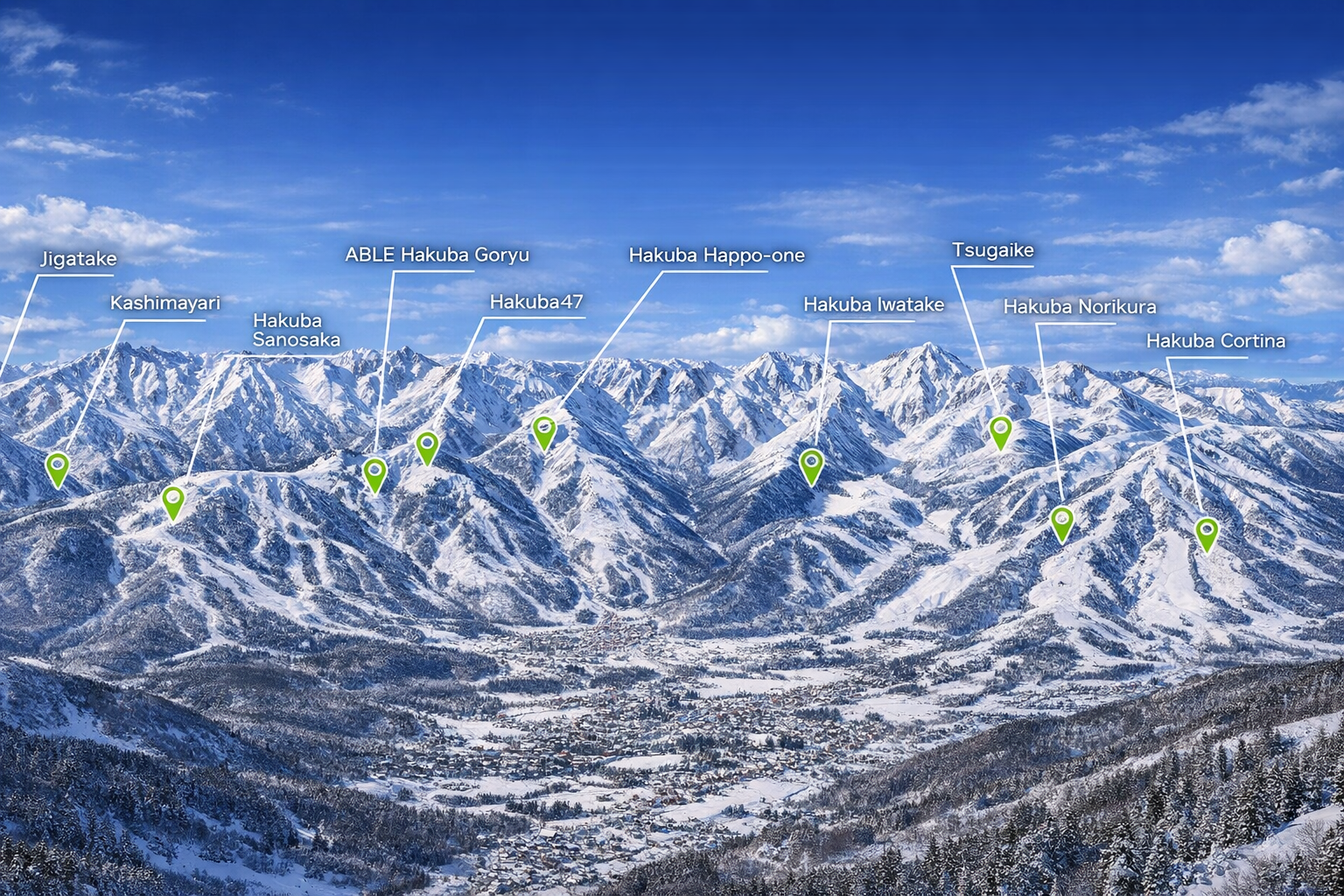
Hakuba Valley
Hakuba Valley: Japan’s alpine playground with ten different personalities
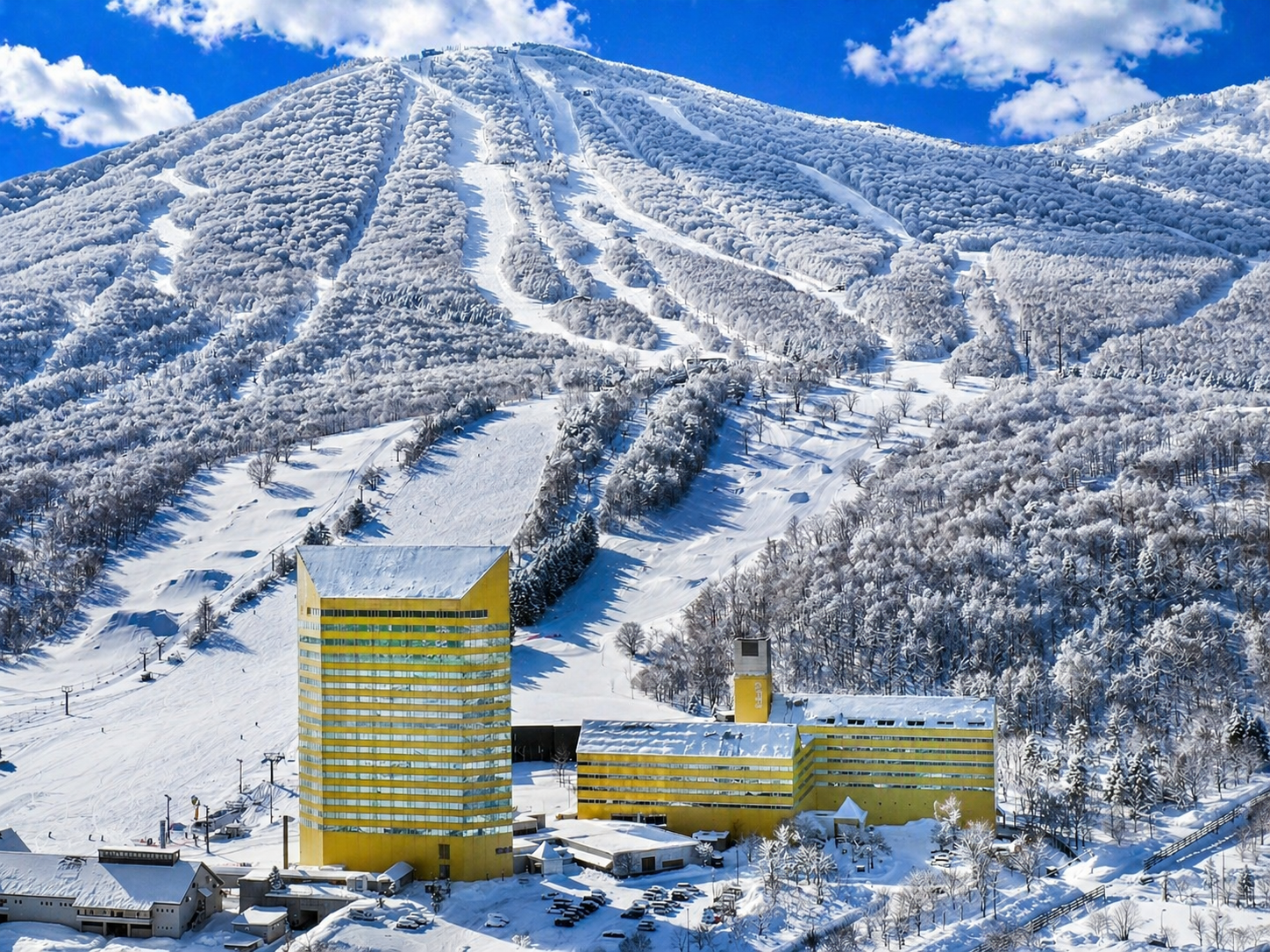
Appi Kogen
Tohoku’s Powder Playground
Resort Comparison
Vibe check
Hakuba feels like a whole mountain district rather than a single resort. That is the appeal. Ten resorts are spread along the valley, the Olympic history still hangs around the place, and different bases have different personalities, from the bustle of Happo to cheaper, younger-energy pockets like Echoland. It feels social, a bit scrappy in places, and properly alive.
Appi feels more composed. It is purpose-built, more contained, and less interested in chaos. You stay close to the slopes, the base area is resort-driven rather than village-driven, and the whole experience leans tidy, convenient, and polished. If Hakuba is a mate yelling get on the shuttle, Appi is the friend who already booked the table and knows where the locker is.
Snow and weather
Estimated cumulative fresh snowfall at major on-mountain ski areas; actual totals vary substantially by resort, elevation, measurement location, and season.
Hakuba gets real snowfall and big-resort breadth to match. Official tourism sources describe the valley as one of Japan’s major ski areas, with more than 10 meters of average annual snowfall, 10 resorts, and a big spread of terrain and aspects. In practice, that means you can adapt. If one zone is wind-bashed or tracked, another part of the valley may still be the play.
Appi’s angle is less about sheer valley sprawl and more about snow quality and consistency of experience. JNTO describes its powder as high quality and says it rivals Hokkaido, while also stressing how well the pistes are groomed. So if you like your powder day followed by a silky groomer lap, Appi is very much in its lane.
Where you stay
Hakuba gives you options, and also homework. Stay in Happo and you are in the thick of it, with restaurants, bars, apartments, chalets, English lessons, and daycare nearby. Stay in Echoland and you often get a more economical base with lively nightlife, but you are shuttling to ski. That flexibility is great, though it also means you need to think a bit harder about where your trip should orbit.
Appi is much easier to explain. The slope-side hotel setup is a big part of the sell, and the resort’s accommodation stack runs from family-friendly resort hotel convenience to a more luxurious InterContinental-style stay. It is the better pick if you want to walk downstairs, click in, and not spend the week negotiating buses, car parks, or which village your dinner is in.
Terrain and tree skiing
Hakuba wins on scope. The valley has everything from mellow terrain to long cruising runs, plus the more serious freeride and backcountry reputation that keeps strong skiers and riders coming back. Official Hakuba Valley guidance also makes it clear that several resorts have designated backcountry gates, which tells you plenty about the style of terrain people come here chasing.
Appi is better than some people expect, especially if they assume it is just a groomer factory. It has 21 slopes, long runs, officially designated ungroomed routes, and five tree-run areas, with JNTO noting 60 hectares of tree-run terrain and a 5.5 km longest run. The difference is that Appi’s off-piste fun feels more structured and resort-managed, while Hakuba’s feels bigger, looser, and more rabbit-hole prone.
Crowds and lift flow
Hakuba’s biggest strength is also its biggest annoyance. A giant valley with multiple famous resorts means choice, but it also means movement. Lift lines can concentrate at the better-known access points, and valley-hopping can turn into a shuttle-and-timing exercise if you are trying to ski smart. The free shuttle tied to Hakuba Valley passes helps, but it still adds friction compared with a one-base resort.
Appi usually feels smoother. It is one well-designed resort with long runs, a slope-side core, and less of that morning logistics noise. You still need to know where to go when the snow is good, but the overall flow is cleaner and more beginner-friendly. For people who hate wasting ski time on transit admin, Appi is the easy win.
Cost and value
Hakuba can absolutely sting, especially in the popular pockets and prime periods, but it has a broader accommodation ladder. Happo can lean expensive, while Echoland tends to be more economical, and the valley structure gives you more freedom to trade convenience for savings. That usually makes Hakuba the better overall value play for travellers willing to be a little strategic.
Appi is not pretending to be the bargain-bin option. What it does well is package convenience. If you value ski-in ski-out, on-site dining, hot springs, pool, family facilities, and a neater all-in-one stay, the spend can feel justified. On pure budget terms, Hakuba wins. On hassle-adjusted value, Appi gets interesting.
Food and nightlife
Hakuba takes this by a chairlift. Happo and Echoland both have real after-dark energy, with bars, pubs, ramen, izakayas, shops, and a broad mix of international and Japanese dining. It is one of the few Japan ski destinations where a crew can split off after skiing and still find plenty going on without needing a rigid plan.
Appi is more resort-dining than resort-town. There are multiple on-site restaurants and bars, which is handy, especially for families or shorter trips, but nobody is choosing Appi because they want a sprawling night out scene. You eat well enough, you soak, you sleep, and you ski again. Very civilised. Slightly less feral.
Logistics
Hakuba is easier from Tokyo than a lot of overseas visitors expect, with official access guidance putting it at as little as 2 hours 50 minutes via Hokuriku Shinkansen and bus. But arrival is only half the story. Once there, you still have a whole valley to navigate, and your choice of base can make or break how streamlined the trip feels.
Appi is the stronger short-trip operator. Tokyo to Morioka on the Tohoku Shinkansen is straightforward, and from there you have a direct bus or local rail plus shuttle into resort. Hanamaki Airport access is also built into the setup. For people who want the least number of moving parts between airport, hotel, and first chair, Appi is the cleaner bet.
The X-factor
Olympic valley-hopping vs purpose-built polish
Hakuba’s X-factor is that big, famous, slightly chaotic valley energy. The Olympic legacy is real, the terrain spread is massive, and the place rewards skiers and riders who like options. You can base yourself in one village, ski somewhere else, then change the whole plan the next morning because the snow report looks better up the road. That freedom is a huge part of its charm.
Appi’s X-factor is how easy it makes being comfortable. This is the polished, purpose-built resort version of a Japan ski trip: long groomers, defined tree-run zones, slope-side hotels, hot springs, family infrastructure, and very little mess in the user experience. It will not give you Hakuba’s valley-hopping theatre, but it does give you a very satisfying low-drama week on snow.
The tiebreaker
Pick Hakuba if you want the bigger trip, bigger terrain menu, better nightlife, and the freedom to chase different resorts across the week.
Pick Appi Kogen if you want a smoother, easier, more self-contained holiday where convenience is high, grooming is excellent, and the whole thing feels nicely under control.
FAQ
Is Hakuba or Appi Kogen better for families?
For young kids, Appi is easier. The ski-in ski-out setup, child-friendly snow park, and on-site facilities reduce the amount of running around. Hakuba is better for families with older kids or teens who want more terrain choice and a livelier base.
Which gets better powder, Hakuba or Appi Kogen?
Hakuba usually wins for storm-chasing scale because the valley has more resorts and more terrain to move between. Appi is very strong on snow quality, though, with JNTO highlighting dry powder that rivals Hokkaido plus structured tree-run zones.
Which is better for advanced skiers and snowboarders?
Hakuba is the stronger choice if you want more variety, steeper lines, freeride flavour, and the broader backcountry culture. Appi still has legitimate advanced fun through its ungroomed routes and tree-run areas, but it feels more controlled and less sprawling.
Which is easier to reach from Tokyo?
Both are very doable, but Appi is simpler once you factor in the whole trip. Hakuba can be reached from Tokyo in as little as 2 hours 50 minutes, while Appi runs neatly off the Tohoku Shinkansen to Morioka followed by a direct bus or shuttle into resort.
Is Hakuba or Appi Kogen better for beginners?
Appi is the safer beginner pick overall. JNTO highlights its long beginner-friendly run, groomed pistes, and lessons, while Hakuba has plenty for beginners too but can feel more spread out and choice-heavy for a first Japan trip.
Which has better nightlife and food?
Hakuba, comfortably. Happo and Echoland have the restaurants, bars, and after-dark buzz that Appi simply is not trying to compete with. Appi is more about convenient in-resort dining and a quieter evening rhythm.
Which is better for a short 4 or 5 night trip?
Appi Kogen. Less time gets burned on valley decisions, shuttle strategy, and base-location trade-offs, so you can land, settle in, and get skiing. Hakuba is better when you have enough days to make use of its scale.