

Furano vs Zao Onsen
Groomer Confidence or Snow Monster Chaos?
Furano and Zao Onsen are both proper Japan ski trips, but the mood is wildly different. Furano is the cleaner, calmer operator: inland Hokkaido dry snow, two connected zones, long fast groomers, and a resort-town setup that feels easy to understand from day one. Zao Onsen is the dramatic one: a sprawling Tohoku ski area wrapped around a sulfuric hot spring village, with ropeways, old-school character, and the famous snow monsters looming over the upper mountain.
If Furano is the ski mate who always turns up organised and ready to farm quality laps, Zao is the mate who smells faintly of sulfur, disappears into a foggy ropeway, then reappears an hour later grinning from an outdoor bath. One is better for smooth, low-fuss ski days. The other is better if you want your Japan trip to feel a bit stranger, steamier and more memorable off the slopes too.
The quick verdicts
- First-timers to Japan: Furano. Easier mountain logic, strong resort infrastructure, and straightforward access from major Hokkaido airports make it a softer landing.
- Family with young kids: Furano. Kids’ snow escalators, ski-in ski-out hotel options and an overall cleaner day-to-day flow make life simpler.
- Family with older kids or teens: Zao Onsen. The bigger sense of adventure, ropeways, long descents and snow monster novelty give it more wow factor.
- Mates trip: Furano. Better lap efficiency, stronger ski-first energy, and more reliable dinner-and-drinks options between Kitanomine and town.
- Budget trip: Zao Onsen. More than 80 places to stay, including economical lodges and ryokan, usually gives you more room to dodge premium slopeside pricing.
- Luxe trip: Furano. It has the more polished slopeside hotel-and-condo feel, especially around the Prince base and Kitanomine.
- Powder reliability: Furano. Inland Hokkaido ultra-dry snow is the safer bet if your trip is built around snow quality first.
- Big mountain terrain and variety: Zao Onsen. More lifts, a higher summit and a broader spread of sectors give it the edge for mountain wandering.
- Culture and Japan-ness: Zao Onsen. Historic ryokan, public baths, foot baths and sulfur steam pouring through town make it feel deeply, gloriously Japanese.
- Short trip and easy logistics: Furano. If you are flying into Hokkaido, the airport options and simpler resort layout make it the lower-faff choice.
The Resorts
Explore each full review for a deeper look at what each resort has to offer.
Vibe check
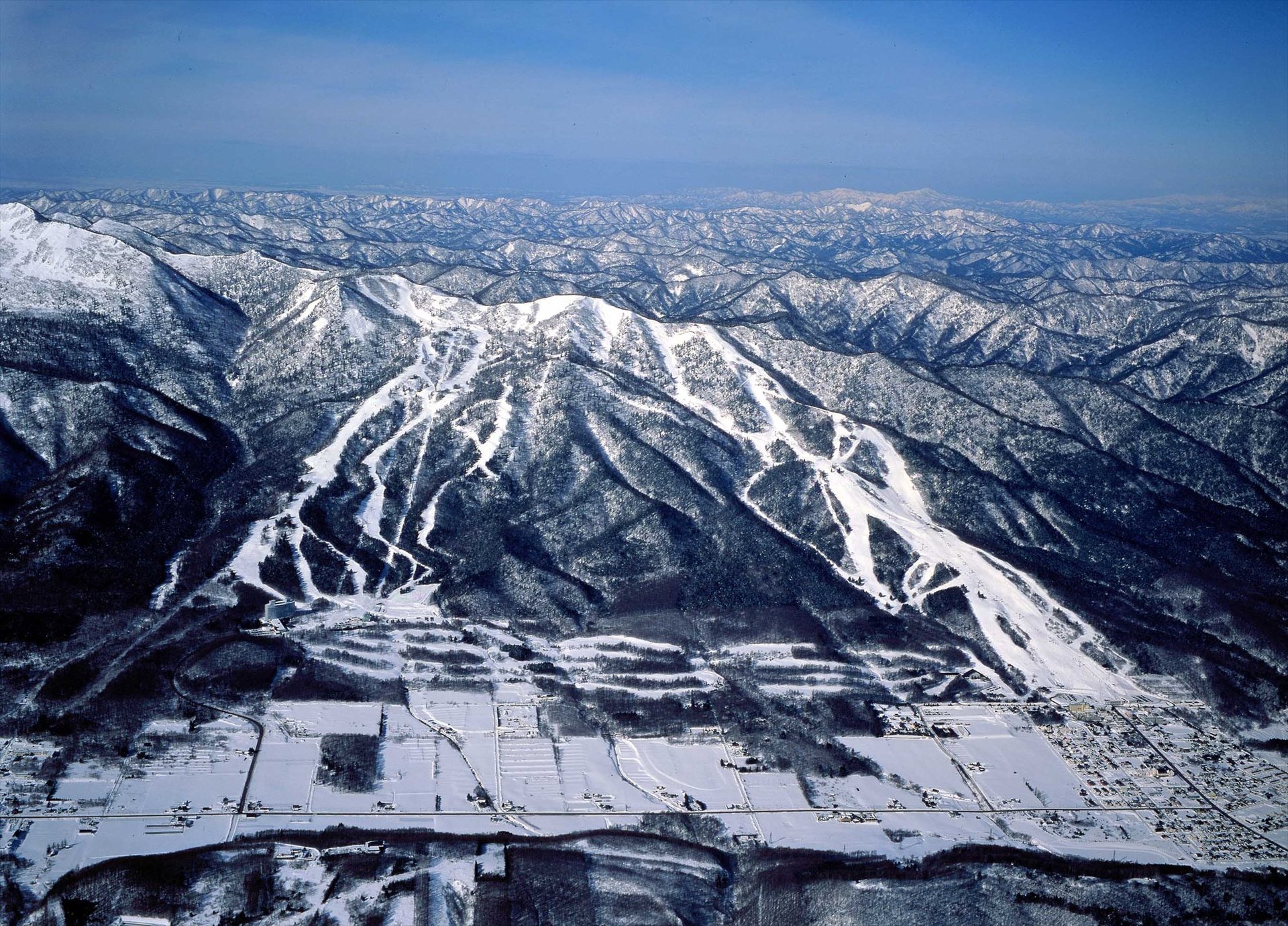
Furano feels like a proper ski resort attached to a real Hokkaido town. You have the more resort-focused Kitanomine and hotel base near the slopes, but also a broader local city feel nearby rather than a single self-contained bubble. That gives it a nice balance: polished enough for an easy holiday, but not so manufactured that it feels fake.
Zao Onsen is all atmosphere. The town is built around hot springs, the air can carry that unmistakable sulfur smell, and the whole place leans hard into the classic ski-and-soak rhythm. If you want lantern-lit streets, ryokan energy and boots-off-into-onsen culture, Zao has far more personality the second the lifts stop spinning.
Bluebird vs ghost-tree weather
Estimated cumulative fresh snowfall at major on-mountain ski areas; actual totals vary substantially by resort, elevation, measurement location, and season.
Furano’s big selling point is not just powder, but the feel of it. The resort is known for ultra-dry inland snow, and the mountain stacks that on top of long, confidence-building groomers and a layout that rewards repeat laps. It is the sort of place where a strong intermediate can ski better than they expected, fast.
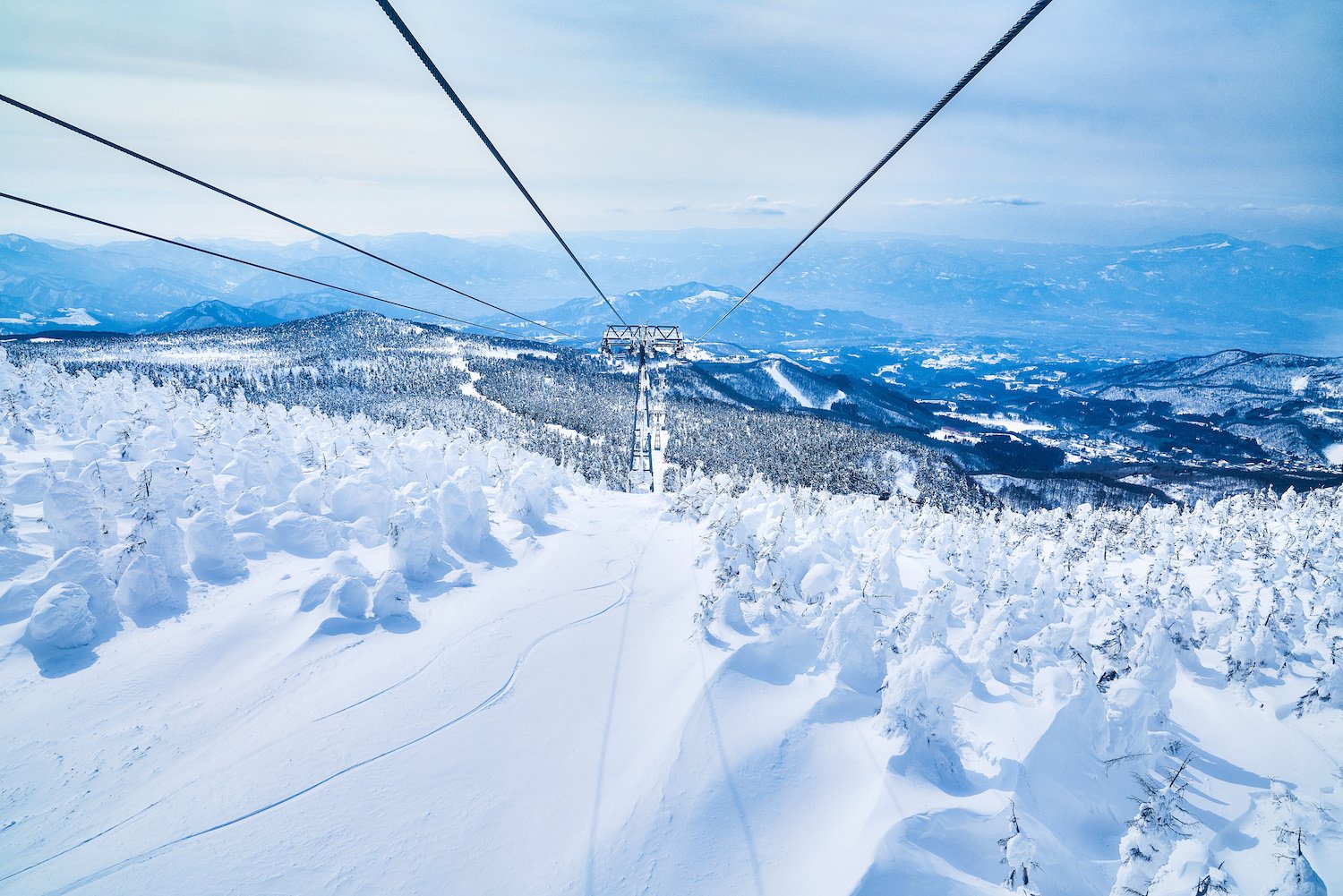
Zao’s snow story is moodier and more theatrical. The same winter conditions that create its snow monsters also bring a harsher, more alpine feel on the upper mountain, and the monsters are typically at their biggest from mid-February to mid-March. On the right day, that atmosphere is unforgettable. On the wrong day, Zao can feel a bit more like weather is part of the sport.
Where you stay
Furano gives you options without making the decision too messy. There are resort hotels near the slopes, inns in town and Kitanomine, growing condo stock in Kitanomine, and even cottages and guesthouses if you are travelling with a crew. It suits everyone from families who want convenience to groups who want a kitchen and space to spread out.
Zao Onsen leans more heavily into the classic Japanese stay. The official tourism site lists more than 80 accommodation options, including historical ryokan, hotels and economical lodges, and that shows in the feel of the place. Stay here and the accommodation is not just where you sleep; it becomes part of the trip.
Terrain and tree skiing
Furano is not the biggest mountain in Japan, but it skis really well. The two zones connect at the top, there are 28 trails, ungroomed runs, steep cruisers with race heritage, and enough pitch to keep stronger skiers interested without making the whole mountain feel punishing. It is especially good for intermediates and advanced cruisers who love clean fall-line skiing.
Zao gives you more of a roam. The summit station sits at 1,661 metres, there are 32 lifts, ropeways and gondola access, and the terrain stretches through different sectors and forested areas. It is the better pick if you enjoy covering ground and piecing together a bigger day, though it feels less compact and tidy than Furano.
Crowds and lift flow
Furano wins this one for sheer ski-day neatness. The layout is easier to read, the resort zones make sense quickly, and you can settle into a rhythm without feeling like you are constantly checking the map or committing to another ropeway mission. That matters more than people admit, especially on a short trip.
Zao is bigger, but it is also more old-school in how it moves you around the mountain. That is part of the charm, yet it can make the day feel a bit more stop-start, especially if you are trying to chase sectors, views and the snow monster zone in one hit. You go to Zao partly for the sprawling weirdness, not because it is the most frictionless machine.
Cost and value
Zao Onsen is the stronger value play. More varied accommodation, more economical lodges, public baths, and a town built around traditional stays make it easier to put together a trip that feels rich in experience without demanding full luxury-resort spending. It is the sort of place where you can spend less and still feel like you got more Japan.
Furano can still be done sensibly, especially if you lean into inns or town-based stays, but the polished slopeside end of the market around Kitanomine and the big hotel zone can push the holiday upmarket fast. You are paying more for convenience and a smoother overall product. Sometimes that is worth every cent.
Food and nightlife
Furano has the edge once the skis go back in the rack. The tourism listings show a broader spread of restaurants, western dining and resort-adjacent hotel venues, and because you also have the wider town nearby, dinner feels less like a one-shot decision. It is not a party monster, but it is easier to have a few different nights out without repetition setting in too fast.
Zao Onsen is more about eating well, soaking hard and calling it a good life. There are restaurants and local Yamagata food options, but the town’s real strength is that classic ryokan rhythm of dinner, bath, maybe a stroll, then bed. Great for couples, culture lovers and tired legs. Not the strongest choice for a late one with the crew.
Logistics
Furano is excellent once you commit to Hokkaido. From Asahikawa Airport it is about an hour, and from New Chitose it is roughly 2.5 to 3 hours by bus, train or car. For Aussie and Kiwi travellers already looking north, that is pretty painless.
Zao Onsen is the sneaky good option if Tokyo is part of the plan. JNTO says you can take the Yamagata Shinkansen to Yamagata and then transfer to the bus, with the total trip from Tokyo around three hours, and the town is also about 40 minutes by hourly bus from Yamagata Station. If you want Honshu skiing without a flight up to Hokkaido, that is a serious point in Zao’s favour.
The X-factor
Snow monsters and sulfur steam
This is where Zao stops being just a ski resort comparison and starts becoming its own genre. The upper mountain’s snow monsters are one of Japan’s great winter spectacles, and the town below backs that up with strongly acidic sulfur springs, public baths and free foot baths. Few resorts in Japan give you such a complete one-two punch of ski theatre and onsen ritual.
Furano’s counterpunch is less theatrical but very persuasive: pure ski confidence. Ultra-dry snow, long fall-line runs, strong resort infrastructure and a town-resort mix that makes the whole holiday feel smooth. Zao is the story you tell. Furano is the place where your skiing tends to feel better every day you are there.
The tiebreaker
Pick Furano if you want the cleaner ski holiday: better lap rhythm, stronger powder reliability, easier resort flow, and a more polished all-round setup.
Pick Zao Onsen if you want the more memorable Japan holiday: snow monsters, sulfur baths, ryokan atmosphere, and a mountain day with more character than composure.
FAQ
Is Furano or Zao Onsen better for powder?
Furano is the safer powder pick. Its inland Hokkaido climate is specifically promoted for ultra-dry snow, while Zao’s snowfall comes with more weather drama and less of that classic cold-smoke Hokkaido feel.
Which resort feels more Japanese?
Zao Onsen, and it is not especially close. The hot spring village, sulfur baths, public bathhouses, foot baths and ryokan-heavy stay options make it feel far more rooted in traditional Japan than a standard resort stay.
Which is better for families?
For younger kids, I would lean Furano because the resort setup is easier, there are kids’ snow escalators, and slopeside hotel convenience is stronger. For older kids who want more adventure and novelty, Zao starts to look very tempting.
Which is easier to reach from Tokyo?
Zao Onsen is the easier Tokyo add-on. JNTO puts the trip from Tokyo at around three hours by Shinkansen and bus, while Furano makes more sense when you are already committing to a Hokkaido flight.
Which is better for beginners and intermediates?
Both work, but Furano is the more confidence-building ski mountain overall because the terrain and lift flow feel simpler. Zao also has strong beginner areas like Uwanodai, Ryuzan and Chuo, so it is hardly hostile to newer skiers.
Which is better for advanced skiers?
Zao has more variety and more mountain to explore, while Furano has stronger quality-per-lap and some genuinely fun ungroomed and steeper pistes. If you like covering ground, go Zao; if you like repeating good terrain fast, go Furano.
When is the best time to go?
For Furano, midwinter is the obvious sweet spot if snow quality is the headline act. For Zao, midwinter is also strong, but mid-February to mid-March is especially tempting if seeing the snow monsters at full size is part of the dream.