

Furano vs Shiga Kogen
Hokkaido polish or Nagano roaming?
Furano and Shiga Kogen are both serious Japan ski holidays, but they deliver their fun in very different ways. Furano is the neat, good-looking operator: two connected zones, quality fall-line skiing, proper Hokkaido snow, and a setup that makes sense before your second coffee.
Shiga Kogen is more like being handed a giant piste map and told good luck, in the best possible way. It is vast by Japanese standards, spread across 18 ski areas, high enough to hold snow well, and full of that old-school Nagano energy where the skiing matters more than whether the bar menu has craft cocktails.
The Resorts
Explore each full review for a deeper look at what each resort has to offer.
Furano
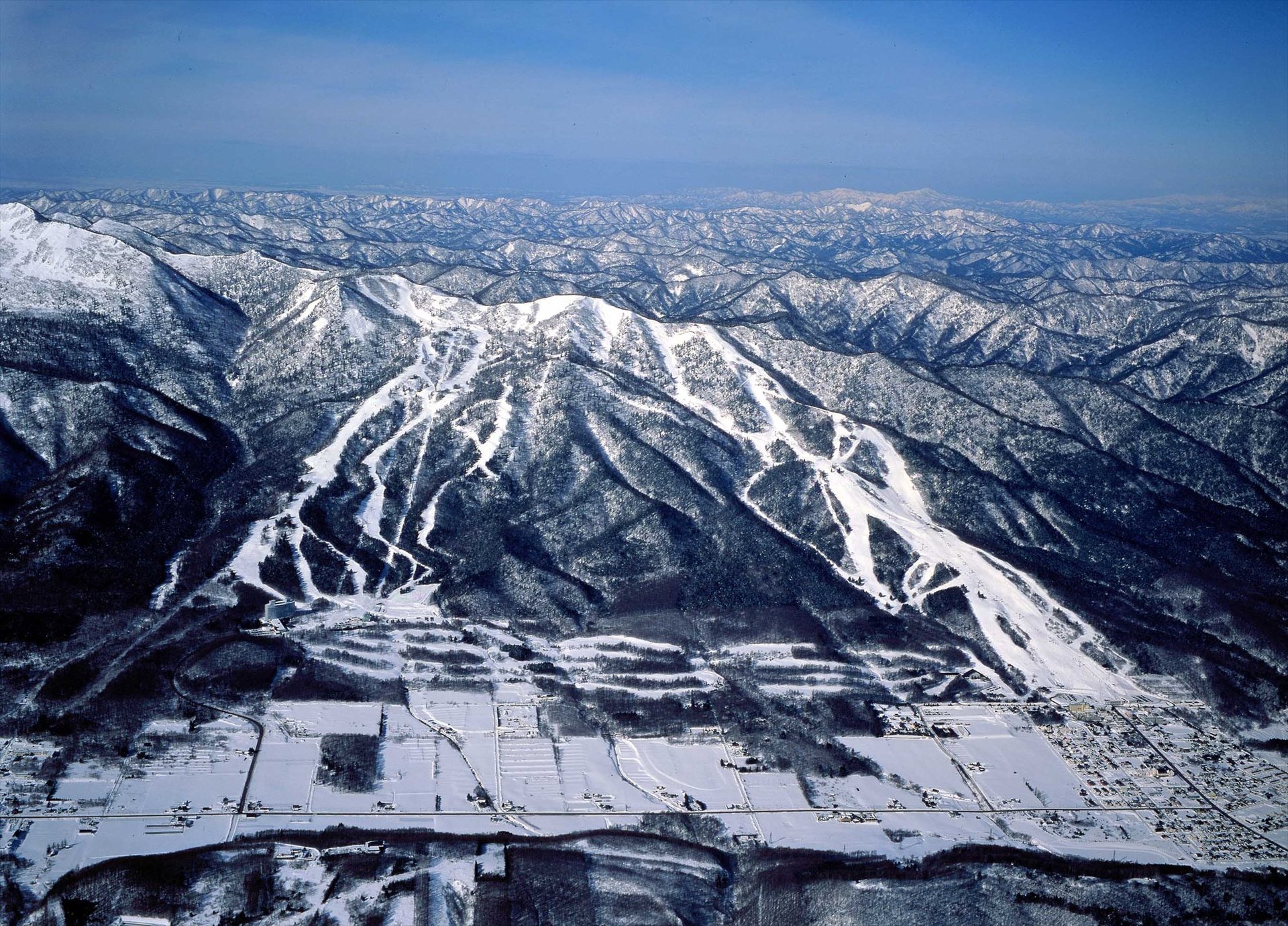
Quiet Pow, Deep Roots, and Big Views
Shiga Kogen
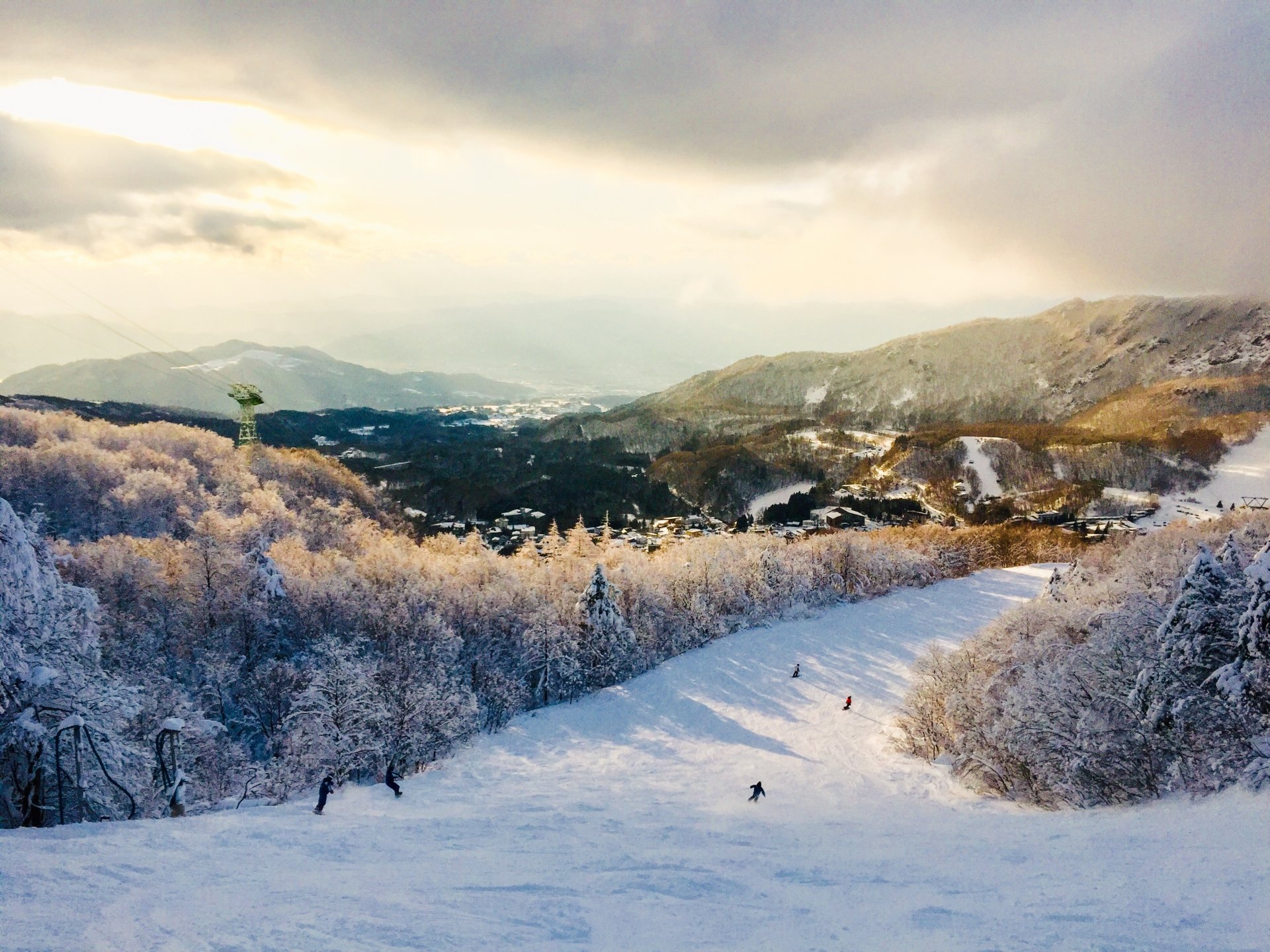
Japan’s high-alpine giant with quietly reliable pow
Resort Comparison
Vibe check
Furano feels composed. You have the Furano Zone and Kitanomine Zone linked up top, proper resort infrastructure, a strong hotel base, and a mountain that is easy to read quickly. It has that satisfying feeling of turning up, clicking in, and understanding the place without needing a strategy document.
Shiga Kogen feels broader, looser, and more old-school. It is not one tidy resort village. It is a spread of hotel pockets, linked ski areas, shuttle buses, and long traverses across a mountain complex that rewards people who enjoy exploring. That is part of the charm, but it also means the day-to-day flow is less polished and more map-based.
Snow and weather
Estimated cumulative fresh snowfall at major on-mountain ski areas; actual totals vary substantially by resort, elevation, measurement location, and season.
If your heart beats faster at the phrase cold, dry Hokkaido powder, Furano is the stronger bet. Powderhounds describes it as a strong all-rounder with quality Central Hokkaido powder, and the resort itself highlights ungroomed powder runs alongside its groomers and steeper race-style lines.
Shiga Kogen counters with altitude. Its peak reaches 2,307 metres, the highest in Japan, and that helps it stay colder, preserve snow quality, and keep spinning later than many resorts. So while Furano has the more classic Japow reputation, Shiga has the kind of elevation that makes a longer season and firmer snow preservation a real asset.
Where you stay
Furano’s stay options make immediate sense. Shin Furano Prince is directly connected to the slopes, while the Kitanomine side gives you a more conventional resort-base feel with lodging clustered near the gondola. It is one of those places where your trip starts feeling easy the minute you dump your bags.
Shiga Kogen has loads of ski-in ski-out or near-slope hotels, but the trade-off is that many are scattered and some are dated. There is no single proper village heartbeat, evening dining is limited in many pockets, and half-board stays are common partly because there just are not that many places to wander out to at night.
Terrain and tree skiing
Furano is a very satisfying mountain to ski fast. The official mountain info points to steep cruisers used for FIS races, while Powderhounds notes plenty of off-piste exploration and tree zones with varying spacing. It is not some endless mega-resort, but it punches well because the terrain is clean, direct, and fun for confident intermediates up through solid advanced riders.
Shiga Kogen wins on sheer variety. It has 18 ski areas, over 80 kilometres of trails, and everything from mellow family zones to longer cruisers and pockets of good tree skiing in selected areas. The catch is that off-piste rules can be inconsistent depending on where you are, so it is more of a hunt-and-roam mountain than a simple point-and-send setup.
Crowds and lift flow
Furano usually feels pretty civilised by Japan powder standards. It is well known, but it is not the kind of place where the whole mountain feels like a competitive sport before 10am, and the layout is simple enough that you spend more time skiing and less time wondering if you just took the wrong lift.
Shiga Kogen is famously roomy. Powderhounds and rider reviews both call out low crowd levels and minimal lift lines, which is a huge plus in Japan. The only catch is that some of the lift system still has that charmingly retro double-chair energy, so the resort can feel uncrowded yet not always especially quick.
Cost and value
Neither place is the poster child for reckless overspending in the way some bigger-name Japan resorts can be, but they are not equal here. Shiga Kogen often feels like the better value play because it is more domestic in flavour, less polished in presentation, and full of practical hotel setups rather than glossy resort sheen.
Furano can drift pricier once you start leaning into slope-side convenience and resort-hotel comfort. That said, it usually feels like you are paying for clarity and quality rather than hype. If you want one resort that is easy to base yourself in and ski hard without much friction, Furano’s value still makes sense.
Food and nightlife
Furano wins this one without needing to raise its voice. On-mountain it has the usual practical stops, and off the hill it has a more recognisable resort-town rhythm. You can eat well, have a drink, and feel like the day did not end the second the lifts stopped turning.
Shiga Kogen is much quieter after dark. Powderhounds is blunt that there is no real village scene and nightlife is limited, with Ichinose being one of the better central areas if you want at least a few bars and restaurants. If your dream ski trip includes a lively post-lift wander, Furano is the safer call by a long margin.
Logistics
Shiga Kogen has the cleaner Tokyo-side access story. From Nagano Station, the express bus gets you to Shiga Kogen Yamanoeki in about 80 minutes, and from there you can ski or use the resort shuttle to your chosen base. That is hard to argue with for a short Honshu-based trip.
Furano is more of a Hokkaido commitment, but not an awkward one. It sits in Central Hokkaido, roughly an hour south of Asahikawa, and there are straightforward bus options from Asahikawa Airport to the Prince Hotel area. It is also a very handy base for a broader Central Hokkaido trip if you like the idea of mixing resort days with day trips.
The X-factor
One mountain you learn vs one mountain you explore
Furano’s superpower is that you start reading it quickly. By lunch on day one, you usually know where you want to warm up, where the better snow is holding, and which lines you want to keep lapping. That makes it a brilliant resort for skiers and snowboarders who love getting into a groove instead of spending half the trip decoding the trail map.
Shiga Kogen is the opposite, and that is exactly why many people love it. It is a ski safari. You can spend a whole trip moving from area to area, linking zones, finding quieter corners, and slowly working out which bases, chairs, and sectors suit your style. Furano gives you fluency fast. Shiga gives you mileage, curiosity, and the lovely sense that there is still more over the next ridge.
The tiebreaker
Pick Furano if you want cleaner logistics on the mountain, better town energy, proper Hokkaido powder vibes, and a resort that feels dialled-in from day one.
Pick Shiga Kogen if you want scale, altitude, quieter slopes, a more old-school Japanese feel, and a trip that feels more like exploration than repetition.
FAQ
Is Furano or Shiga Kogen better for beginners?
Furano is easier for most beginners and nervous intermediates because the mountain is simpler to understand and has dedicated beginner escalator zones. Shiga Kogen has beginner terrain too, but the sheer spread of the place can feel more confusing.
Which resort is better for powder?
Furano gets the nod for classic powder reliability because of its Central Hokkaido location and strong reputation for dry snow. Shiga Kogen still has excellent snow quality thanks to its altitude, but Furano is the more obvious powder-first pick.
Which is better for advanced skiers?
Shiga Kogen is better if your idea of a good day is covering ground, sampling different zones, and chasing variety. Furano is better if you want steeper groomers, easier-to-read off-piste options, and repeated quality laps without the map work.
Is Shiga Kogen cheaper than Furano?
Usually, yes in overall feel. Shiga Kogen tends to be more practical and less polished, while Furano has a stronger resort-hotel flavour that can push the trip upward once you start prioritising slope-side convenience.
Which one is easier from Tokyo?
Shiga Kogen, comfortably. You can take the shinkansen to Nagano and then jump on an express bus into the resort, which is ideal for shorter trips on Honshu.
When is the best time to go?
For Furano, midwinter is the sweet spot if deep, cold Hokkaido snow is the priority. Shiga Kogen is strong in midwinter too, but its elevation also makes it a very solid late-season option compared with many lower resorts.
Which is better for families?
For families with young kids, Furano is the easier holiday. For families with older kids who want more terrain and more variety each day, Shiga Kogen starts to make a stronger case.