

Furano vs Kiroro
Bluebird Groomers or Storm-Day Tree Mayhem?
Furano and Kiroro are both Hokkaido heavy-hitters, but they deliver very different ski holidays. Furano feels like a proper ski town trip: two connected resort zones, long fall-line runs, quick access to Kitanomine and downtown, and enough bars and restaurants that your evenings do not end the second you unclip.
Kiroro is more like a polished powder cocoon. It spreads across the twin mountains of Asari and Nagamine, packs most of its stay-and-eat options right at the base, sits close to Otaru, and leans hard into convenience, ski-in ski-out comfort, family programs and deep-snow appeal.
The quick verdicts
- First-timers to Japan: Furano. You get the skiing plus a real Hokkaido town rhythm, rather than staying inside a resort bubble the whole trip.
- Family with young kids: Kiroro. The resort is built for easy family logistics, with dedicated kids programs, on-site stays and beginner-friendly learning infrastructure.
- Family with older kids or teens: Furano. It gives stronger all-round holiday variety once the kids want more than ski school and hotel life.
- Mates trip: Furano. Better bar, dinner and off-snow options, and it feels less like everyone has gone to bed after dessert.
- Budget trip: Furano. More stay options and easier access to town food usually make it the friendlier value play.
- Luxe trip: Kiroro. This is the cleaner fit if you want ski-in ski-out comfort, resort services and a more premium, self-contained stay.
- Powder reliability: Kiroro. Furano gets superb dry inland snow, but Kiroro is the safer bet when the trip is built around storm snow.
- Big mountain terrain and variety: Furano. The longer vertical feel, two-zone layout, steep cruisers and easy mix of piste and sidecountry give it more day-to-day range.
- Culture and Japan-ness: Furano. Kiroro feels international and resort-led, while Furano still feels like you are skiing beside an actual local town.
- Short trip and easy logistics: Kiroro. Being close to Otaru and within easy reach of Sapporo makes it simpler for a quick hit, especially if you want minimal moving parts.
The Resorts
Explore each full review for a deeper look at what each resort has to offer.
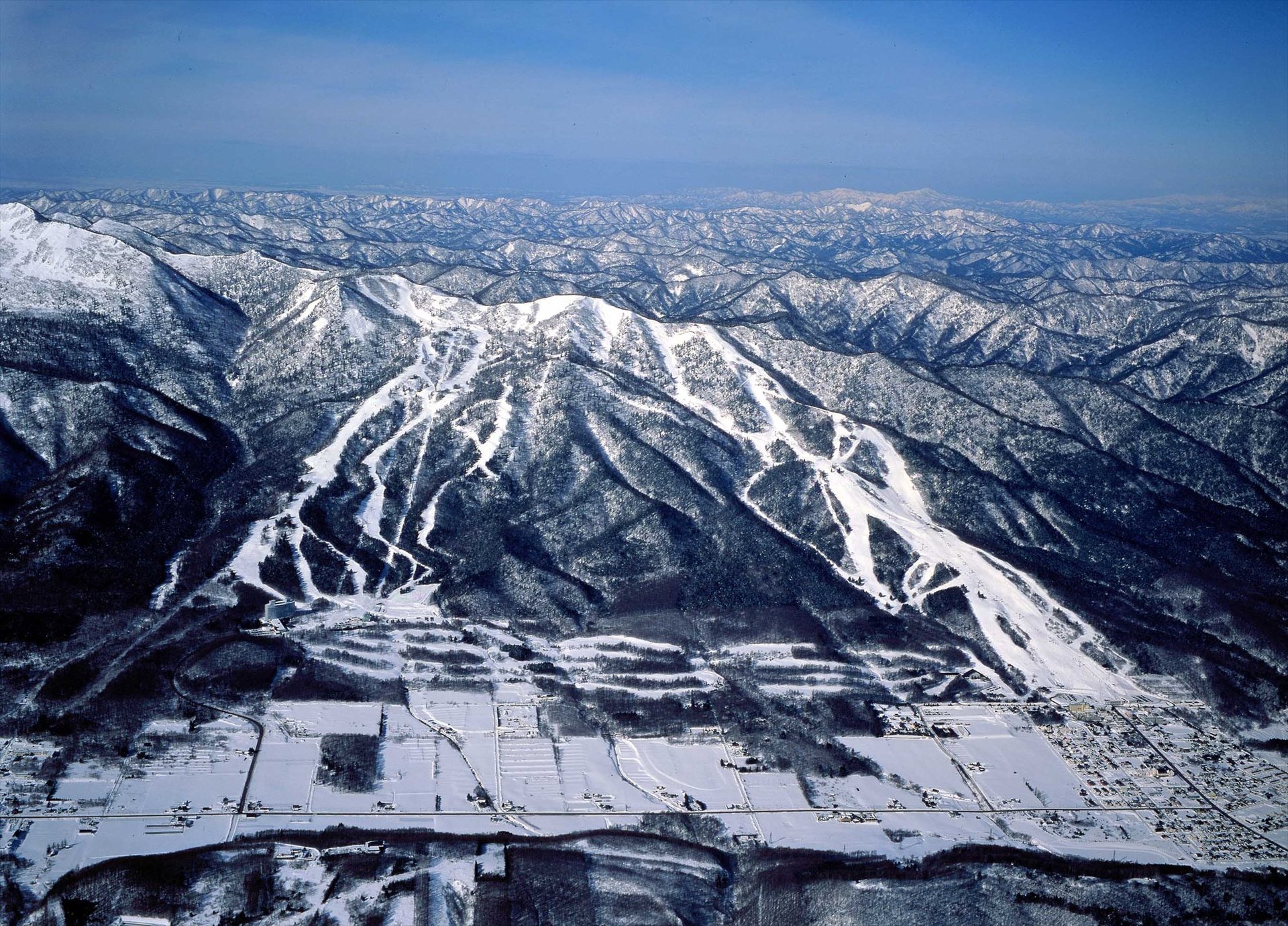
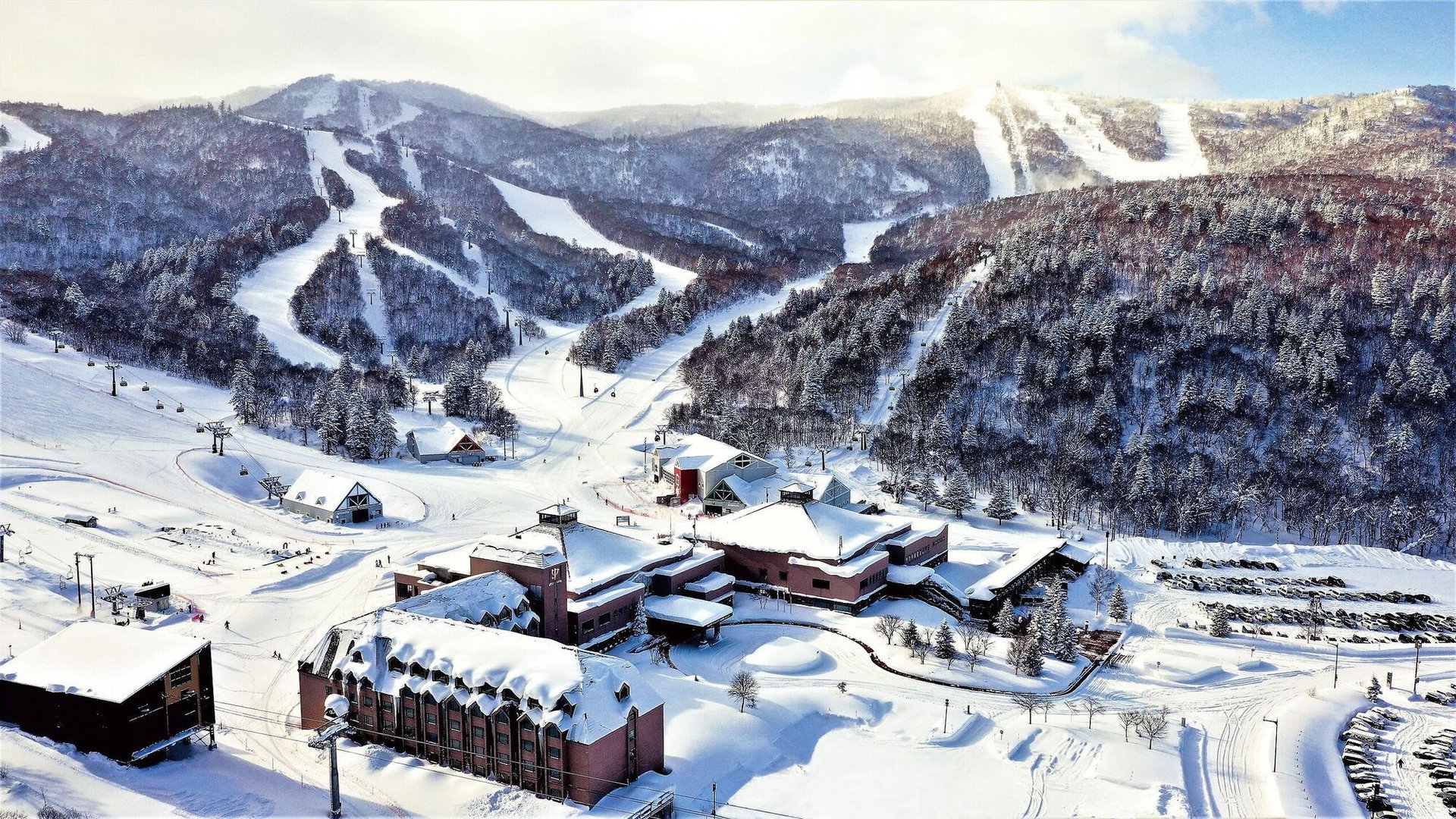
Vibe check
Furano has a nice split personality. On snow, it feels sharp and athletic, with proper long groomers, fast laps and a bit of old-school race pedigree in the hill design. Off snow, it softens into a laid-back town-and-resort combo where you can bounce between Kitanomine, downtown ramen, little bars and the occasional very solid bakery or coffee stop.
Kiroro is tidier, quieter and more sealed off from the outside world. That is not a criticism. For plenty of people, it is the whole point. You ski, you roll into the hotel, you soak, you eat, maybe have a drink, and do it all again tomorrow without dealing with transfers, restaurant hunts or much decision-making at all.
Snow and weather
Estimated cumulative fresh snowfall at major on-mountain ski areas; actual totals vary substantially by resort, elevation, measurement location, and season.
If the mission is pure powder confidence, Kiroro gets the nod. It is widely known for huge snowfall, its official positioning leans heavily on pristine dry snow, and the resort’s layout across Asari and Nagamine gives you plenty of soft-snow terrain to play with when conditions line up.
Furano counters with a different kind of snow quality. Hokkaido’s official tourism material highlights the ultra-dry inland snow, and local Furano sources lean into the cold, crisp feel, beautiful visibility and even diamond-dust mornings. So while Kiroro often wins the storm totals, Furano often wins the clean, chalky, bluebird-after-snow kind of day that makes every turn feel expensive.
Where you stay
Furano gives you options. You can stay ski-in ski-out near the Prince side, base yourself around Kitanomine, or go closer to town and shuttle or taxi in. The key thing is that the resort is not isolated from everything else, so your holiday can feel broader than just hotel-room-to-lift-to-hotel-room.
Kiroro is much more concentrated. The headline stays are Club Med Kiroro Grand, Club Med Kiroro Peak and Yu Kiroro, all right in the resort orbit. That is brilliant for convenience, especially for families and luxe travellers, but it also means you are leaning more heavily on resort accommodation and resort dining rather than wandering through a town and picking whatever looks good.
Terrain and tree skiing
Furano skis bigger than many people expect. The resort is split between Furano Zone and Kitanomine Zone, with long runs, serious vertical feel, ungroomed sections and steep cruisers that have hosted World Cup racing. It is one of those mountains where a fast groomer lap still feels properly satisfying, not just a placeholder until the next powder stash.
Kiroro is the stronger play if your eyes light up at the words trees, sidecountry and soft snow. The resort has 23 courses over two mountains, and JNTO notes its sidecountry gate system for safe access to out-of-bounds terrain. Add the naturally deeper snow profile and Kiroro becomes the more obvious choice for riders who want to spend all day hunting sheltered powder rather than mixing it up with piste laps.
Crowds and lift flow
Neither place has the frantic, constantly-on kind of feel that some bigger-name Japan resorts can fall into, but Kiroro generally feels calmer and more self-contained. Its own site literally pitches fresh tracks and no lift lines as one of the core reasons to go, and the whole resort setup is built around keeping guests moving without much fuss.
Furano still flows well, but in a different way. The ropeway, the split base areas and the connected two-zone layout help spread the day out, and there is enough mountain here that you can change the shape of your ski day pretty easily. I would call it efficient rather than empty. Kiroro feels smoother for powder-chasing resort laps; Furano feels better if you like variety in how you ski the hill.
Cost and value
Furano is usually the more forgiving choice for the wallet. Not because it is bargain-bin cheap, but because you have more room to manoeuvre. There are more ways to stay, more ways to eat, and more chances to avoid paying the full resort-convenience tax every time you need dinner, drinks or a different vibe for the evening.
Kiroro can absolutely feel worth the money, especially if you want the convenience to be the luxury. But the resort’s stay mix is weighted toward premium hotels and condos, and the dining picture is far more resort-centric. That makes it easier to justify for a splurge trip than for someone trying to squeeze maximum days out of a fixed budget.
Food and nightlife
Furano wins this one without much drama. Kitanomine has lift-side bars and restaurants, and downtown Furano is close enough that dinner does not feel like an expedition. It is not some wild all-night circus, but it has enough life that your trip feels like a holiday, not just a ski camp with pillows.
Kiroro feeds you well, but it does not really flirt with nightlife in the same way. You have hotel restaurants, lounges, bars and on-resort dining, and Otaru is the obvious off-resort escape if you want a change of scene. That setup works beautifully for low-effort comfort, but less so if your ideal evening involves wandering, comparing izakayas and ending up somewhere noisy by accident.
Logistics
Furano is especially handy if you are coming through Asahikawa, and the tourism association also notes drive times of about an hour from Asahikawa Airport and a bit over two hours from New Chitose or Sapporo. It also helps that downtown and the ski area are close enough to each other that you are not constantly dealing with big transfers once you are in town.
Kiroro is easier for the classic Sapporo or Otaru-based Hokkaido approach. JNTO places it about an hour from Sapporo and 30 minutes from Otaru, while Hokkaido’s official tourism site notes roughly 70 minutes by bus from JR Otaru Station. For a short trip where you want to land, transfer, ski and keep life simple, Kiroro is the cleaner play.
The X-factor
The bluebird-vs-blizzard trade
This pairing has a very specific twist: Furano is one of the best places in Japan to enjoy that cold, inland, bluebird groomer-and-powder combo, while Kiroro is the resort you book when you want to lean right into storm skiing. Furano’s official and regional tourism material keeps coming back to ultra-dry inland snow, long views and crisp mountain scenery. Kiroro keeps coming back to deep snow, soft turns and resort ease.
That means the choice is not just town versus resort. It is also about what kind of ski day gives you the biggest grin. If you want to arc fast turns on immaculate cold corduroy, duck into dry trees, then head into town for food, Furano has a very addictive rhythm. If you want to wake up hoping the windows are rattling and the mountain has disappeared into white, Kiroro is your mischief-maker.
The tiebreaker
Pick Furano if you want the more rounded ski holiday: better town feel, better food-and-bar freedom, stronger value, and a brilliant mix of dry powder, long groomers and everyday convenience.
Pick Kiroro if you want to prioritise deep snow, ski-in ski-out ease, family convenience and a polished resort setup where the whole trip revolves around skiing hard and keeping logistics dead simple.
FAQ
Is Furano or Kiroro better for powder?
Kiroro is the safer powder bet overall. Furano gets excellent ultra-dry inland snow, but Kiroro is the one more strongly associated with big storm totals and soft-snow-focused terrain.
Which is better for families?
For families with younger kids, Kiroro is usually easier thanks to its dedicated kids academy, on-resort accommodation and simple day-to-day flow. Furano becomes more appealing once the family wants more freedom, more dining choice and more town life beyond the slopes.
Which resort is better for advanced skiers?
It depends on what kind of advanced skier you are. Furano suits riders who love steep groomers, long vertical and mixing piste with sidecountry, while Kiroro is the more obvious call for tree skiing, storm riding and soft-snow hunting.
Which one feels more Japanese?
Furano. The resort sits beside a real town, and that changes the whole trip once you start wandering off for dinner, bars and day-to-day local life. Kiroro feels more international and resort-contained.
Which is easier to get to?
Kiroro is easier from the Sapporo and Otaru side, while Furano makes more sense if you are using Asahikawa or building a central Hokkaido road trip. For most short, low-fuss trips, Kiroro has the edge; for broader Hokkaido exploring, Furano fits better.
Which offers better value?
Furano usually does. More accommodation styles, town dining and less dependence on premium resort services make it easier to build a good trip without everything feeling top-shelf. Kiroro can still be worth it, but it is easier to spend big there.
When should you go?
Midwinter is the sweet spot for both, but the emphasis changes. Go Kiroro when your whole trip is about storm snow and soft trees; go Furano when you want a better chance of mixing dry powder with clearer visibility and strong on-piste skiing.