

Furano vs Appi Kogen
Hokkaido buzz or polished piste paradise?
Furano and Appi Kogen are both easy to like, but they sell very different versions of a Japan ski trip. Furano has that Hokkaido mix of proper winter city, serious cold, and a ski hill that feels a touch sharper around the edges. Appi is cleaner, calmer, and more buttoned-up, like someone took the stress out of a ski holiday and filed the corners smooth.
That means this is not really a battle of good resort versus bad resort. It is a choice between a trip with a bit more local texture and movement, or one that runs with quiet, polished efficiency. One feels more like you are in a snowy Japanese town that happens to have a resort attached. The other feels like a purpose-built ski escape that knows exactly what it is doing.
The quick verdicts
- First-timers to Japan: Appi Kogen. It is easier to navigate, easier to stay organised, and less likely to turn day one into a transport puzzle.
- Family with young kids: Appi Kogen. The self-contained setup makes the whole ski-school, snack-stop, nap-time juggle feel more manageable.
- Family with older kids or teens: Furano. Better mix of real-town energy, stronger terrain progression, and more to do once the lifts stop.
- Mates trip: Furano. More personality off the hill, more eating options, and a better chance the night does not end in the hotel lounge by default.
- Budget trip: Furano. You have more accommodation styles, more local dining, and more ways to avoid full resort pricing all week.
- Luxe trip: Appi Kogen. It does the polished resort-hotel experience better and with less faffing about.
- Powder reliability: Furano. It is not the snowiest stop in Hokkaido, but the cold, dry quality is excellent and more dependable for classic midwinter turns.
- Big mountain terrain and variety: Furano. Neither is a full-blown giant, but Furano has more bite for stronger skiers and riders.
- Culture and Japan-ness: Furano. A real city nearby gives the trip more everyday Japanese flavour than Appi’s resort cocoon.
- Short trip and easy logistics: Furano. The nearby airport option and easier pairing with a broader Hokkaido itinerary give it the nod.
The Resorts
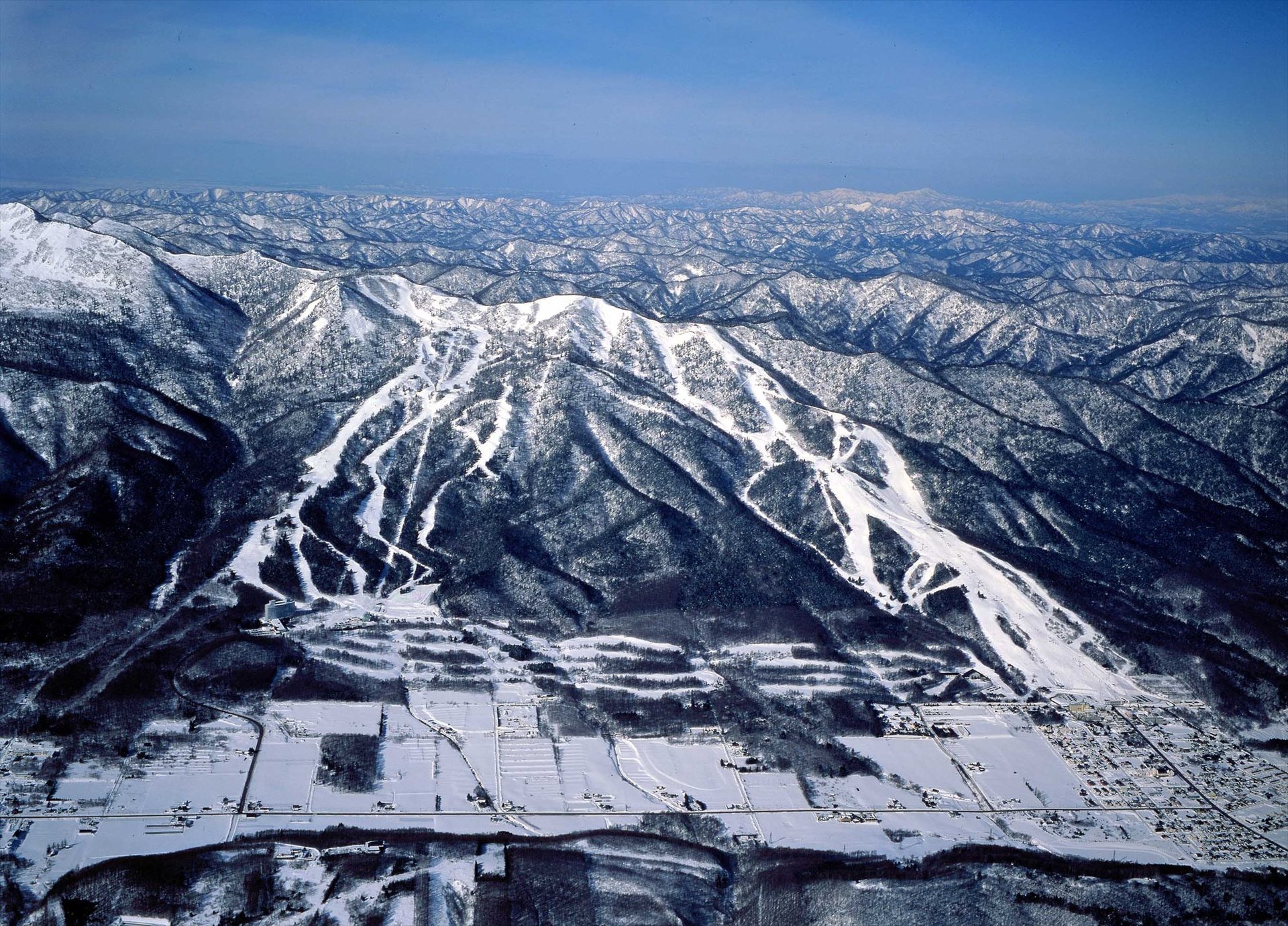
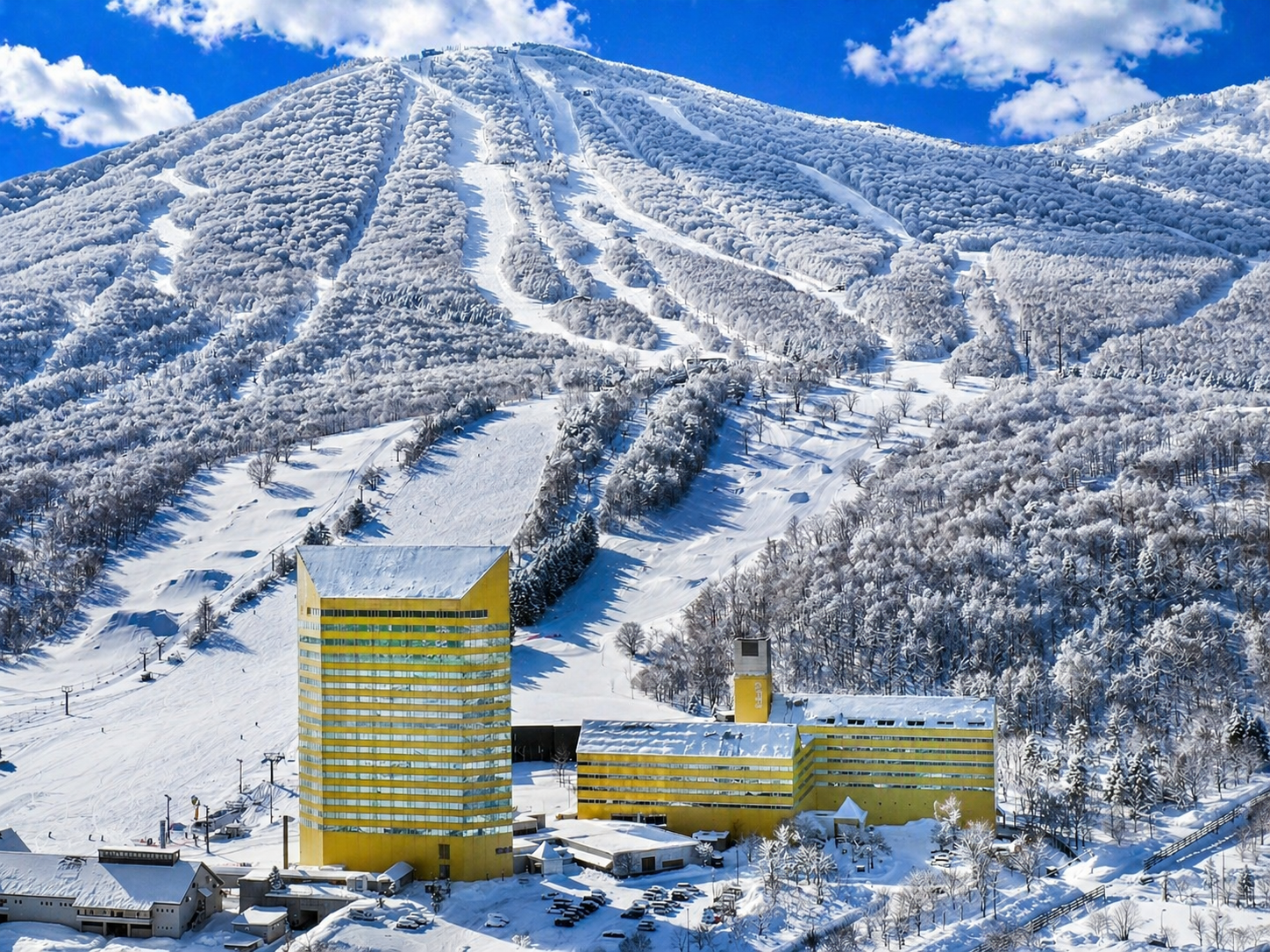
Explore each full review for a deeper look at what each resort has to offer.
Resort Comparison
Vibe check
Furano feels like a ski trip with a proper town attached, which changes the rhythm of the whole holiday. You have Kitanomine as the more obvious ski base, but the wider Furano area gives you supermarkets, local restaurants, regular town life, and a bit more sense that people live here year-round rather than just servicing winter guests. That gives the trip more texture, even if it also adds a touch more movement and planning.
Appi Kogen is tidier and more contained. It is the sort of place where you can wake up, click in, ski, eat, soak, sleep, and repeat without thinking too hard. That is not a criticism. For a lot of people, especially families or groups who do not want daily logistics meetings, that is exactly the appeal.
The trade-off is character. Furano has more loose ends, but those loose ends can be the good stuff: a better ramen spot, a less polished but more memorable little bar, a stronger sense of being in actual Japan rather than in ski-resort mode the whole time. Appi is more serene, more controlled, and more convenient, but it can feel a little sealed-off once you have done your laps and had dinner.
So the vibe winner depends on what kind of trip you want. If you like your Japan ski holidays with a bit of local life around the edges, Furano wins. If you want calm, comfort, and a resort that keeps things simple, Appi Kogen is very hard to dislike.
Snow and weather
Estimated cumulative fresh snowfall at major on-mountain ski areas; actual totals vary substantially by resort, elevation, measurement location, and season.
This is not a showdown between two mega-storm magnets. Furano and Appi both sit in that sweet spot where the snow quality is usually excellent, but the story is less about absurd totals and more about how skiable the mountain stays day after day. That makes this pairing interesting, because both places often deliver very good snow without the full chaos of the deepest powder hotspots.
Furano gets the Hokkaido card, and that matters. The snow often feels colder, drier, and lighter underfoot, especially in the heart of winter. Even when the fresh stuff is not piling up in headline-grabbing fashion, the cold preserves surfaces well, and groomers can stay chalky and fast rather than turning sloppy.
Appi’s snow quality is also strong, but the experience is a little different. It tends to feel more measured and more resort-friendly, with long groomed runs that hold shape well and fewer days where the weather feels like it is trying to slap you around for sport. That makes Appi especially appealing for skiers and riders who want good snow but still want to see where they are going.
If the question is pure powder prestige, Furano gets the nod. If the question is dependable, comfortable skiing in good snow without too much weather drama, Appi closes the gap nicely. Furano wins the section, but Appi is no consolation prize.
Where you stay
Furano gives you more ways to build the trip. Stay in Kitanomine and you are closer to the ski action, with a decent cluster of pensions, apartments, and hotels. Base yourself a little wider and you tap into the real city side of Furano, where the trip can feel less resort-priced and more grounded in everyday Japan.
That flexibility is good for value and atmosphere, but it is not always as neat. Some stays are properly convenient, some are a short shuttle or taxi hop away, and some look closer on a map than they feel when you are carrying skis in the dark. Furano rewards choosing your base carefully.
Appi is the opposite. Staying there usually feels very straightforward. You are in resort territory, the infrastructure is more obviously built around skiers, and the best-known stays lean into that ski-hotel ease. For families, shorter walks and fewer moving parts can be worth a lot more than a trendy apartment listing with character.
The downside is that Appi can feel narrower in both choice and mood. You are more likely to pay for convenience because convenience is the whole product. Furano wins for range and flexibility. Appi wins for simplicity and sleep-in, walk-out comfort.
Terrain and tree skiing
Furano has more bite. It is not some enormous labyrinth of linked zones, but it skis better than it looks on paper, especially if you like fall-line turns, a bit of speed, and terrain that feels more serious than playful. Strong intermediates can step up nicely here, and advanced skiers and riders will usually find more to keep them interested than they first expect.
There is also a sharper edge to the mountain’s personality. The steeper sections, the colder surfaces, and the slightly more direct feel of the skiing make Furano more appealing if you like a resort with a bit of spine. It feels built for people who want to ski properly, not just cruise gently from lunch stop to lunch stop.
Appi Kogen is more of a rhythm mountain. The long groomers are a big part of the draw, and if you love opening it up on wide, smooth pistes, Appi is seriously satisfying. It also has tree skiing and off-piste appeal, but the overall feel is more controlled and less naturally punchy than Furano.
That makes Appi brilliant for confident intermediates, families with progressing teens, and anyone who rates long, fast, confidence-building laps. But if you want the more engaging mountain for stronger skiers and riders, Furano is the better bet. It has more teeth, even if Appi is arguably easier to love from lap one.
Crowds and lift flow
This is where Appi Kogen lands a clean one. It is one of those resorts that often feels calmer than its quality suggests it should. You can spend a day there thinking, why is this not busier, and then happily decide not to ask too many questions. For people who hate spending half the morning in lines, Appi’s quieter flow is a real selling point.
The lift layout also suits the resort’s whole personality. It is not trying to be chaotic or overly clever. You get on with the job, tick off long laps, and spend more time skiing than navigating. That matters more than people admit, especially on a week-long trip when cumulative faff starts to wear thin.
Furano is not a circus, but it is more likely to feel concentrated around the obvious access points and popular sections. When fresh snow lands, people know where to go, and the better zones can get their fair share of attention early. That does not ruin the day, but it does mean Furano can feel more competitive when the skiing is at its best.
If you like a resort that feels smooth and under control, Appi wins this section comfortably. Furano still works well, but it has more of that classic rush to the good stuff. Appi feels more relaxed from first chair to last lap.
Cost and value
Furano is usually the easier place to keep sensible. Not cheap, because Japan ski holidays stopped being a secret a long time ago, but easier. There are more ways to mix and match where you stay, what you eat, and how often you splurge. That matters when you are travelling with a crew, a family, or simply a realistic view of what holidays cost once the transfer emails start rolling in.
It also helps that Furano has more real-town support behind it. Convenience stores, local eateries, and less resort-packaged daily life give you more escape hatches from premium ski pricing. You can still spend plenty if you want to, but you are not forced into it every waking hour.
Appi’s value story is more complicated. On one hand, the uncrowded slopes, comfortable hotels, and easy on-mountain routine can make the whole holiday feel efficient and smooth, which absolutely has value. On the other hand, resort-contained convenience has a habit of charging like it knows you are already there.
So the answer depends on what you mean by value. If you mean stretching the budget without feeling miserable, Furano is better. If you mean paying a bit more for a cleaner, lower-stress experience, Appi has a case. Furano takes the section because it gives you more control over your spend.
Food and nightlife
Furano is the more enjoyable place to eat, full stop. It has a better mix of local joints, casual dinners, izakaya-style options, and places that feel like they exist for more than just winter trade. That gives your nights more variety, whether you want a quick bowl of something hot after skiing or a proper dinner that does not feel like it was designed by the resort marketing team.
Nightlife here is not wild in the big-resort sense, but it has enough life to keep a trip ticking over. You can have a few drinks, wander between spots, and get that satisfying feeling of being on holiday somewhere with a pulse. For a mates trip, that matters.
Appi is quieter, and that is either a feature or a flaw depending on your crew. Evenings lean more toward resort dining, hotel bars, and a generally calmer tempo. If your ideal night is dinner, onsen, bed, Appi is absolutely in its lane. If you want the chance of a proper second venue, it is less convincing.
Furano wins this section with room to spare. Appi is perfectly pleasant, but Furano gives you more choice, more flavour, and more reasons to stay awake after dinner.
Logistics
Furano is one of those resorts that feels easier once you understand the map. The nearby airport option helps, and it also fits neatly into a broader Hokkaido trip if you want to combine city time, other regions, or a road trip. That flexibility is a quiet strength, especially for Aussie and Kiwi travellers trying to make the most of one Japan run.
The catch is that Furano is not fully spoon-fed. Depending on where you stay, you may still need to think about transfers, base area choice, and how often you want to move between the ski side and the city side. It is manageable, but it is not fully autopilot.
Appi can be very smooth once you are on the rail-and-transfer path. The route in is quite logical, and the resort itself takes over nicely after that. The trouble is that it can feel like one more link in the chain for travellers already stacking flights, trains, and luggage into the same day.
That makes Furano the easier all-round recommendation for shorter international trips or people building a wider itinerary. Appi works well when you are happy to commit to the resort and let it do its thing. For flexibility, Furano wins. For contained, in-resort ease after arrival, Appi has its own quiet strength.
The X-factor
Real-town energy vs resort cocoon
This pairing comes down to where the trip lives once your skis are off. Furano gives you a ski holiday that spills into an actual Japanese town. That means the best part of the day is not always just the skiing. Sometimes it is the post-lift wander, the better dinner than expected, or the feeling that your trip has a bit more local life around it.
Appi Kogen is more of a winter bubble, and for some people that is the dream. Everything is closer to the same page. Less friction, less hunting around, fewer decisions. It is a resort built to help you switch off, which is brilliant if your normal life already has enough moving parts.
There is also a subtle mindset difference. Furano asks a bit more from you, but gives back a richer sense of place. Appi asks less from you, and rewards that with calm, comfort, and easy flow. One feels a little more alive. The other feels a little more polished.
That is the real separator. Not who has the best groomer or the better lunch. It is whether you want a ski trip with more local texture or a ski trip that wraps you in resort convenience and lets the outside world fade away.
The tiebreaker
Pick Furano if you want the stronger all-round Japan feel, better food options, better value flexibility, and a mountain with a bit more bite.
Pick Appi Kogen if you want an easy, polished, uncrowded ski week with long cruisers, clean logistics on the ground, and very little daily faff.
FAQ
Is Furano or Appi Kogen better for first-timers to Japan?
Appi Kogen is usually the easier first-timer pick because the whole place is more self-contained and straightforward. Furano is still very doable, but it makes more sense when you are happy dealing with a slightly broader town-and-resort setup.
Which is better for powder, Furano or Appi Kogen?
Furano gets the edge for powder reputation because of that classic cold, dry Hokkaido snow quality. Appi still delivers very good snow, but it is more of an underrated quality-skiing resort than a place people obsess over for storm-day bragging rights.
Is Appi Kogen good for advanced skiers?
Yes, especially if you enjoy long fast laps, good piste quality, and a quieter mountain. But if you want the more naturally engaging terrain and a touch more edge to the skiing, Furano is usually the stronger call.
Which resort is better for families?
Appi Kogen is better for families with younger kids because the resort setup is calmer and more convenient. Furano becomes more interesting for families with older kids or teens who want a bit more town life and stronger terrain variety.
Is Furano cheaper than Appi Kogen?
Furano is usually the easier place to keep costs under control because you have more accommodation styles and more non-resort dining. Appi can still be worth the spend, but it is more likely to feel like you are paying for convenience and polish.
Which has better food and nightlife?
Furano, comfortably. It has more range, more local flavour, and more chance of finding somewhere memorable beyond the resort formula, while Appi tends to wind down into a much quieter hotel-based evening scene.
When is the best time to ski Furano or Appi Kogen?
Midwinter is the sweet spot for both if your priority is cold snow and the best chance of quality conditions. Furano especially shines when the temperatures stay low, while Appi is a great option if you want strong snow quality without quite as much weather chaos baked into the experience.