

岐阜
Gifu

Where is it snowing in Gifu ?
Compare live snowfall and the next 48 hours across 9 resorts in Gifu.
Stormy locals, Hida culture, and onsen recovery missions.
Gifu is one of those prefectures that quietly delivers a proper Japow trip without the hype tax. Winter here is all about snow sports, and the action clusters around Gujo and Takayama, with those classic snowy mountain-town vibes when the storms roll through.
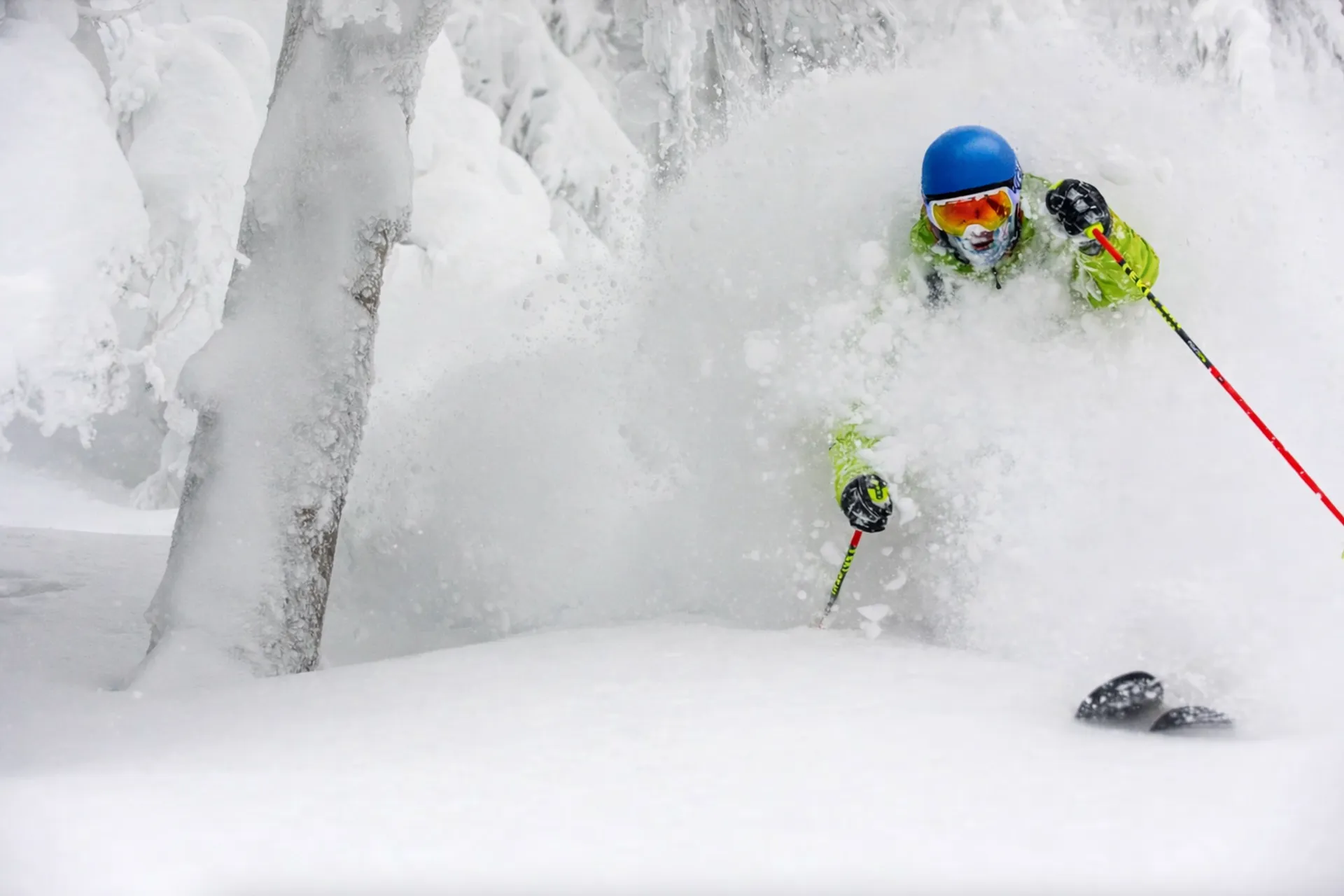
The headline move is Gujo’s Takasu zone: it’s basically a build-your-own ski safari. You’ve got a stack of resorts close together, plenty of variety, and the kind of road-trip energy where you pick the best aspect on the day and just send it. The Takasu Mountains area even bundles multiple resorts under one umbrella with a multi-resort lift pass and shuttle buses, so it’s made for hop-on hop-off powder hunting.
Then up north, Takayama and the Hida region add the good stuff: old-town streets, cozy bars, proper food, and that post-ski glow that hits different when everything’s dusted white. It’s the kind of place where you can ride during the day and still feel like you’re traveling, not just skiing.
Where to base yourself depends on your mission. Takasu/Gujo is your storm-chasing hub with fast access to a bunch of hills. Takayama is the culture-and-comfort play (and a great hub for exploring northern Gifu). Gero Onsen is the recovery base if you want your nights to be hot springs, good meals, and early bed energy.
Insider tip: If you’ve got a rental car, treat Gifu like a choose-your-own-adventure. Pick a base, then chase whichever zone is getting the fattest refills that day. The resorts are close enough that this actually works.
All Gifu Reviews
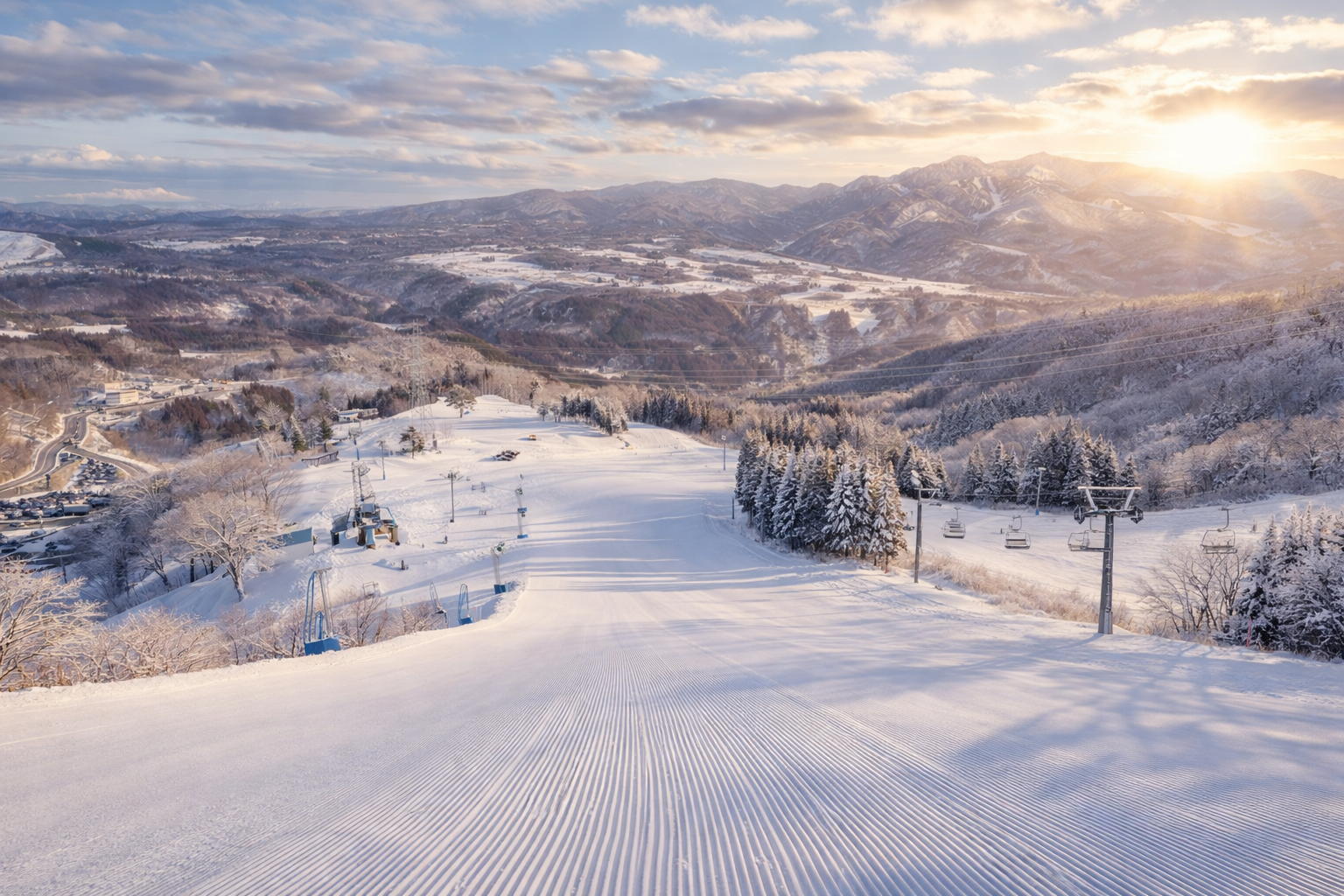
Dynaland
Big Gifu groomers with sneaky tree stashes
7.9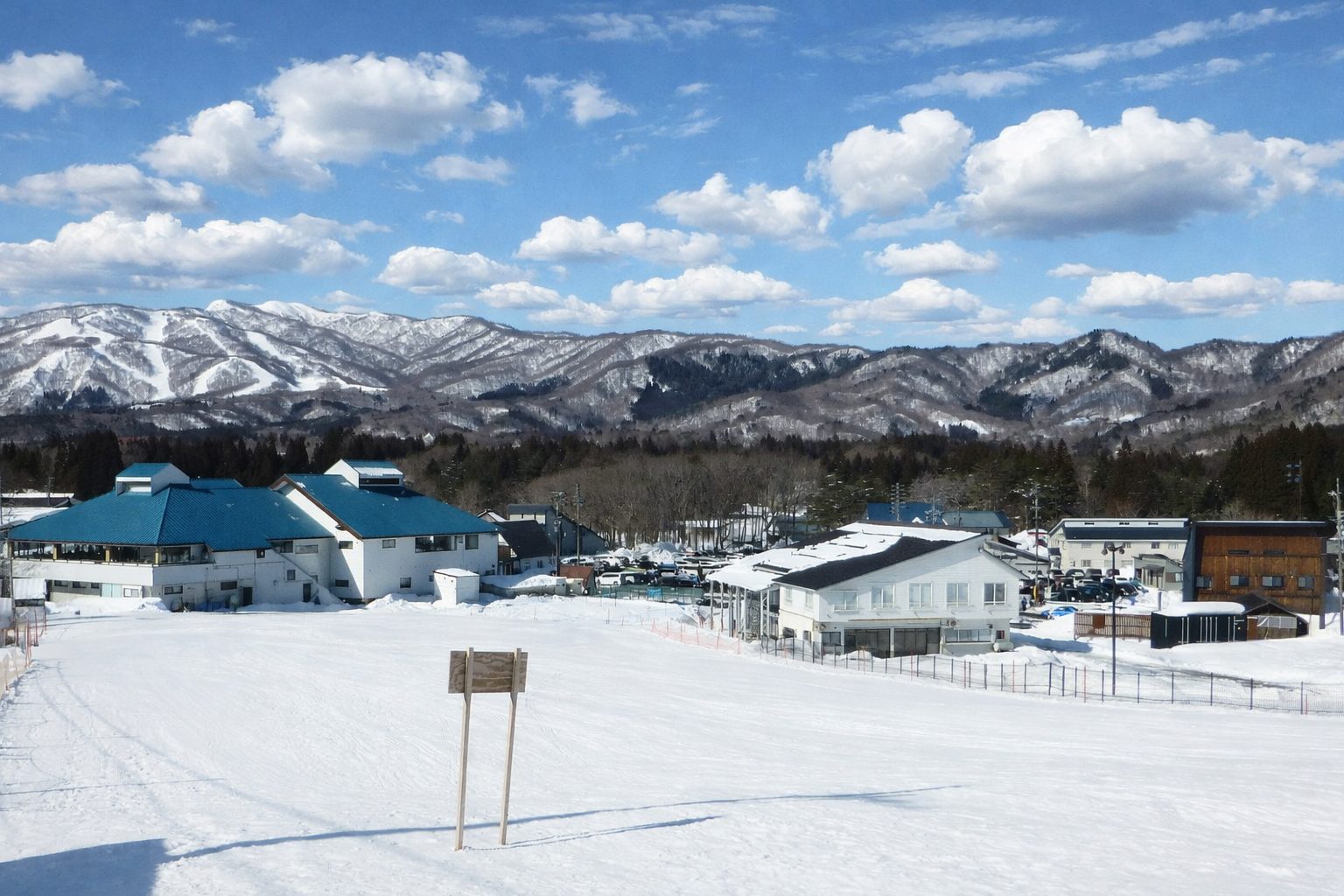
Hirugano Kogen
Mellow groomers with sneaky storm-day joy
7.6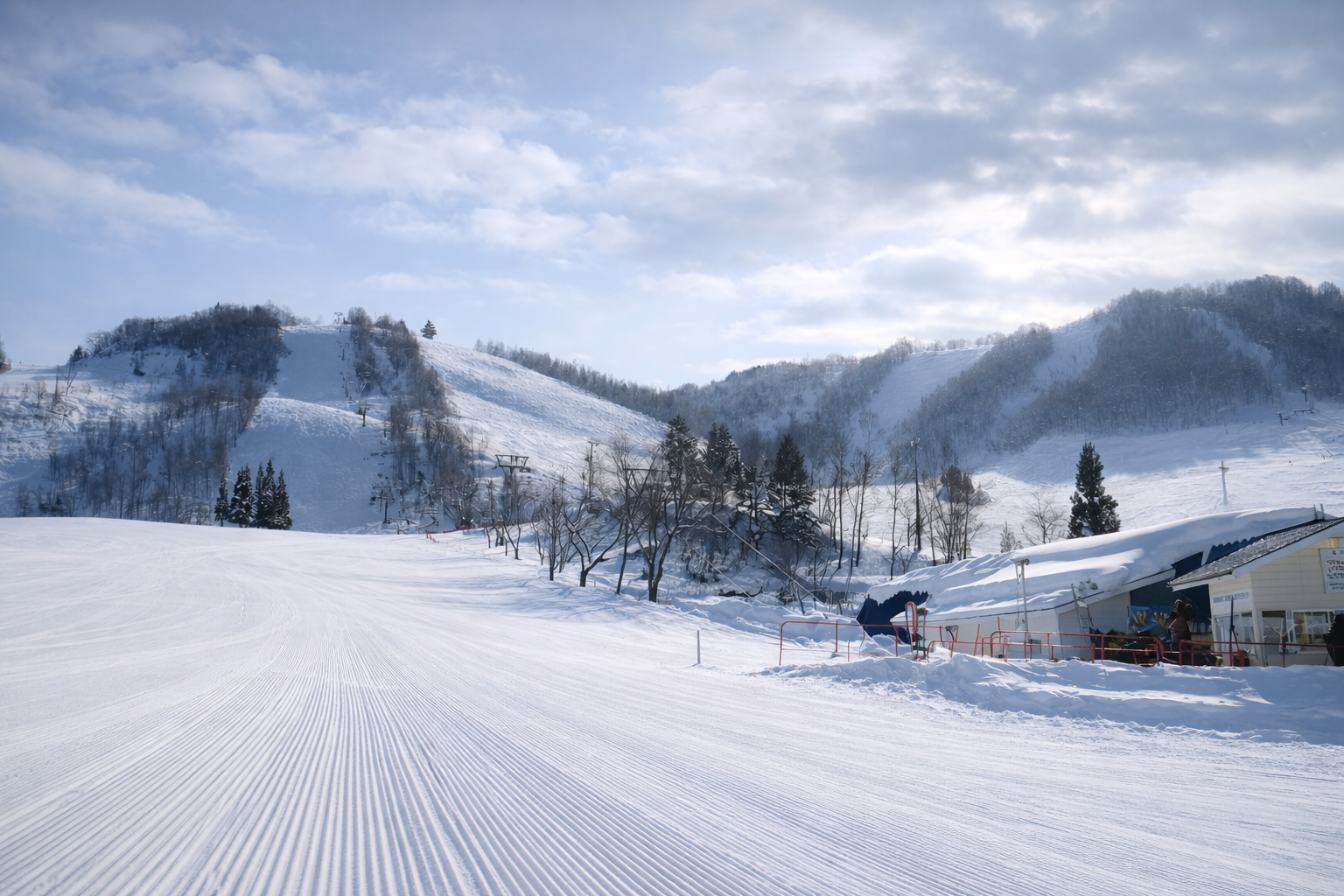
Honoki Daira
Big-mountain width, small-mountain fuss
8.1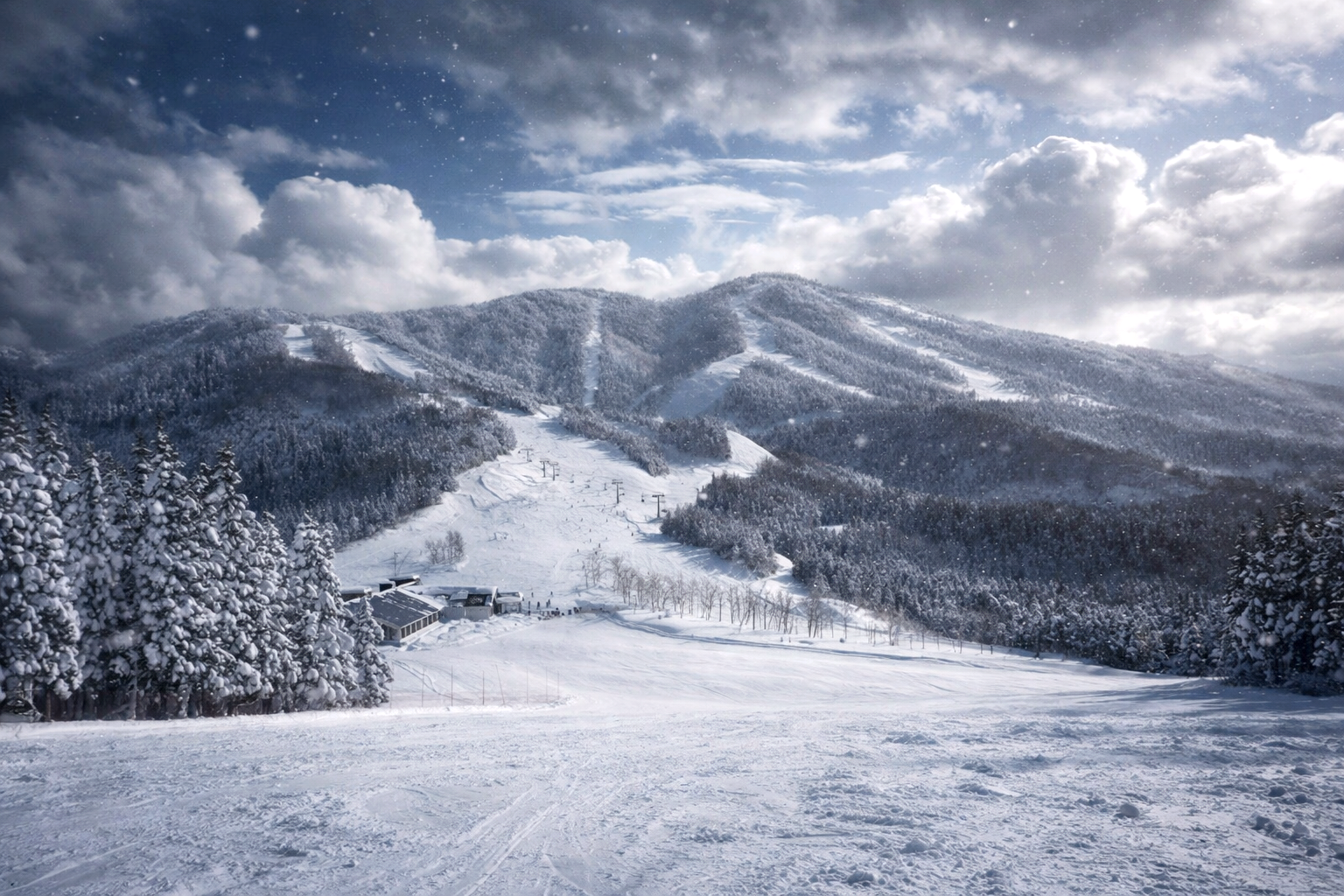
Meiho
Okumino’s groomer highway with sneaky storm-day trees
8.1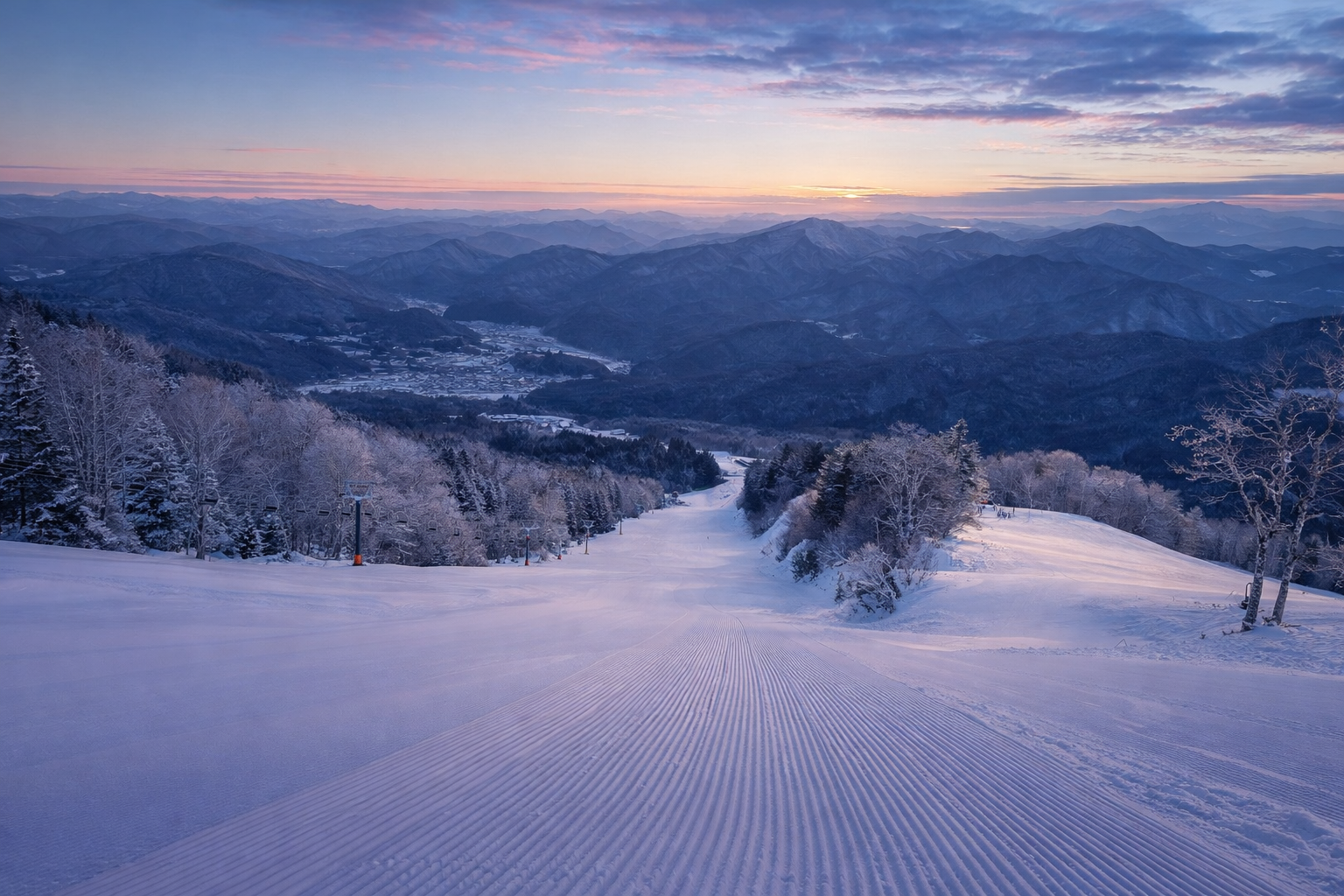
Star Spur Ryokufu Resort Hida Nagareha
Hida’s quiet powder playground
8.0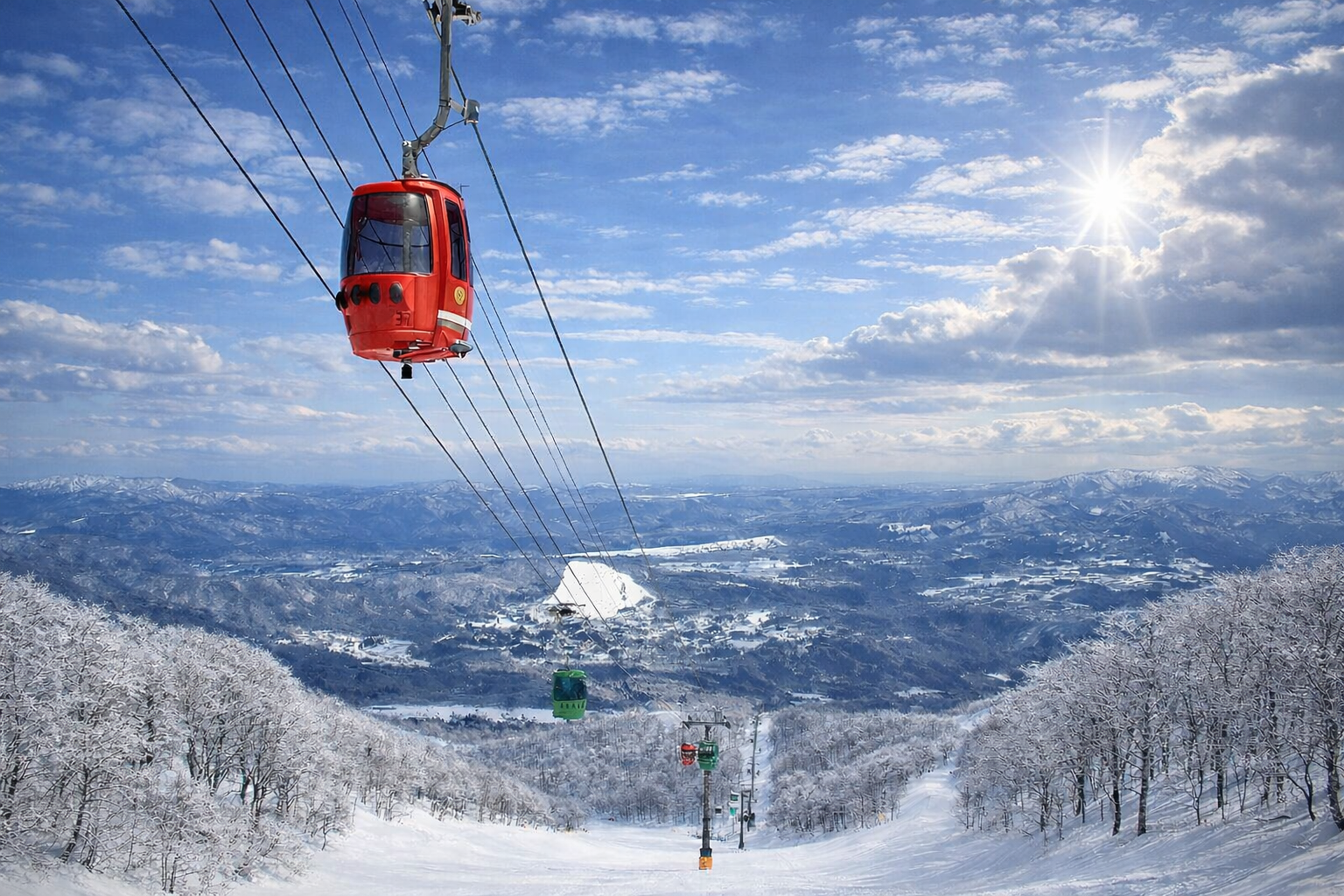
Takasu Snow Park
Big groomers, bigger parks, and easy days from Nagoya
8.0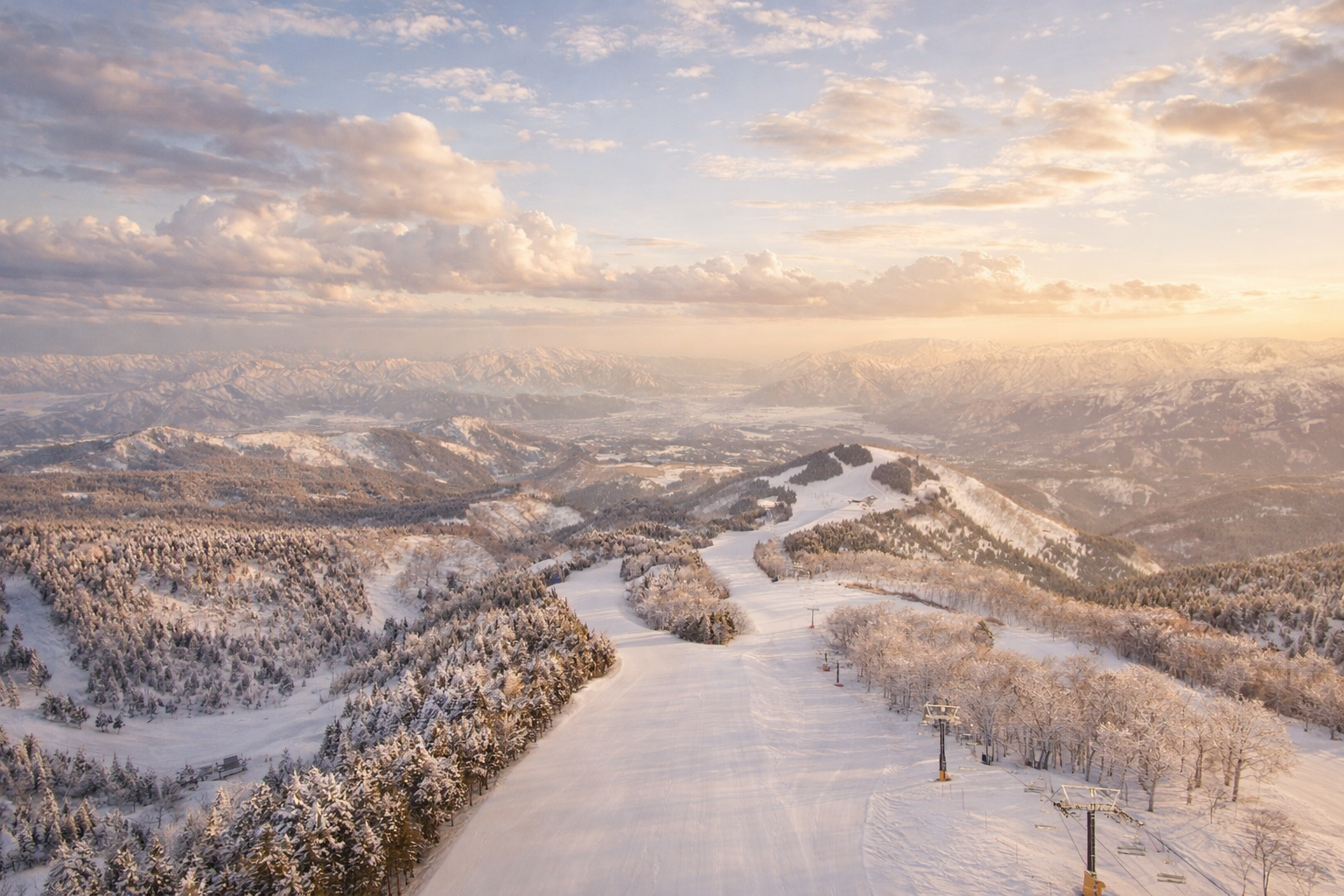
Washigatake
The Okumino night mission that keeps delivering
8.0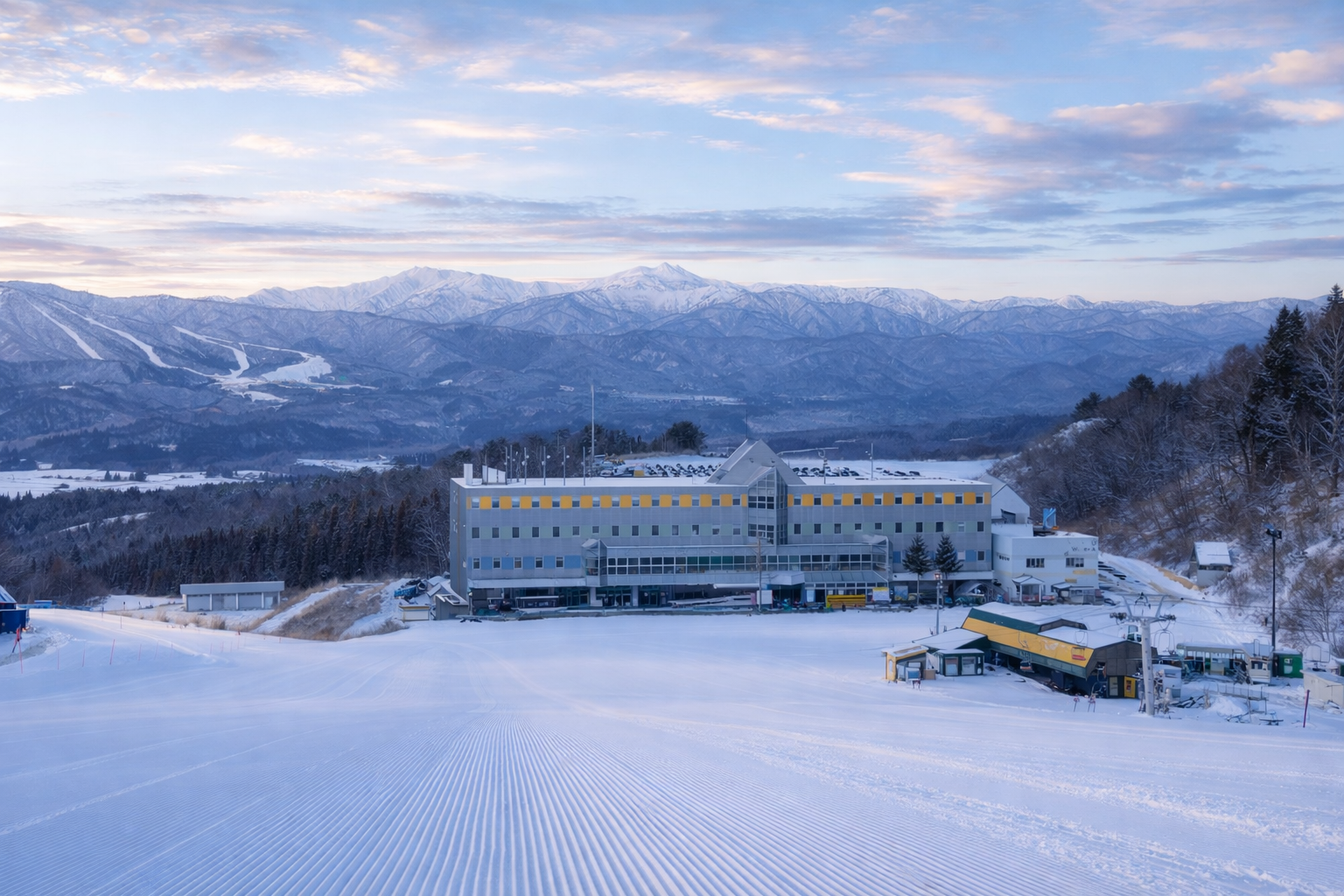
White Pia Takasu
Takasu’s quiet storm-day groomer stash
7.9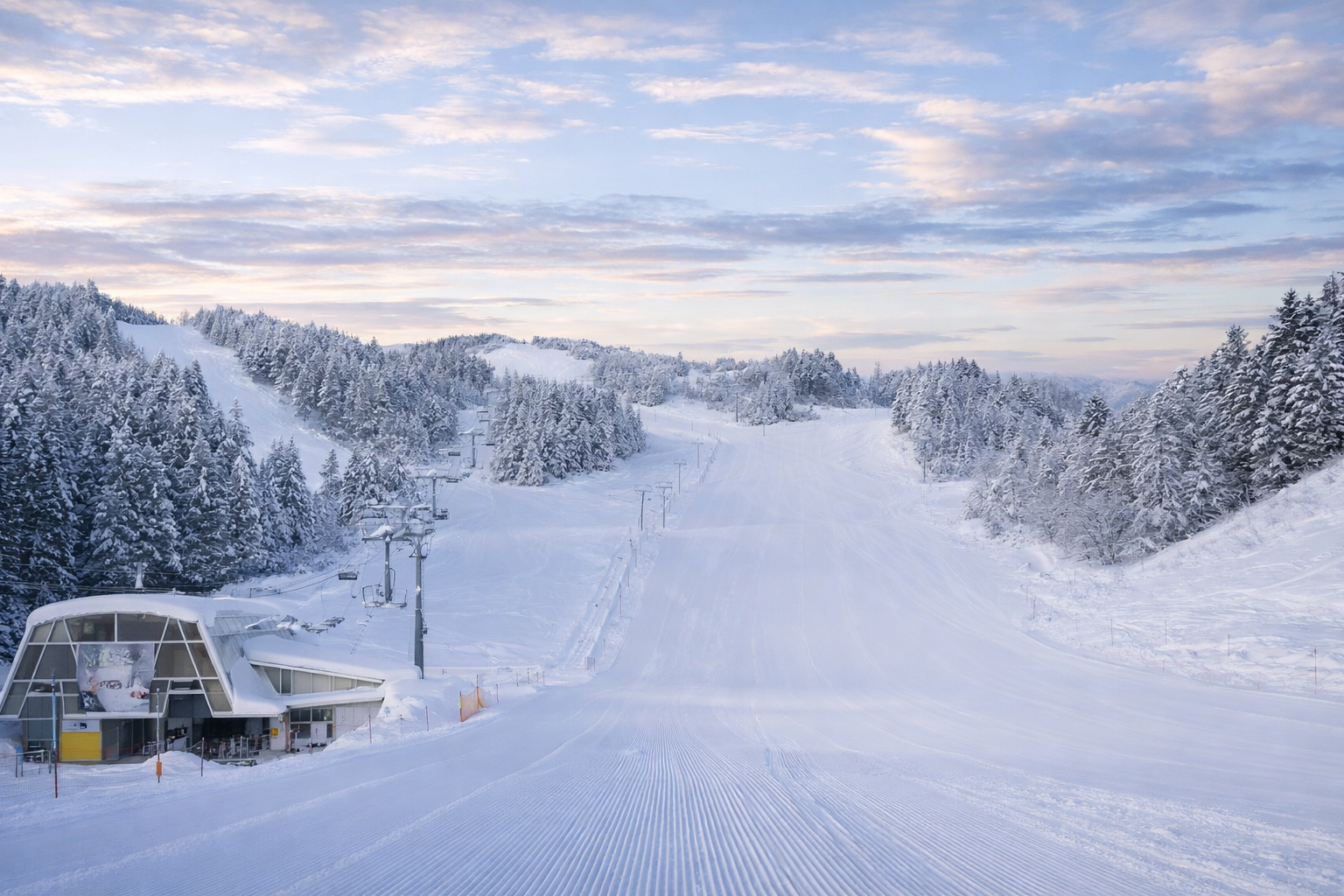
Winghills Shirotori
Gifu’s gondola-powered storm chaser
8.2
Getting There
- Fly into Chubu Centrair (Nagoya) for a clean run into southern/central Gifu.
- Nagoya is the main jump-off point for Gifu, with rail and buses feeding the prefecture.
- Takayama by train: frequent services from Nagoya, arriving in just over two hours.
- Gero Onsen by train: about 1h 45m from Nagoya on the JR Hida Express.
- Driving into Takasu/Gujo is straightforward via expressways, and it’s the easiest way to bounce between resorts and time your storm days.
When to Go
- Mid-January to late February is the prime window for colder temps and more consistent refills.
- Early season (December): fewer crowds, but conditions can be hit-and-miss depending on the year.
- Spring (March): longer days, more sun breaks, and a mix of soft snow and fresh top-ups.
- Some Takasu-area resorts can run from early December into late April when the snow cooperates, so don’t write off late-season missions.
Money & Logistics
- If you’re riding the Gujo/Takasu cluster, look for multi-resort lift options that let you sample multiple mountains (huge value for a longer stay).
- Night skiing is a real thing here, which can stretch your value if you’re happy riding under the lights.
- Budget for expressway tolls + winter fuel, and don’t cheap out on proper winter tires if you’re driving.
- Bring a bit of cash for smaller spots (parking, cafeterias, mom-and-pop joints), even though cards are improving.
- Plan for onsen time. Consider it part of the cost, and part of the reason Gifu hits so good.
Language & Etiquette
- A little Japanese goes a long way: sumimasen (excuse me), arigato (thanks), onegaishimasu (please).
- Onsen rules matter: wash first, keep towels out of the water, and keep it mellow and quiet.
- Follow resort boundary signage and local rules. Japan is friendly, but they take safety and closures seriously.
- Keep gondola and bus vibes respectful: low volume, tidy gear, no chaos in the queue.
Nearby Adventures
- Shirakawa-go & Gokayama: UNESCO-listed historic villages that look unreal when the snow stacks up.
- Takayama old town: wander, snack, warm up, and pretend you’re not sore.
- Gero Onsen: one of Japan’s famous hot spring towns, perfect for a recovery night.
- Shinhotaka Ropeway (Okuhida): ride up into the Japanese Alps for big views and deep-winter scenery.