9.2
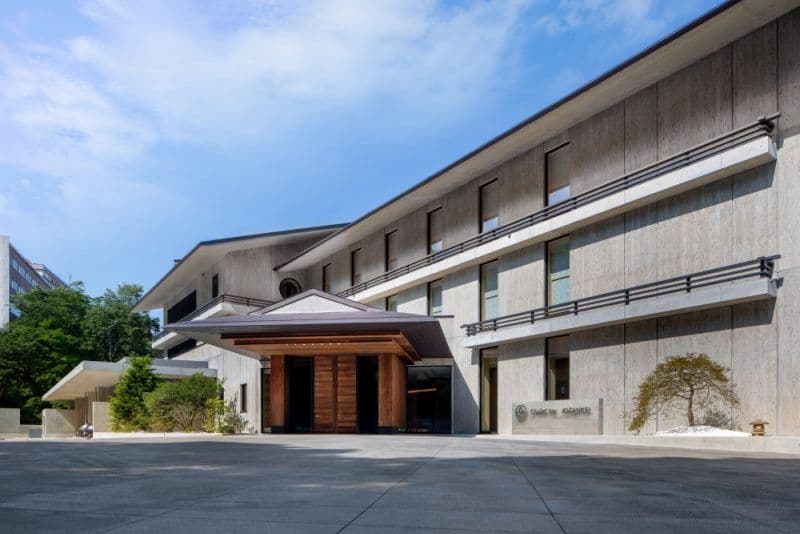
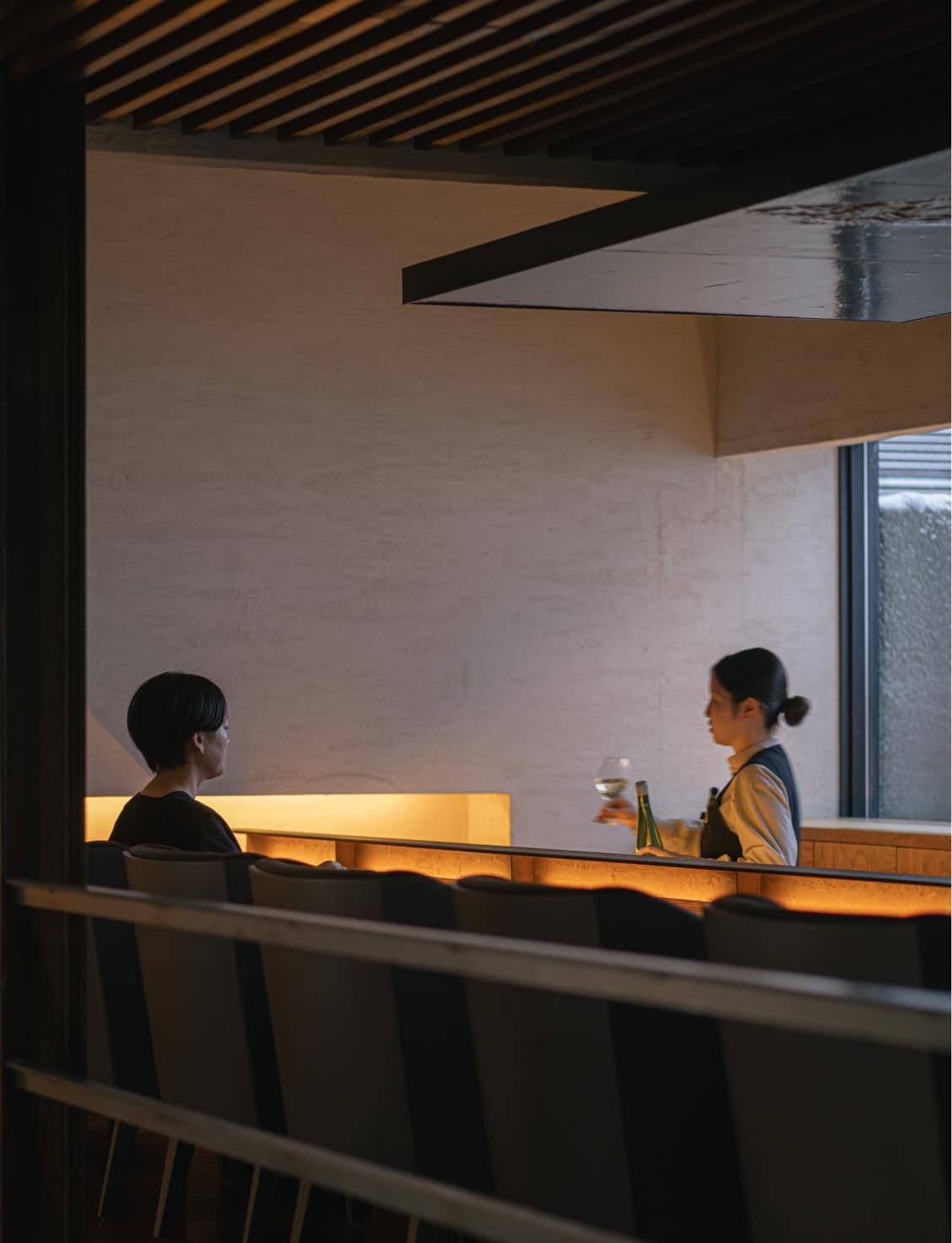
Solaria Nishitetsu Hotel Sapporo
A stylish central Sapporo hotel near the station and Odori, strong for couples who want city comfort before or after a Kiroro ski day.
$$$

View rates


Sapporo is not a ski resort town. There are no chalets lining the piste, no gondola rising from the main street and very little chance of skiing directly back to your hotel.
That is precisely why it works.
Base yourself in the city and you can ski proper Hokkaido powder during the day, then return to ramen alleys, izakayas, breweries, shopping and more hotel choice than every major Japanese ski village combined. Instead of committing to one mountain for a week, you can follow the weather between Sapporo Teine, Sapporo Kokusai, Bankei, Moiwa and the smaller ski areas around Otaru.
The compromise is daily travel. Skiing from Sapporo means buses, train connections or winter driving, and there is no ducking back to your room when your gloves are still sitting beside the heater. It works best for travellers who want Hokkaido snow without giving up the food, nightlife and flexibility of a major city.
Where you stay matters. Central Sapporo is the strongest all-round base. Jozankei puts you closer to Sapporo Kokusai and swaps nightlife for onsen. Otaru works for Tenguyama, Asarigawa and western Hokkaido road trips. Staying in Asarigawa itself delivers the quietest experience, but a car becomes much more useful.
Travel times are approximate from central Sapporo in winter. Heavy snowfall and road conditions can push them out.
Approximate drive times from central Sapporo in winter. Heavy snowfall and road conditions can push them out.
Time from Sapporo: ~45 minutes
The strongest all-round ski area close to the city. Olympia has beginner and intermediate terrain, while the higher Highland Zone brings better snow, steeper runs and the old Olympic courses.
Time from Sapporo: ~75 minutes
Time from Jozankei: ~30 minutes
Usually the snowiest major resort near Sapporo. The terrain is not enormous, but frequent refills, ungroomed edges and tree-lined slopes make it the best nearby option for powder-focused riders.
Time from Sapporo: ~30 minutes
A compact local hill with night skiing, terrain parks and family-friendly slopes. It is best for an arrival day, evening session or a few easy turns rather than a full ski holiday.
Time from Sapporo: ~30 minutes
A small ski-only mountain with convenient city access and excellent views over Sapporo. It suits relaxed half-days and night sessions, but snowboarders cannot ride here.
Time from Sapporo: ~80 minutes
Time from Otaru: ~20 minutes
A small but surprisingly steep hill above Otaru, with port views and night skiing. It is best for a storm session or shorter ski day rather than several consecutive days.
Time from Sapporo: ~70 minutes
Time from Otaru: ~20 minutes
A quieter local resort with sheltered slopes and an onsen district nearby. It works well for families, intermediates and riders building a broader western Hokkaido itinerary.
Time from Sapporo: ~50 minutes
A small coastal ski area known for night skiing and sea views. The terrain is limited, but it is useful when you want a shorter session close to the city.
Time from Sapporo: ~105 minutes
Time from Otaru: ~55 minutes
Kiroro is possible as a day trip, but it is far enough away to deserve separate accommodation planning. See our full Kiroro accommodation guide for ski-in ski-out hotels, resort condos and nearby alternatives.
Central Sapporo is the best base for most ski trips. You have direct airport trains, seasonal resort buses, rental shops and enough accommodation to cover almost every budget. When the weather changes, you can switch between Teine, Kokusai and the smaller city hills without moving hotels.
The area around Sapporo Station is the most practical location for skiers. It gives you easy access to airport trains, rail connections towards Teine and many of the winter bus departure points. It is not Sapporo’s liveliest neighbourhood, but early starts are considerably easier when your transport leaves nearby.
Odori is the best compromise between skiing and city life. It sits between Sapporo Station and Susukino, with strong access to restaurants, shopping and the subway. Couples and groups who want to explore the city after skiing will generally find it more interesting than staying directly beside the station.
Susukino has the best nightlife, late-night food and bar scene. It also adds extra travel to early morning departures. Stay here when restaurants and après matter almost as much as first tracks.
Central Sapporo is less appealing when one mountain is the sole focus. Repeating a long bus journey to Sapporo Kokusai every day can start to feel like commuting. For a varied trip, however, the city is hard to beat.
This page contains affiliate links, if you book through them, we may earn a small commission at no extra cost to you.
Jozankei sits in a steep river valley on the southern edge of Sapporo. It feels far removed from the city centre, with hot-spring hotels, forested hills and evenings built around dinner and a long soak.
Its main advantage is access to Sapporo Kokusai, which is around 30 minutes away. Winter buses operate between the town and ski area, although the timetable is more limited than services from central Sapporo. A car gives you more control over first lift, weather changes and the trip back.
Most accommodation in Jozankei is in ryokans or larger onsen hotels. Rates often include breakfast and dinner, so prices can look high beside a simple Sapporo room. Once meals and hot-spring access are included, the gap is not always as large as it first appears.
There is little nightlife outside the hotels. Jozankei suits travellers who want to ski, eat, soak and sleep rather than search for another bar at midnight. It is excellent for several focused days at Kokusai, but less convenient for Teine or the Otaru ski areas.
This page contains affiliate links, if you book through them, we may earn a small commission at no extra cost to you.
Otaru is smaller, quieter and more atmospheric than Sapporo. Its canal, old warehouses and steep snow-covered streets give it a stronger sense of place, while the seafood and compact restaurant scene make evenings easy.
It is also a useful ski base. Otaru Tenguyama is around 20 minutes away, while Asarigawa Onsen is also within easy reach. Snow Cruise Onze sits between Otaru and Sapporo, and Kiroro becomes a realistic day trip with a rental car or suitable shuttle.
Tenguyama is too small to carry an entire ski week, while Asarigawa is better for families and intermediates than advanced riders chasing major terrain. Otaru works because it gives you access to several different hills rather than one dominant resort.
Staying near Otaru Station is the easiest option without a car. The canal area has more character, but check the walking distance carefully if you are carrying skis or relying on early buses. For travellers driving each day, hotels around Otaru-Chikko can provide easier parking and quicker road access.
Otaru makes an excellent second base after several nights in Sapporo. You lose some nightlife and hotel choice, but gain shorter access to western ski areas and a more relaxed finish to the trip.
This page contains affiliate links, if you book through them, we may earn a small commission at no extra cost to you.
Asarigawa Onsen sits in the hills behind Otaru, close to its local ski area and away from the busier city centres. The atmosphere is slow and low-key, with forested accommodation, hot springs and very little happening after dinner.
The ski area itself is friendly rather than fierce. It has enough sheltered terrain for families, intermediates and casual powder days, but stronger riders should treat it as part of a wider road trip rather than the only mountain they plan to ski.
A rental car is strongly recommended. It makes the local resort easier to reach and opens day trips towards Otaru Tenguyama, Snow Cruise Onze and Kiroro. Without one, you will spend more time working around limited transport and meal options.
Asarigawa is best for two or three nights, particularly between stays in Sapporo and Otaru. It gives you a quieter slice of Hokkaido without committing the whole trip to a small local hill.
This page contains affiliate links, if you book through them, we may earn a small commission at no extra cost to you.
First Sapporo ski trip: Stay near Sapporo Station or Odori.
Sapporo Kokusai is the priority: Stay in Jozankei.
Skiing without a car: Central Sapporo.
Restaurants and nightlife: Odori or Susukino.
Families: Central Sapporo for flexibility or Jozankei for an onsen-hotel stay.
Couples: Odori, Otaru or a smaller Jozankei ryokan.
Tenguyama and Asarigawa: Stay in Otaru.
Western Hokkaido road trip: Otaru or Asarigawa Onsen.
Kiroro is the main target: Stay at Kiroro or follow our dedicated Kiroro accommodation guide.
You can ski from Sapporo without renting a car. Sapporo Teine can be reached using trains, buses and taxis, while seasonal services connect central Sapporo with Kokusai and other nearby mountains.
The limitation is flexibility. Direct ski buses run to fixed schedules and may require reservations. When wind, snowfall or visibility changes overnight, you cannot always switch mountains at the last minute.
A car becomes more useful when staying in Otaru or Asarigawa, travelling with children, or chasing conditions across several smaller ski areas. It also makes Kiroro and the western side of Sapporo far easier to combine.
Winter driving in Hokkaido deserves respect. Rental vehicles come with winter tyres, but roads can still be icy and visibility can disappear quickly. Leave more braking distance, avoid rushing and allow time to clear snow from the car each morning.
Sapporo has an enormous hotel inventory, but the best-value rooms near Sapporo Station and Odori still fill during January and February. Family rooms and larger apartments are usually the first to disappear.
Jozankei has fewer properties, particularly at the luxury end. Rooms with private onsen and accommodation packages that include dinner should be booked well ahead for peak winter dates.
Otaru becomes especially busy during winter festivals, public holidays and weekends. Central hotels near the station and canal can sell out even when rooms remain available in Sapporo.
For January and February travel, begin looking around six to nine months ahead. Refundable reservations give you room to adjust the itinerary as transport and ski plans become clearer.
Choose Sapporo for the widest hotel range, easiest airport access, stronger nightlife and better access to Teine, Kokusai and the city ski hills.
Choose Otaru for Tenguyama, Asarigawa, western road trips and a quieter town with more historic atmosphere.
Sapporo is the better all-round base. Otaru works best as a second stop or for travellers concentrating on the western side of the city.
Yes. It works particularly well for travellers who want to combine several ski areas with city restaurants, nightlife and a large choice of hotels. It is less suitable for anyone set on ski-in ski-out convenience.
Stay near Sapporo Station. It provides the easiest train, bus and taxi connections while keeping airport access and restaurant options simple.
Stay in Jozankei for the shortest transfer. Choose central Sapporo when you want more restaurants, nightlife and the freedom to ski other mountains.
There is no substantial slope-side accommodation village. Most visitors travel from Jozankei or central Sapporo.
Yes, particularly for Tenguyama, Asarigawa and western Hokkaido day trips. It is less convenient for repeated days at Sapporo Teine or Bankei.
Yes. The main ski areas can be reached using trains, public buses and seasonal resort services. A car becomes more valuable when visiting smaller hills or changing plans according to the weather.
Kiroro can be visited from Sapporo, but the transfer is long for repeated days. Otaru, Asarigawa or accommodation at Kiroro itself usually makes more sense. See the Kiroro accommodation guide for on-mountain options.
Sapporo accommodation works because it gives you choices. Ski Teine beneath the old Olympic runs, chase a storm to Kokusai, sneak in an evening at Bankei, then return to a city where dinner involves far more than choosing between two hotel buffets.
Central Sapporo is the strongest base for most travellers. Jozankei is the specialist choice for Kokusai and onsen, while Otaru and Asarigawa suit western Hokkaido road trips.
You sacrifice ski-in ski-out convenience, but gain flexibility, better value and one of Japan’s best food cities. For powder chasers who like their storm days followed by ramen, sake and a proper bed, it is a very fair trade.
Still choosing a Hokkaido ski base?
Read the Kiroro accommodation guide if you want a proper mountain hotel base instead of day-tripping from the city.
Read the Niseko accommodation guide if you are ready to commit to a full ski-village trip further southwest.
Read the Rusutsu accommodation guide if you want a self-contained resort-hotel alternative within reach of Sapporo.
Read the ryokan accommodation guide if you want the traditional tatami, onsen and kaiseki version of a ski trip.