

What Is a Pension in Japan?
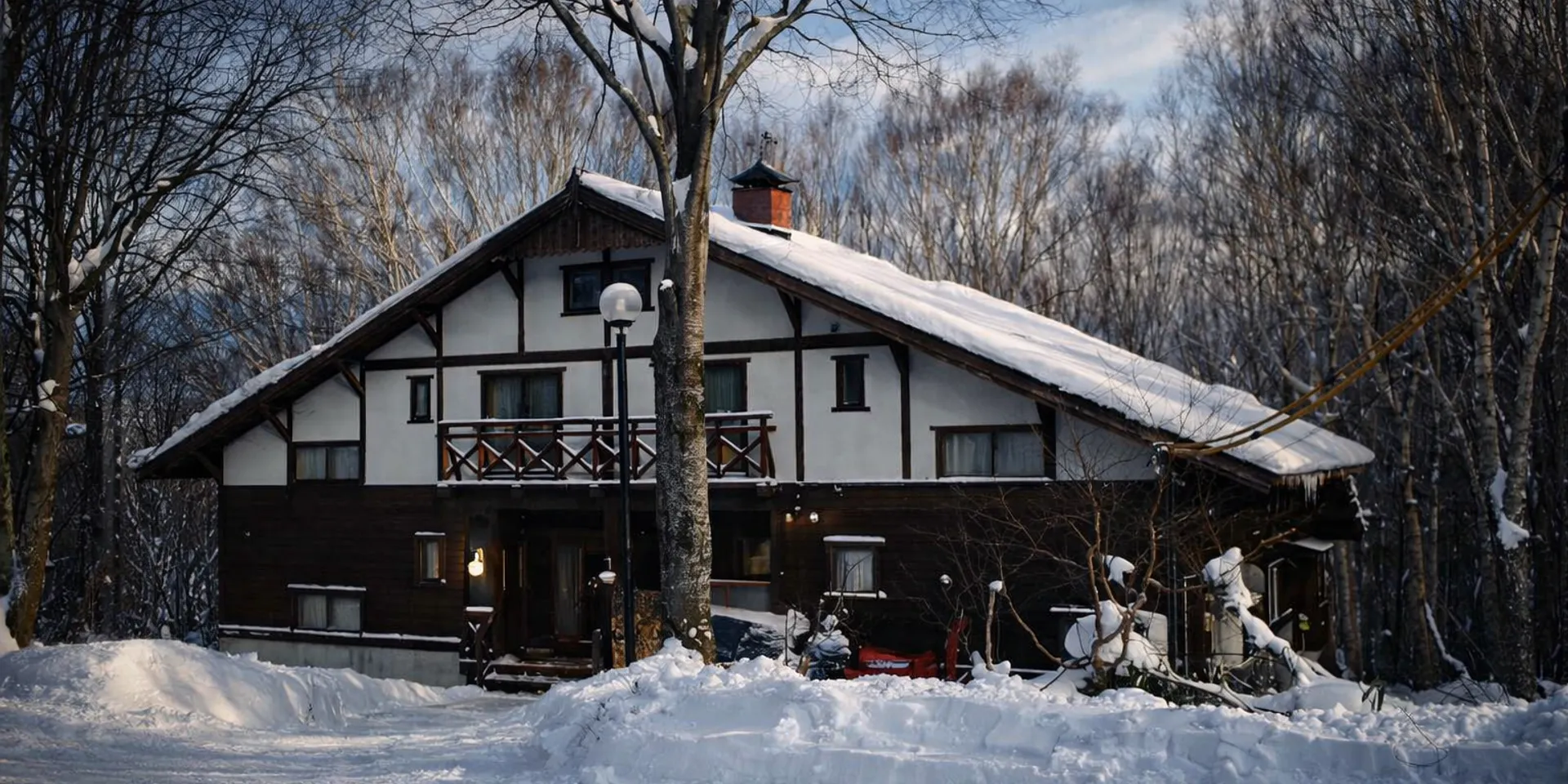
A pension in Japan is basically a small, owner-run lodge or guesthouse, usually in resort towns and mountain areas. If you’ve skied in Europe, think “chalet-style B&B”, just with a Japanese twist: tidy, practical, often family-run, and built for travellers who want a warm base and an easy routine.
For ski trips, pensions are one of the most underrated accommodation types in Japan. They’re rarely flashy, but they’re often in great locations, they’re good value, and they’re designed around the simple truth of winter travel: you want food, warmth, and a smooth morning launch.
What a Pension Stay Is Like
Pensions are typically small and personal. A handful of rooms, a communal dining area, and hosts who actually know what’s happening in town. Some are modern, some feel delightfully stuck in the 90s, and honestly that’s part of the charm.
Rooms are usually Western-style (beds, carpet, private or shared bathrooms depending on the place). Expect compact rooms, a calm vibe, and a very no-drama setup that’s perfect when your priority is skiing, not your room’s thread count.
Meals and the Pension Rhythm
In many ski towns, pensions run on the classic half-board model: breakfast and dinner included. This is a big reason they work so well.
Dinner is often hearty and filling. You’ll see a lot of set meals designed for cold-weather appetites: curry, stews, hot plates, pasta, soups, grilled mains, and whatever the hosts do best. Some pensions lean Japanese, some lean Western, some are a mash-up, and most hit the spot after a full day.
Breakfast is usually straightforward and practical: eggs, toast, coffee, maybe some fruit or yogurt. The key thing is timing. Breakfast tends to run early enough to get you on snow without doing calculus.
If you’re the type who wants total freedom every night, a room-only pension can be better. But if you want ski days to feel effortless, half-board is hard to beat.
Bathrooms, Onsens, and the “Do I Have to Share?” Question
Pensions vary. Some have private ensuite bathrooms. Others have shared bathrooms, or shared showers, sometimes with a small in-house bath.
If private bathrooms matter to you, check the listing for explicit wording like ensuite or private bathroom. If it’s unclear, confirm before you book.
One thing pensions do brilliantly is pairing with onsens. Many are close to public baths, or the hosts will point you to the best local soak. If you’re new to onsen etiquette, link out to your onsen guide and you’re covered.
Pension vs Ryokan vs Minshuku
Pensions usually feel more Western in layout and routine than ryokan or minshuku.
Ryokan is the traditional inn experience, often more formal, often more expensive, and sometimes tied to set meal times and bath culture.
Minshuku is the local, family-run guesthouse lane: simple, homey, and great value, often with Japanese-style meals.
Pension sits in the ski-lodge sweet spot: it’s comfortable, familiar, and built for travellers who want a smooth ski routine with minimal fuss.
Why Pensions Are Great for Ski Trips
Pensions are made for ski weeks. They’re often close to lifts, shuttle routes, or village centres. They usually have some form of gear space, drying area, or at least a practical entrance setup that understands snow-covered humans will arrive daily.
They’re also great if you’re travelling with a couple of people and want something more private than a hostel but cheaper than big hotels. And if you like the idea of chatting with hosts who can tell you what’s open, where to eat, or how the snow’s been riding, pensions are prime.
How to Book Without Regret
Two quick checks make pensions painless.
First, confirm the meal setup: half-board, breakfast-only, or room-only. It changes the whole vibe of your stay.
Second, confirm the transport reality: walk to lifts, shuttle access, or you’ll need a car. A pension can be perfect, but only if it matches how you want to move each day.
Quick FAQs
Are pensions common in Japan ski towns?
Yes. You’ll see them everywhere in popular ski areas, especially in places that grew around winter tourism.
Do pensions include meals?
Often, yes. Half-board is common, but not universal.
Are pensions good for families?
Yes, especially if you want a quieter base and easy meal logistics. Just check room sizes and bathroom setup.
Are pensions social like hostels?
Sometimes. Many are friendly, but they’re usually quieter and more private than hostels. Think “chat at dinner if you feel like it”, not “party kitchen”.
Related Stays
- Ski hotels: The comfort upgrade when you want fewer moving parts: bigger facilities, more services, and easy access to baths and meals.
- Minshuku: The local, home-cooked option that can feel more personal than a lodge, without the formality of a ryokan.
- Ryokan: Go this way when you want tradition turned up and the stay itself to feel like part of the destination.
- Capsule hotels: A smart staging-night choice when your trip starts with a late flight or an early bus mission.
- Snow glamping: For travellers who want a winter cabin vibe and don’t mind trading some lift convenience for atmosphere.