

What Is a Minshuku in Japan?
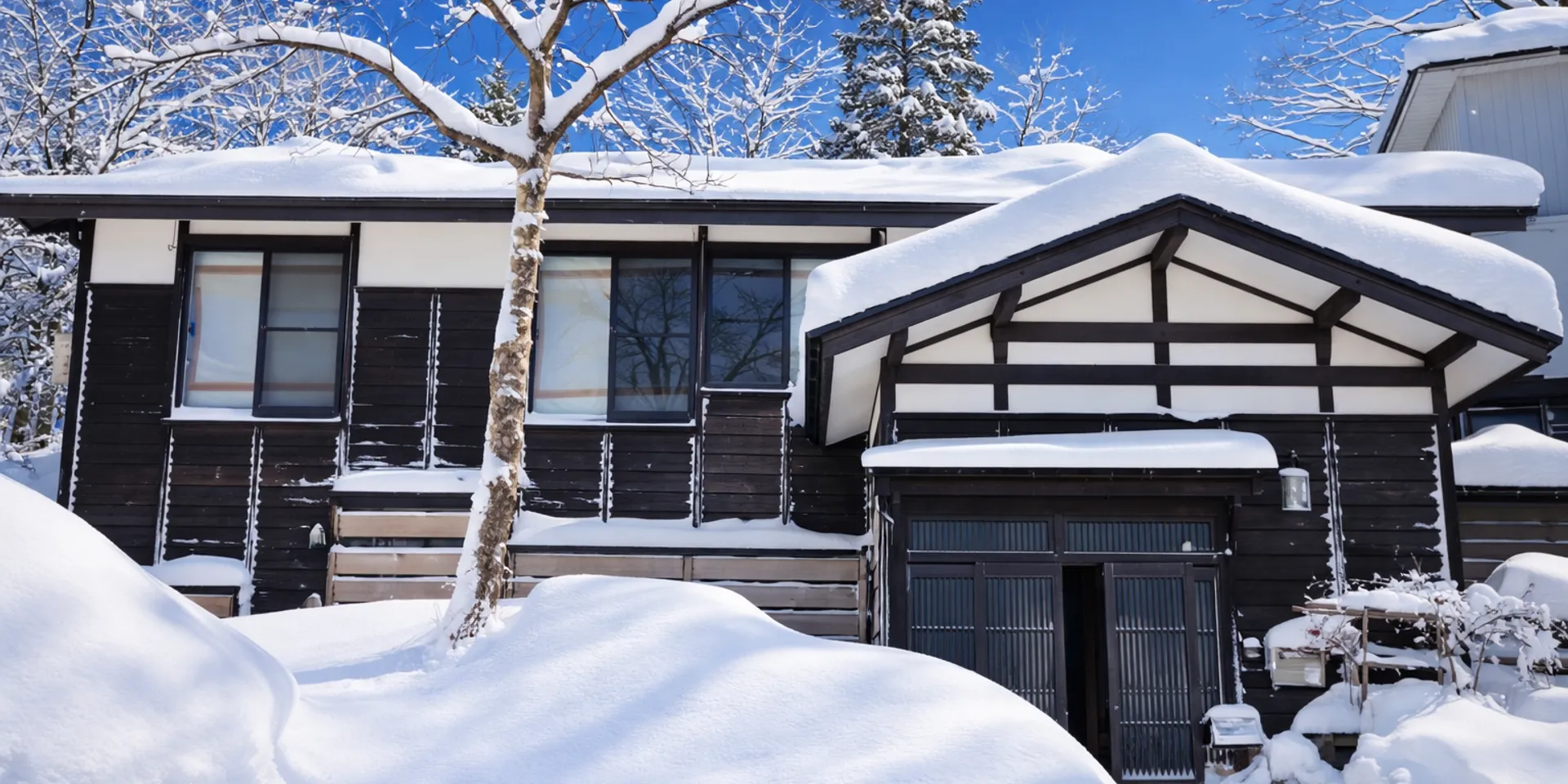
A minshuku is Japan’s classic family-run guesthouse. If a ryokan is the full traditional experience with the polished edges, a minshuku is the more down-to-earth cousin: simpler, warmer, often better value, and usually run by someone who’s been doing this forever.
For ski trips, minshuku can be a straight-up weapon. You get a cozy base, local hospitality, and a stay that feels properly Japanese… without paying for the fancy bits you don’t care about when you’re just here to chase snow.
What a Minshuku Stay Is Like
Minshuku are typically small. Think a handful of rooms, a shared lounge or dining area, and hosts who actually notice if you’re the one coming back covered in snow and grinning like an idiot.
Rooms are often tatami-style with futons, but you’ll also find a mix of Western-style rooms depending on the place. Don’t expect big hotel space. Do expect a clean, calm room that does the job.
The vibe is usually friendly and lightly rules-based: shoes off, slippers on, keep it quiet late, be respectful in shared areas. You’re staying in someone’s place, not an anonymous building.
Meals Are Usually the Main Event
This is where minshuku punch above their weight.
A lot of minshuku offer half board: breakfast and dinner included. Dinner is usually home-cooked Japanese comfort food rather than formal kaiseki. You might get hot pot, grilled fish, hearty set meals, local veg, pickles, miso soup, rice, and something warm that hits perfectly after a cold day.
Breakfast is typically a simple Japanese set that’s designed to fuel you up for first lifts. Some places do a Western-ish option, but don’t assume it unless it’s listed.
The only catch: if dinner is included, it often runs on a set time. If you’re the type to roll in late because you found a new side-hit at 3:55pm, make sure the meal timing works for you.
Bathrooms and the Shared Setup
This is the bit that trips people up, so it’s worth being blunt.
Many minshuku have shared bathrooms. Sometimes that means shared toilets. Sometimes it means you bathe in a shared bath or onsen-style setup. Sometimes it’s private. There’s no universal rule because minshuku vary a lot.
If private bathrooms matter to you, don’t interpret “traditional room” as “ensuite”. Look for clear wording like private bathroom or ensuite. If the listing is vague, message and confirm before you book.
Shared doesn’t mean grim. It usually means the place is traditional and practical, and the hosts keep it spotless because it’s their pride and joy.
Minshuku vs Ryokan vs Pension
Minshuku sits in a sweet middle lane.
Ryokan is the full traditional package, often with more formality and sometimes higher prices.
Minshuku is more casual and homey, with great value and meals that feel like someone’s feeding you properly, not just ticking a hospitality box.
Pensions often feel more Western in style, sometimes more social, sometimes with simple set meals, and they’re common in ski towns that grew around tourism.
If you want the most “local” feeling stay without spending big, minshuku is usually the move.
Why Minshuku Are Brilliant for Ski Trips
Minshuku are built for the ski rhythm. Wake up, eat, ski, come home, eat, sleep, repeat. They’re especially good if you’re travelling with one or two people and you want a cozy base without overthinking it.
They also tend to be in the places you actually want to stay: near lifts, near bus stops, or tucked into the village where it feels like you’re in a proper snow town, not just orbiting a resort car park.
How to Book Without Regret
Two quick habits save you pain:
First, confirm the bathroom setup and whether dinner is included, because those two details shape your whole stay.
Second, check the check-in time and dinner cut-off if meals are included. Minshuku are often family-run and they’re not always set up for 10pm arrivals unless you’ve confirmed it in advance.
Quick FAQs
Is a minshuku basically a ryokan?
Not quite. It’s similar in that it’s traditional and often tatami/futon, but minshuku are simpler and more casual, usually with less formality and better value.
Do minshuku usually include meals?
Often, yes. Half-board setups are common, especially in ski towns. Always check, because some are room-only.
Are bathrooms shared?
Sometimes. It varies a lot. If you care about privacy, confirm it before booking.
Are minshuku good for foreigners?
Yes. Plenty are used to ski travellers and international guests, but they can be quieter and more rules-oriented than a hostel, so it helps to be comfortable with the basics of shared spaces and house etiquette.
Related Stays
- Ryokan: The more polished traditional inn experience when you want the full tatami, futon, and hosted-stay vibe.
- Pensions: A ski-town classic that’s easy, friendly, and often the best value if you like breakfast and dinner sorted.
- Ski hotels: The smoothest option for families and first-timers who want everything to just work, from gear storage to shuttles.
- Capsule hotels: Perfect for a single night between airport and snow, especially if you’re travelling light or forwarding gear.
- Snow glamping: A two-night detour that upgrades your trip story, even if the ski plan stays the same.