

Ski hotels in Japan
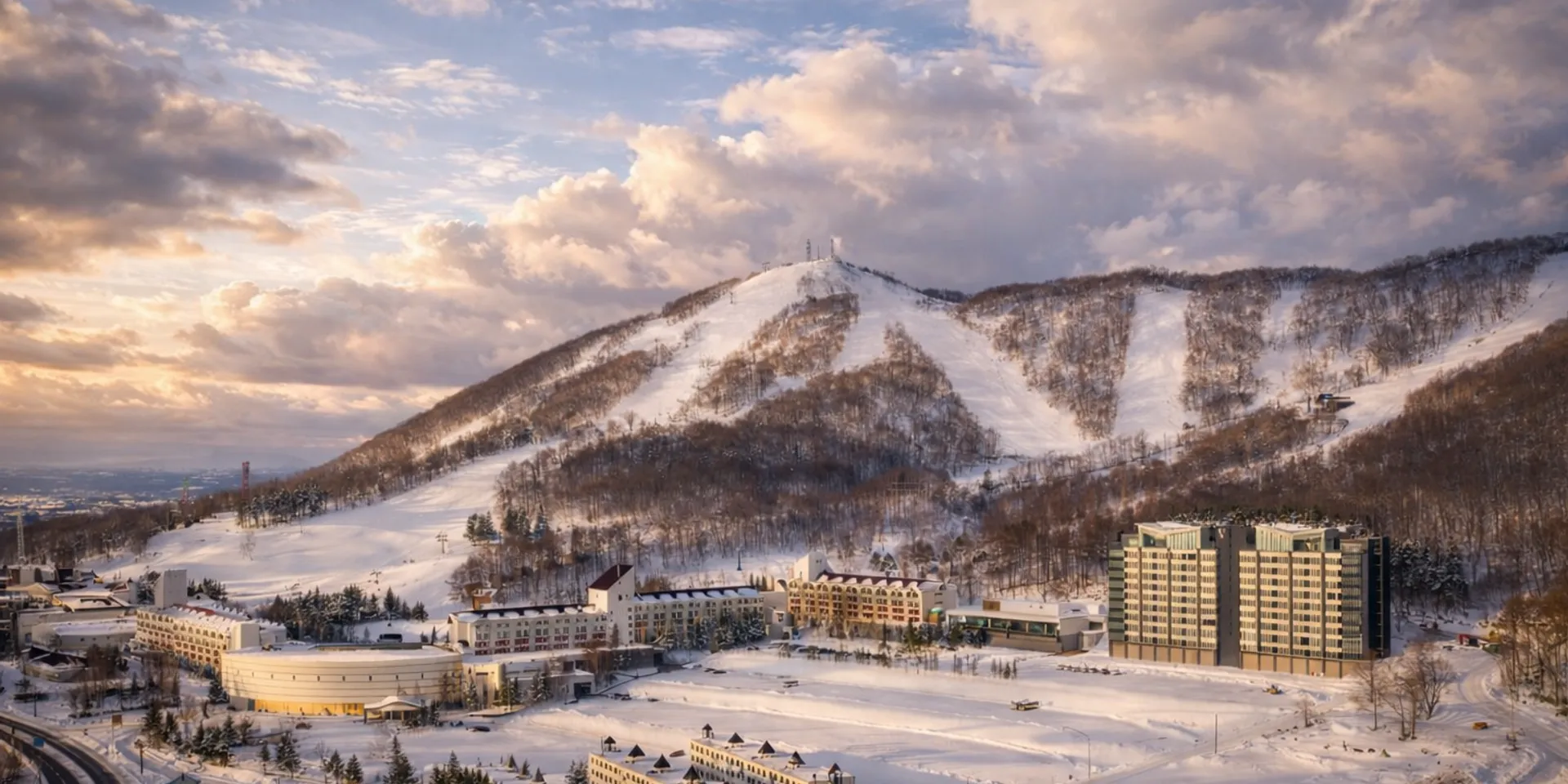
Ski hotels in Japan are the no-fuss, comfort-first option for when you want your trip to run on rails: wake up warm, eat a ridiculous breakfast, stash your gear in a proper locker room, ski, soak, repeat.
They’re also the perfect antidote to travel-day chaos. When you roll in late, slightly dusted, and running on convenience-store energy, a good ski hotel is the difference between “where do we even put our skis” and “sweet, there’s a boot dryer and a bath”.
What is a ski hotel in Japan?
In Japan, a ski hotel usually means a hotel that’s set up specifically for winter guests. Not just “near a resort”, but built around the daily ski rhythm, with the stuff that makes ski life easy: ski lockers, drying rooms, shuttles, early breakfasts, and often an onsen-style bath or big public bath to finish the day properly.
You’ll find them in major ski bases like Niseko, Hakuba Valley, and other big resort hubs, plus in onsen towns that happen to sit right next to the snow.
What a stay feels like
A Japan ski hotel stay has a very specific flow, and it’s kind of the point.
Mornings are early and efficient. You’ll usually get breakfast from early hours, then you’re into the gear room where everything is set up for wet gloves and snow-covered humans. Many hotels make it easy to grab rentals, sort lift tickets, or at least point you in the right direction without you doing admin at 7:30am.
Afternoons are the reverse. You come back, drop gear, dry everything, and then the hotel becomes a warm little recovery zone: bath, dinner, lounge, sleep. It’s not trying to be an adventure. It’s trying to be easy. That’s the charm.
Baths and onsen culture
A lot of Japan ski hotels come with a big communal bath or onsen-style setup, which is basically the best possible finish to a cold day. If you’ve never done it before, it’s not complicated, but there are a few etiquette rules, so link out to your onsen guide and you’re covered.
Meals
Ski hotels often lean hard into food, and this is where they can feel very Japan.
Breakfast is frequently a proper spread, not just cereal and sadness. Dinner might be buffet, set menu, or half-board. The practical thing to know is timing: some hotels run dinner in set windows, and if you’re the “one more run” type, you’ll want to check how strict the cut-off is.
If you have dietary needs, many ski hotels can handle it, but you’ll usually get better results by messaging ahead rather than trying to freestyle it at check-in.
Gear, storage, and ski luggage
This is where ski hotels separate themselves from normal hotels.
Many have dedicated ski lockers, boot dryers, drying rooms, and gear-friendly entry areas that assume you’re turning up with snow everywhere and a bag that’s shaped like a small boat.
Ski luggage handling varies by property and by town. In big cities, long ski bags can be awkward. In ski bases, hotels are much more likely to have proper storage. If you’re doing travel-night stays and don’t want to wrestle a ski bag through stations, luggage forwarding is the cheat code, but keep it as a quick option and link to your luggage-forwarding guide.
Types of ski hotels you’ll see
Base-area resort hotels are the most convenient: walk out, ski, come back, done. They can cost more, but they save time and friction.
Village ski hotels sit in the town centre and rely on shuttles or short walks. They’re great if you want restaurants and a bit of life at night, or you don’t care about being first on the lift every morning.
Onsen-area ski hotels lean into the bath culture and the slower vibe. Perfect if you want skiing plus relaxation, less perfect if you’re trying to maximise first chair every single day.
Who ski hotels suit best
Ski hotels are ideal for first-timers to Japan ski travel, families, and anyone who wants the trip to be smooth without having to think too hard. They’re also great when you’re doing a shorter trip and don’t want to waste time on logistics.
If you want the most traditional Japan stay, ryokan or minshuku will feel more local. If you want a ski-lodge vibe and great value, pensions are strong. But if you want convenience, comfort, and systems that work, ski hotels are hard to beat.
What to check before you book
- Walk-to-lift vs shuttle reality: the listing might say close, but your legs will have opinions in ski boots.
- Ski storage and drying: lockers and boot dryers are a quality-of-life multiplier.
- Bath setup: onsen, public bath, private bath options, and any tattoo policy if that matters for your group.
- Meal plan and timing: breakfast start time and dinner cut-offs, especially if half-board is included.
- Room size: ski gear eats space fast, so small rooms can feel cramped with two people and two sets of gear.
- Laundry: for longer trips, coin laundry can be the difference between “fresh base layers” and “please stand downwind”.
Quick FAQs
Are ski hotels in Japan ski-in ski-out?
Some are, especially in major resort bases, but many are shuttle-based or a short walk away. The best move is to confirm the lift access, not just the town.
Do ski hotels usually have onsens?
Many have a communal bath or onsen-style bath, but not all. If bathing is a big part of your trip vibe, check the facilities list before booking.
Do ski hotels store skis and snowboards?
Most ski-area hotels do, and many have proper lockers and drying rooms. City hotels are more hit-and-miss with long gear, so plan accordingly.
Are ski hotels better than a ryokan for a ski trip?
If your priority is convenience and ski-first logistics, often yes. If your priority is traditional atmosphere and hosted experience, ryokan can be unbeatable.
Related Stays
- Ryokan: When you want the traditional stay experience and don’t mind a bit more routine around meals and bathing.
- Minshuku: The cozy guesthouse lane with home-cooked meals and local hosts, often excellent value in ski villages.
- Pensions : Lodge-style stays that suit ski weeks perfectly, especially if you like half-board simplicity.
- Capsule hotels : The cheapest, easiest one-night solution for late arrivals, early departures, and transit days.
- Snow glamping: For a couple of nights where the accommodation is the highlight and the winter scenery does the flex.