

福島県
Fukushima

Where is it snowing in Fukushima ?
Compare live snowfall and the next 48 hours across 13 resorts in Fukushima.
Pow-chaser’s playbook to Bandai–Aizu & beyond
Fukushima flies under the mainstream radar, which is exactly why it belongs on your Japow hit list. Park yourself around Mt Bandai and the Aizu basin and you’ve got a cluster of legit resorts with cold inland snow, views across Lake Inawashiro, mellow crowds, and road-trip-friendly spacing. The headliners, Nekoma Mountain (Alts Bandai + Nekoma) and Grandeco, hold quality through spring thanks to elevation and aspect, while places like Inawashiro, Minowa, and the Aizu Kogen hills (Takatsue, Daikura, Nango) round out an easy week of storm chasing.
All Fukushima Reviews
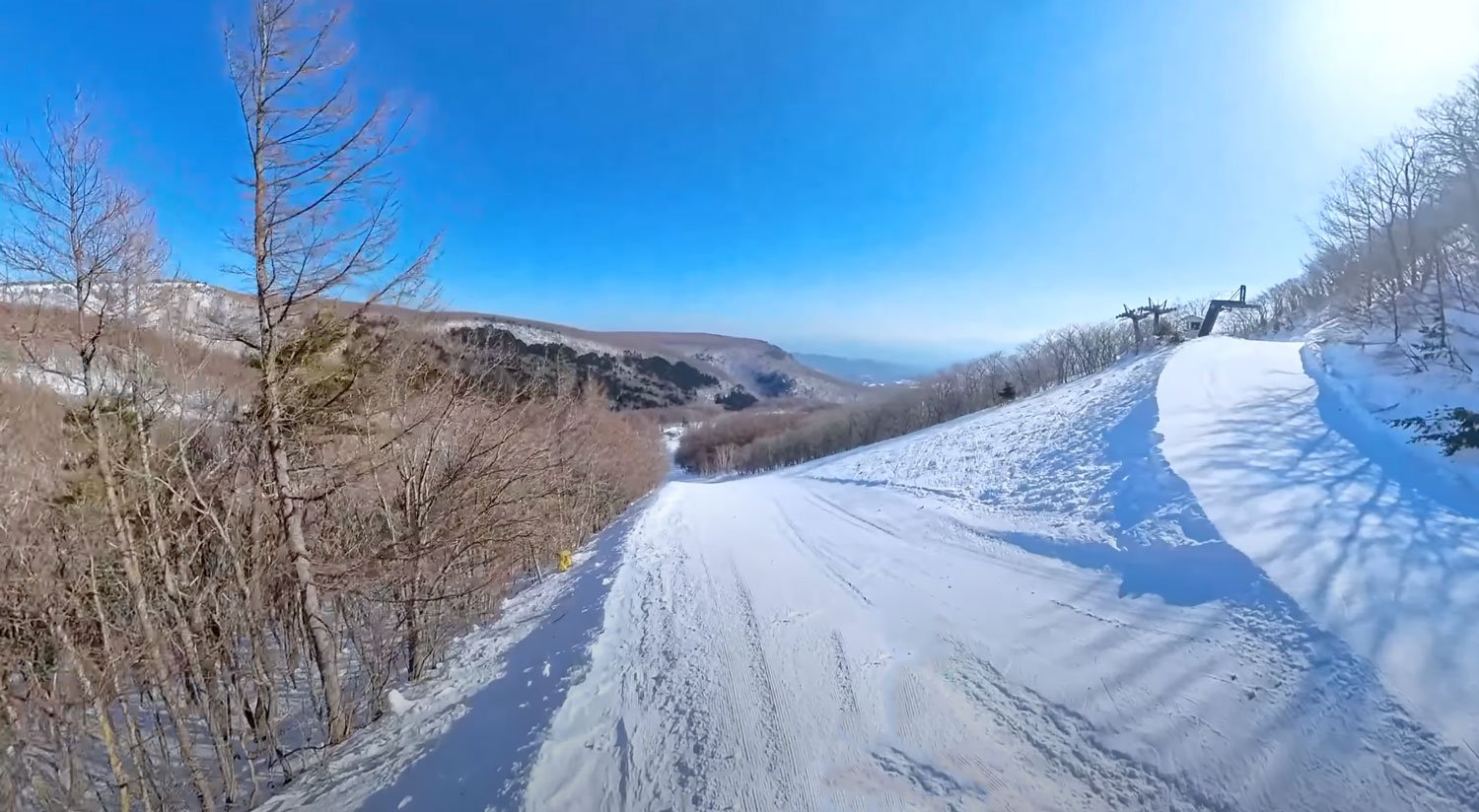
Adatara Kogen
Onsen Views, Local Vibes, and Easy-Carve Groomers
8.0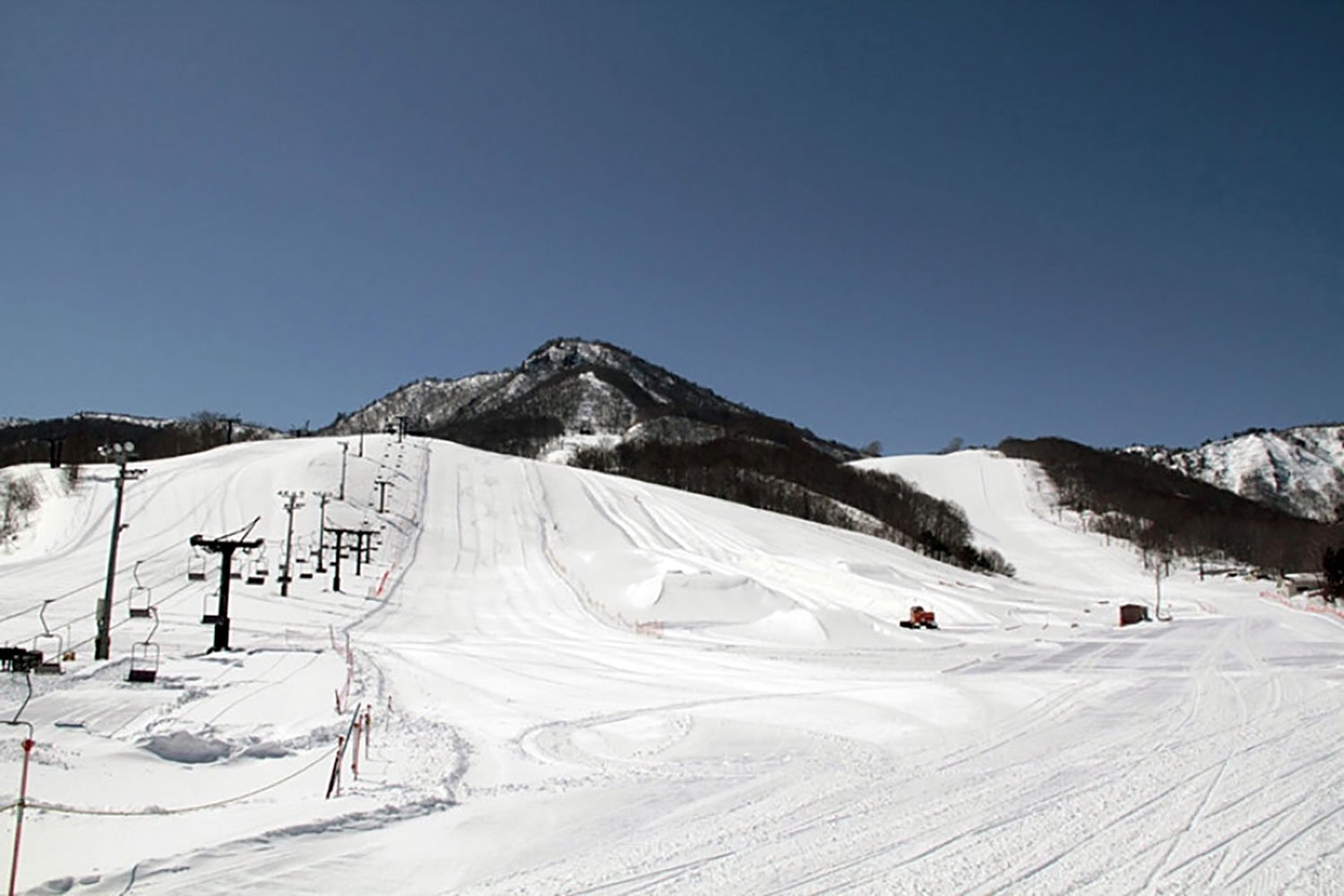
Aizu Kogen Daikura
Carve-first Aizu vibes, soft storms, zero fuss
8.3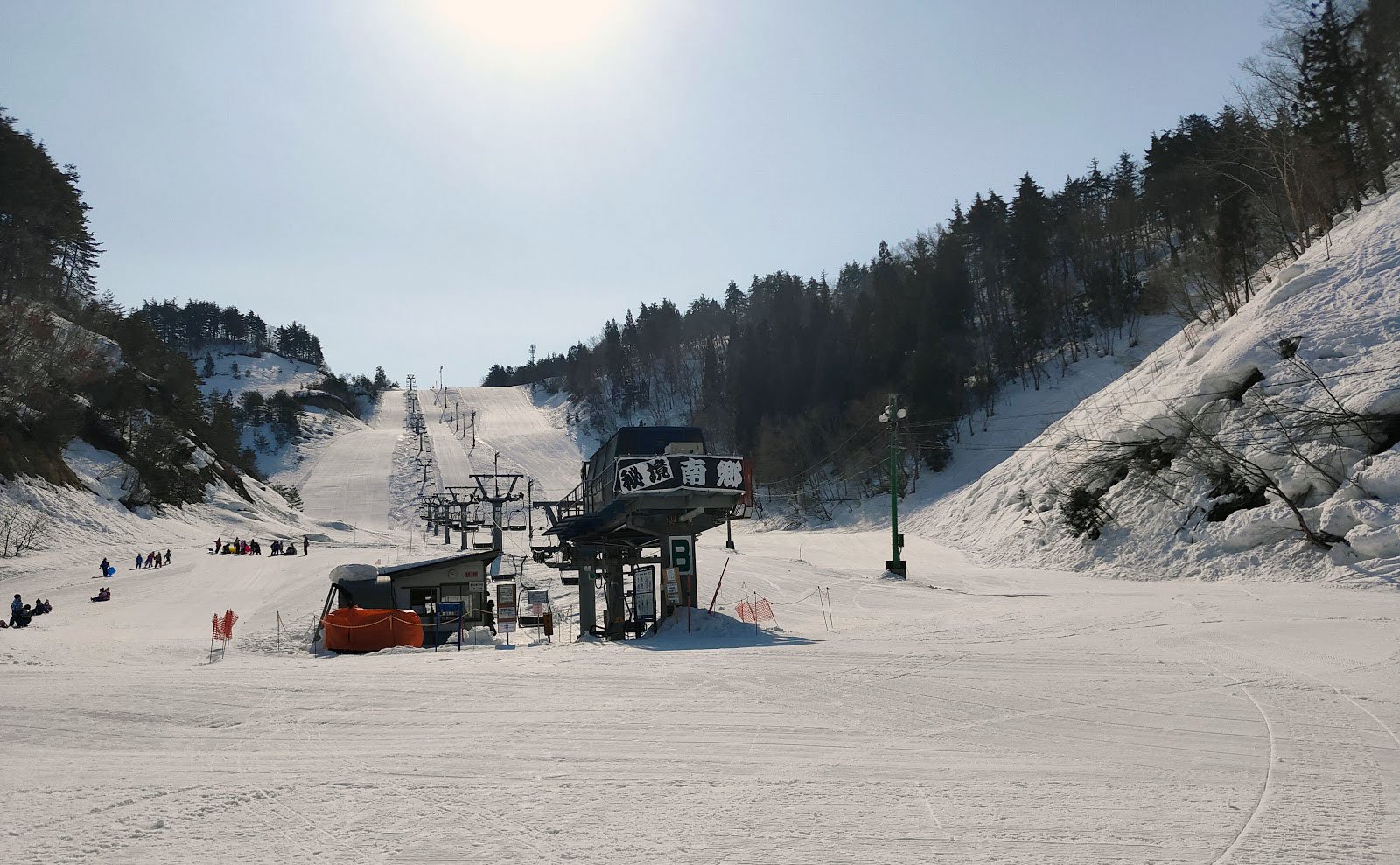
Aizu Kogen Nango
Fall-line flow, soft storms, small-hill stoke
8.3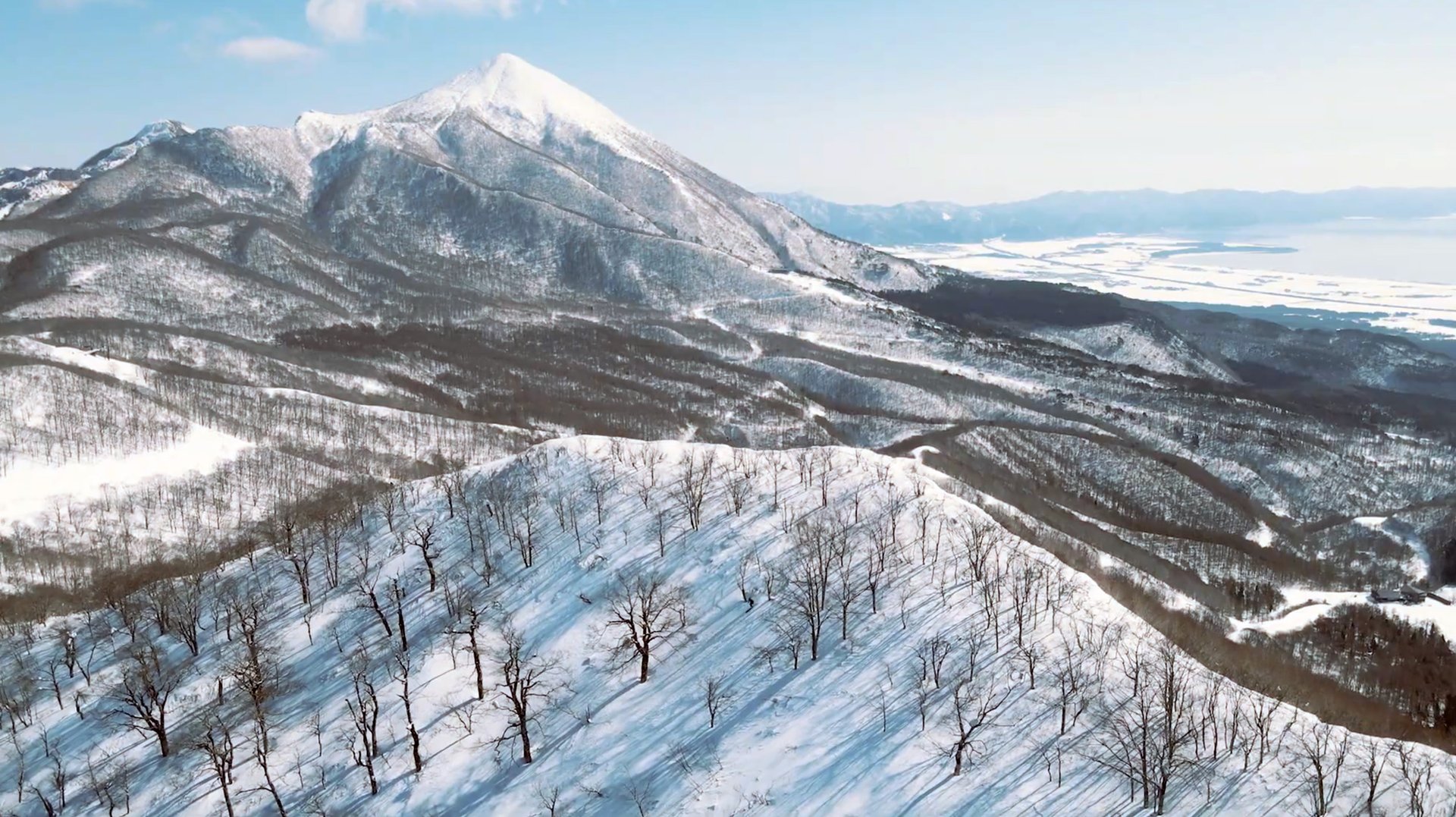
Aizu Kogen Takatsue
High, Cold, Quiet: Aizu’s big vertical with a low-key soul
8.3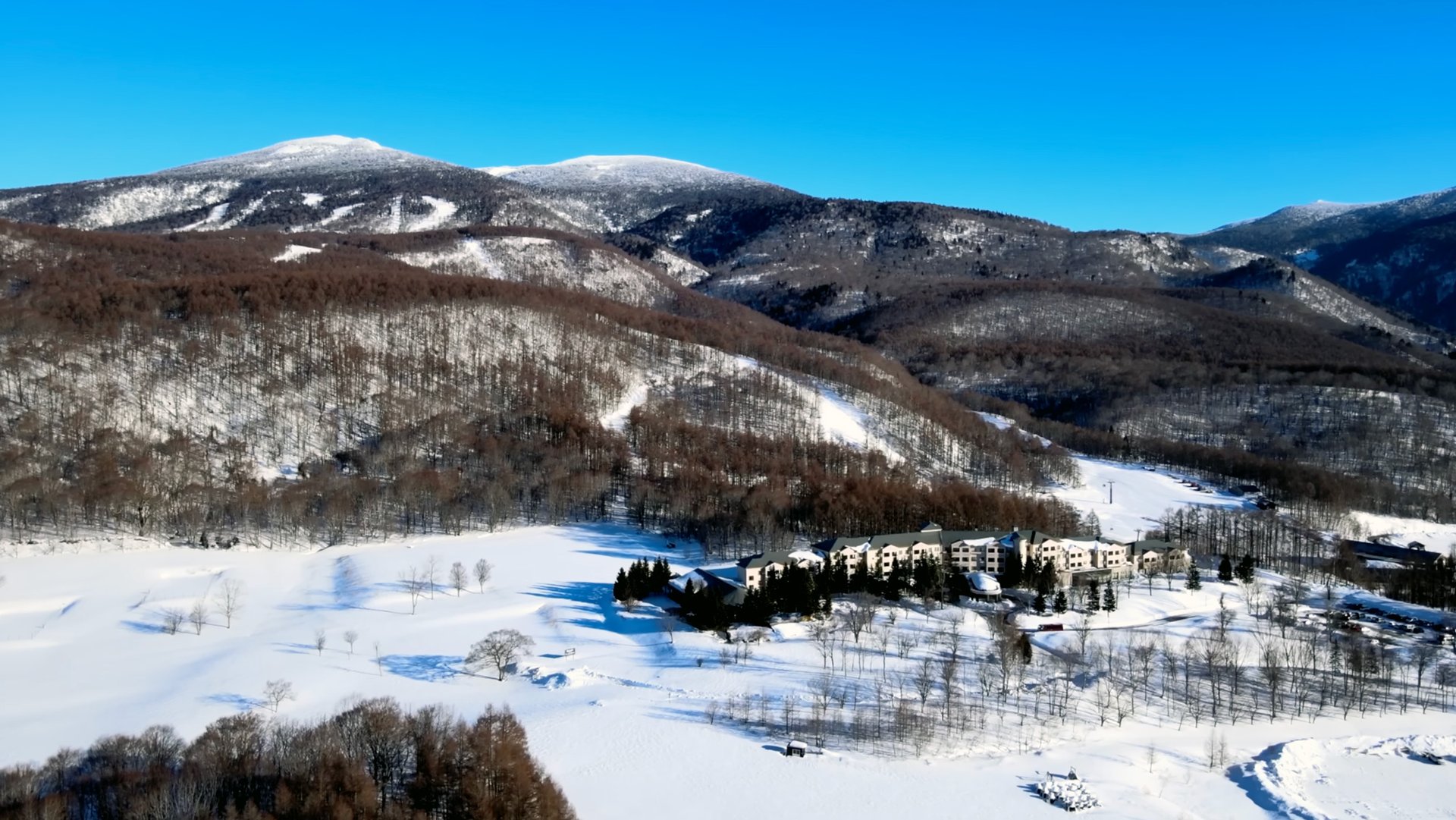
Grandeco
High, Cold, and Consistently Good
8.5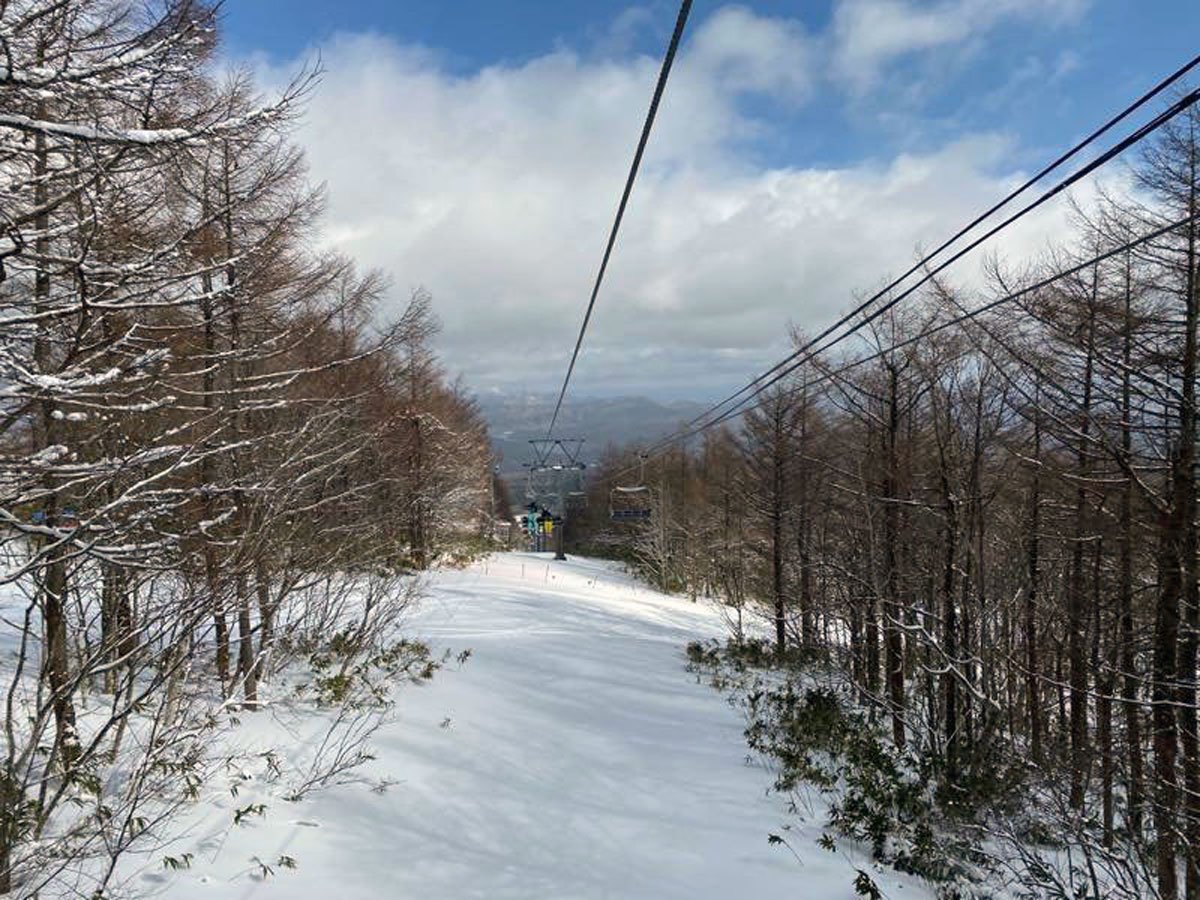
Grandee Hatoriko
Carve-first calm with Kanto-friendly convenience
7.9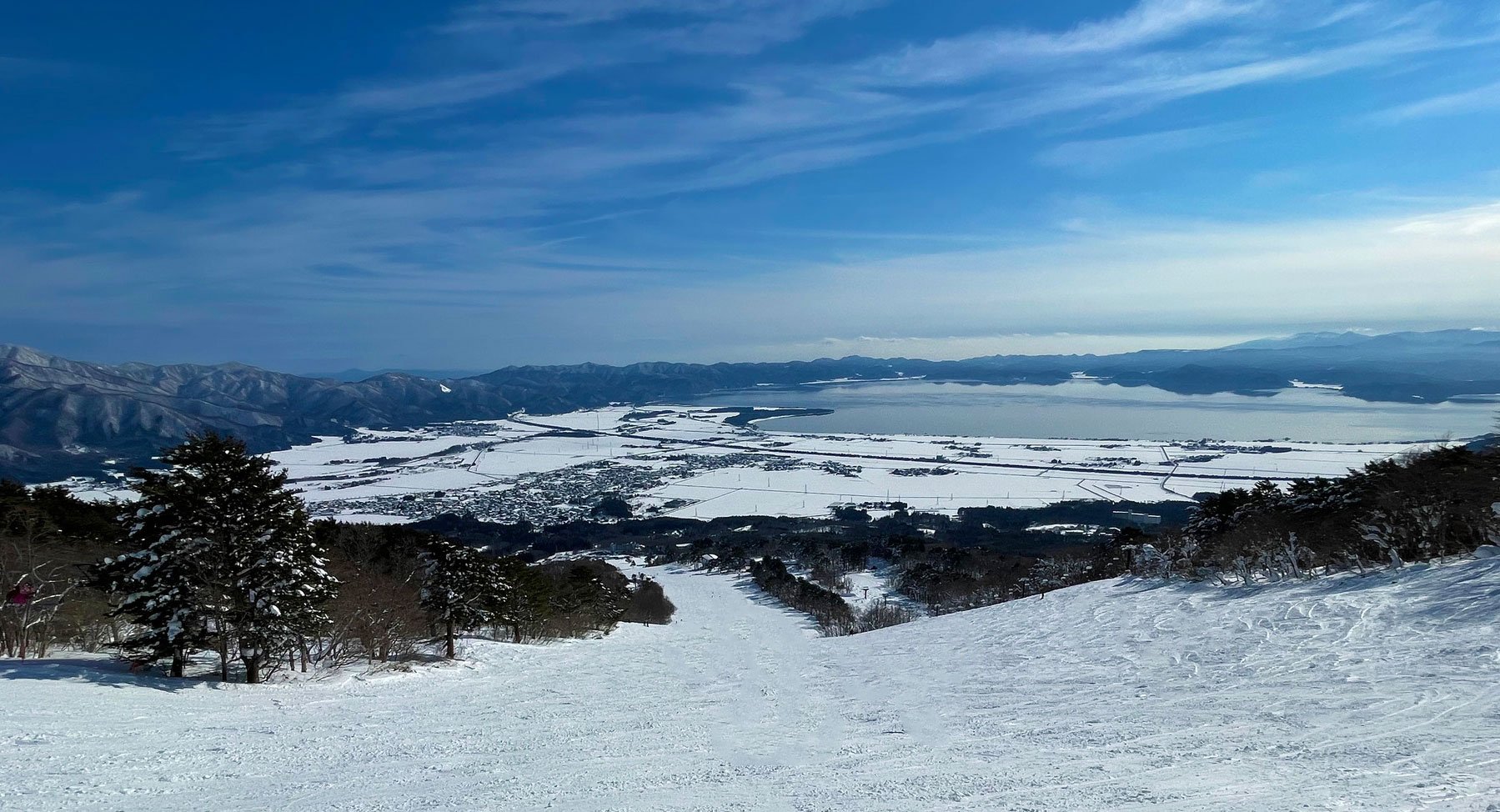
Inawashiro
Lake Views, Long Nights, and Quiet Pow Pockets
8.3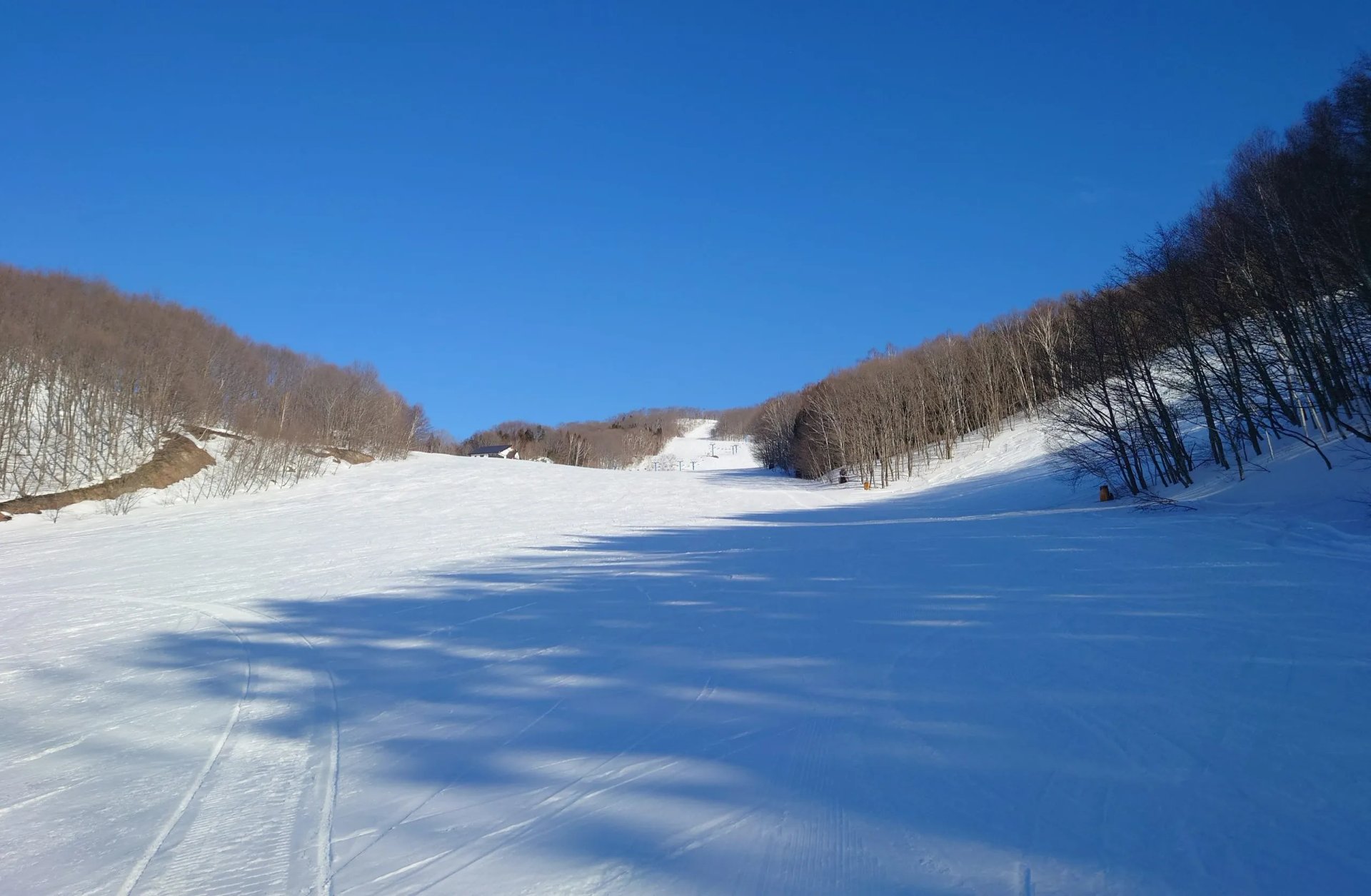
Kita Nikko Takahata
Steep groomers, cold storms, local soul
8.4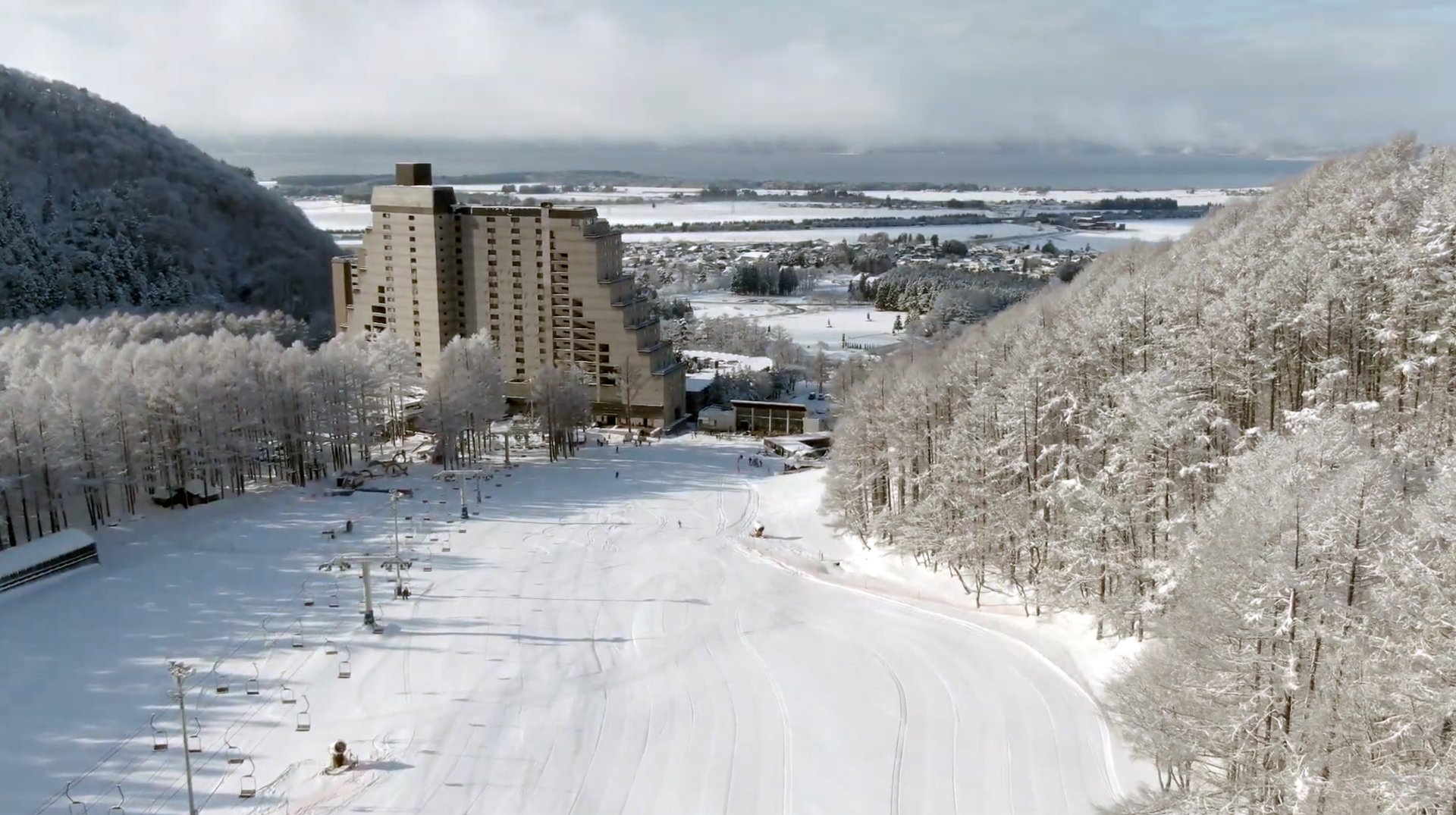
Listel Ski Fantasia
Moguls, corduroy, and lake views
8.3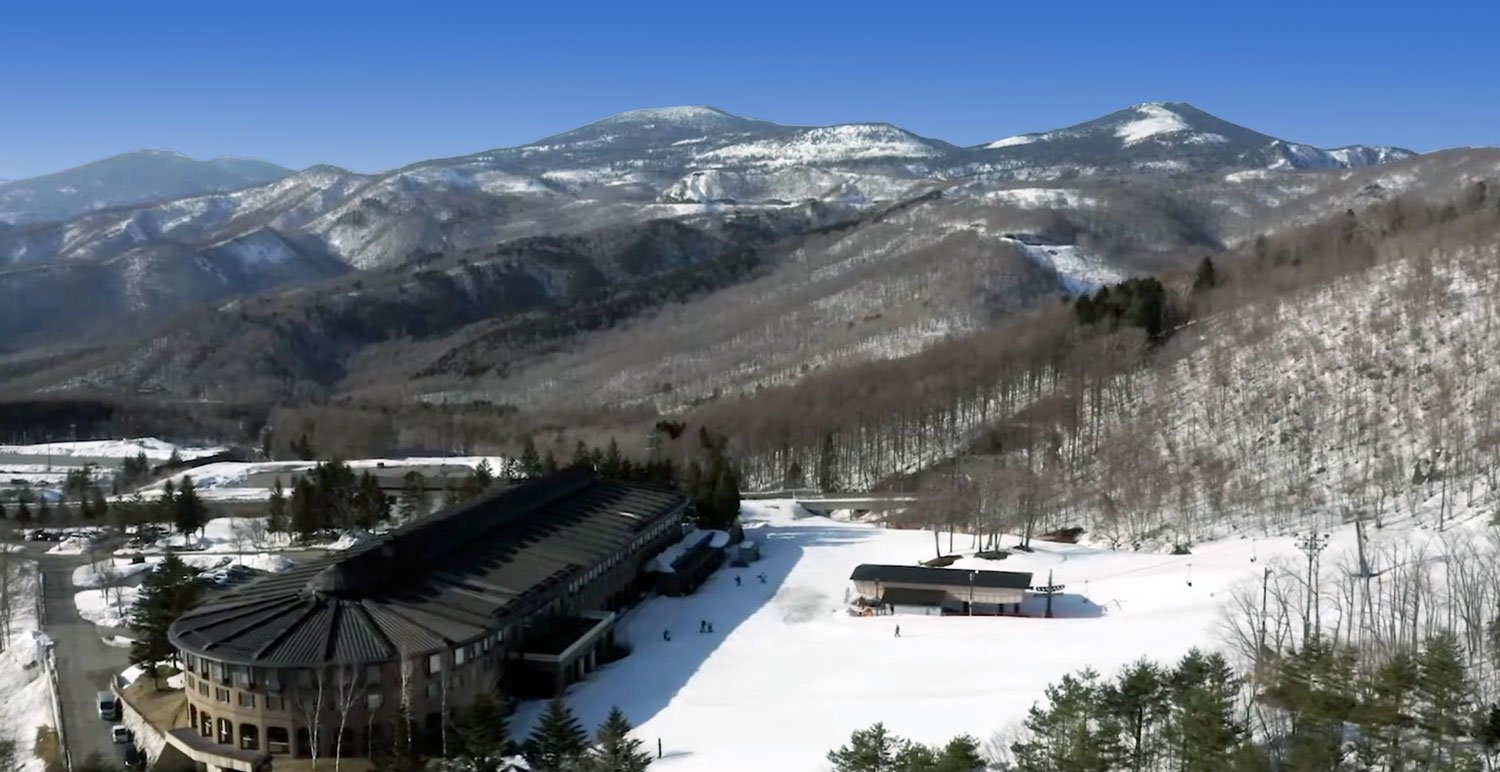
Minowa
High-Base Powder Pockets With a Quiet Soul
8.5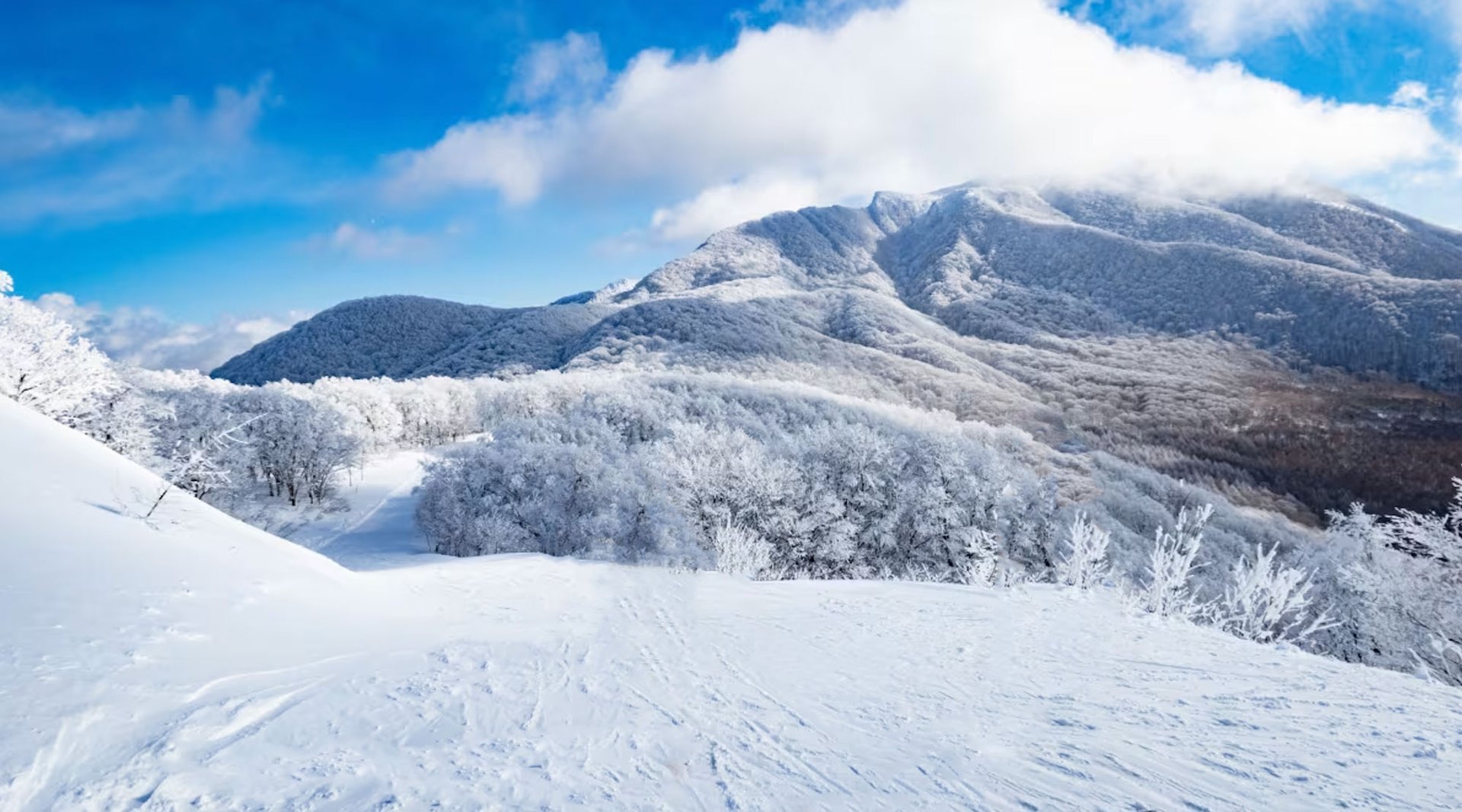
Nekoma Mountain
Two Faces, One Powder Playground
8.3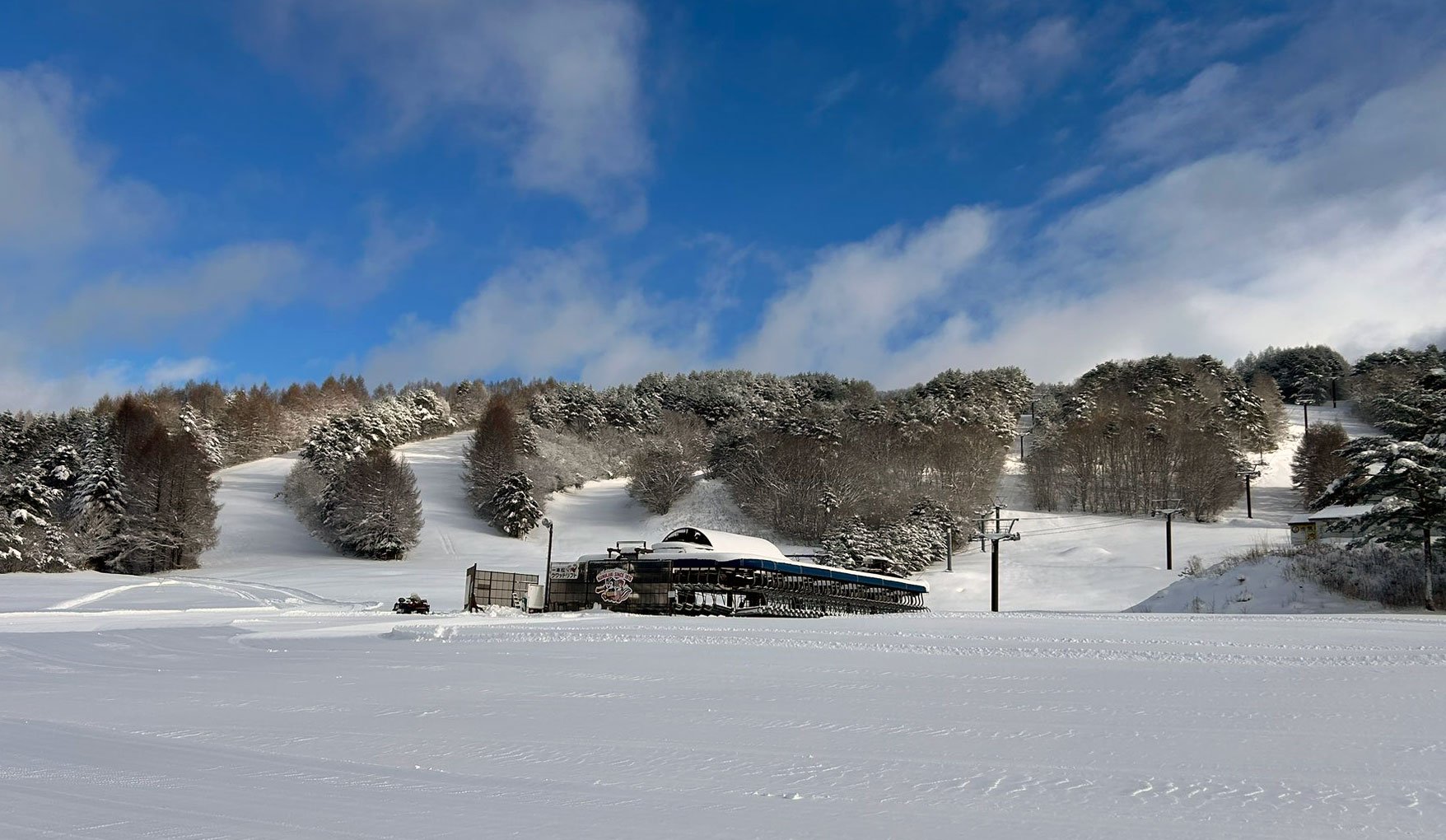
Numajiri
Old-School Stoke, Onsen Steam, and Soft Turns in Aizu
8.1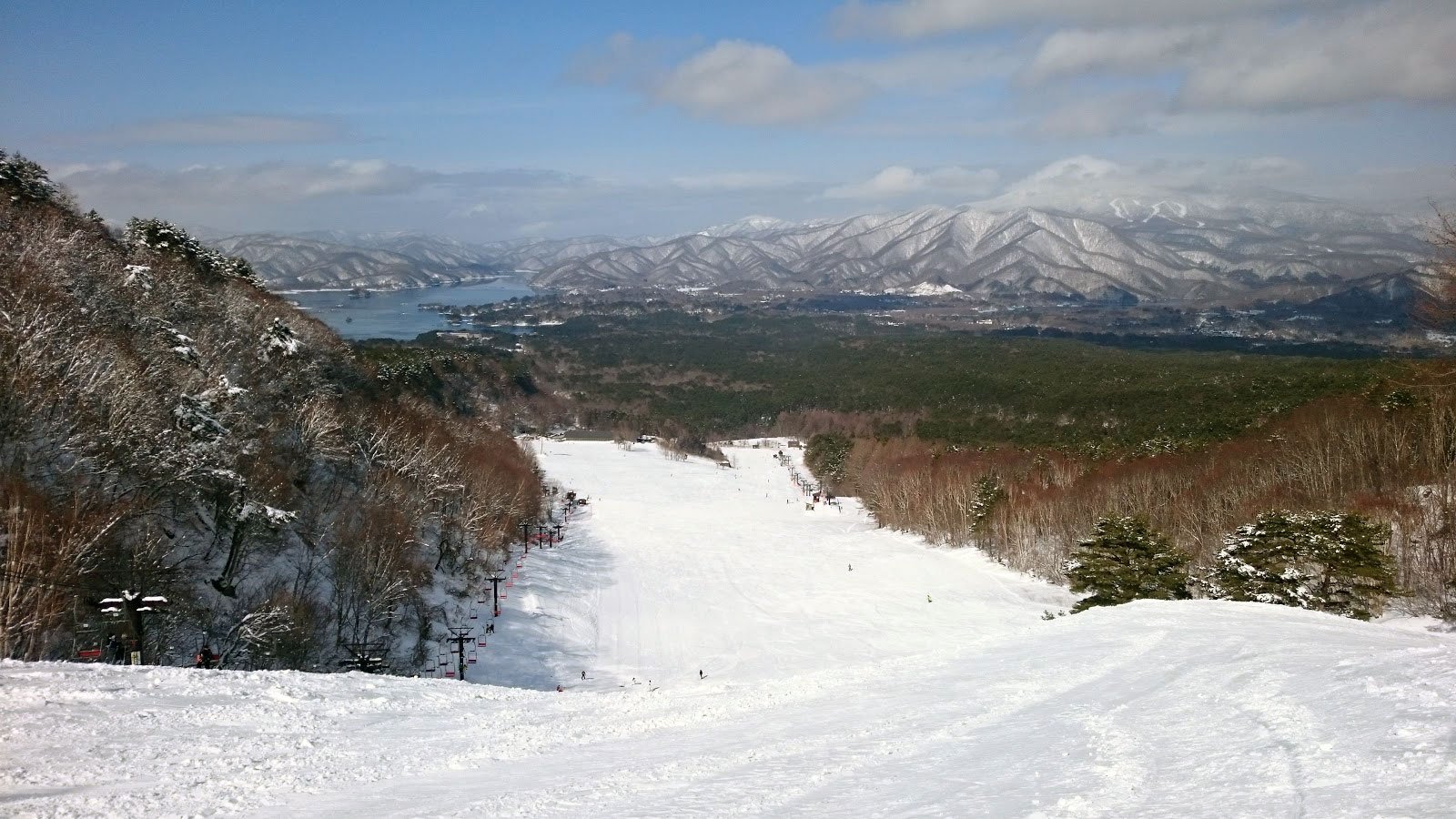
Urabandai
Lake views, mellow lines, easy stoke
8.2
Choose your Fukushima lane
Use the categories below to find the resort vibe that fits your crew, from storm-day trees to night turns with the kids, and everything in between.
Top Resorts by Snowfall
Storm-day refills and soft turns that keep showing up.
Uncrowded Resorts
More fresh tracks, less queue meditation.
Top Resorts by Ability
Find terrain that matches your confidence level, not your ego.
BeginnerBeginnerBeginnerIntermediateIntermediateIntermediateAdvancedAdvancedAdvancedTree Skiing
Visibility-saving glades and sneaky stashes off the sides.
Big Mountain Vertical
Longer top-to-bottoms for proper leg-burn days.
Family Friendly
Low-stress slopes, easy rentals, and warm-up spots close by.
Night Skiing
After-dark cruising with a bonus chance of a quiet top-up.
Best Value Resorts
Strong terrain-to-yen ratio with fewer tourist markups.
Powder Hunter’s Choice
The best all-round mix of snow, terrain, and low-key energy.
Getting There
- Tokyo → Koriyama by Tohoku Shinkansen, then transfer for Aizu/Bandai access (easy, reliable).
- Tokyo → Aizu-Wakamatsu in under ~3 hours via shinkansen + local line connections.
- Koriyama is your main junction for heading toward Inawashiro, Urabandai, and the Aizu side.
- Winter shuttles exist in some areas, but a car makes the whole prefecture click (storm chasing, onsen hops, food missions).
When to Go
- Mid-January to late February is the sweet spot for consistent snow and colder temps.
- December can be great for early-season turns, especially if storms arrive on schedule.
- March brings longer days and a mix of soft snow, fresh top-ups, and spring-friendly cruising.
- Storm days are where Fukushima shines: trees and sheltered terrain keep you skiing when visibility gets spicy.
Money & Logistics
- Fukushima is generally better value than the big-name mega hubs, especially for lift tickets, rentals, and food on-mountain.
- If you’re basing near Bandai, look for resorts with shuttles between key areas to keep things flexible without driving every day.
- Cash still helps for smaller cafeterias, parking, and local spots, even though cards are getting better.
- Build in onsen time like it’s part of the itinerary, not a bonus round.
- Pack for changeable weather: goggles for flat light, and a layer setup that works from sub-zero mornings to sunny afternoons.
Language & Etiquette
- A little goes a long way: sumimasen, arigato gozaimasu, onegaishimasu.
- Respect closures and boundary signs. Fukushima has plenty of terrain, no need to get clever in the wrong place.
- Onsen basics: wash first, keep the towel out of the water, and keep voices low.
- Queues are calm here. Match the vibe: tidy gear, no cutting, no chaos.
Nearby Adventures
- Goshiki-numa (Five Colored Ponds) in Urabandai: unreal winter scenery shaped by Mt. Bandai’s 1888 eruption.
- Ouchi-juku: preserved Edo-era post town, famous for the old streetscape and negi-soba.
- Aizu-Wakamatsu: samurai-era history, castle-town feels, and easy access to hot-spring nights.
- Lake Inawashiro views: clear-day photo missions that make your non-ski mates jealous.